
Today, June 11, more than 1.2 million candidates nationwide took the Math exam - the compulsory subject of this year's exam. Lao Dong reporter had an interview with Assoc. Prof. Dr. Do Lan - lecturer at Thuy Loi University about this year's Math exam.
How do you assess the structure and level of differentiation of this year's exam, Assoc. Prof. Dr. Do Lan?
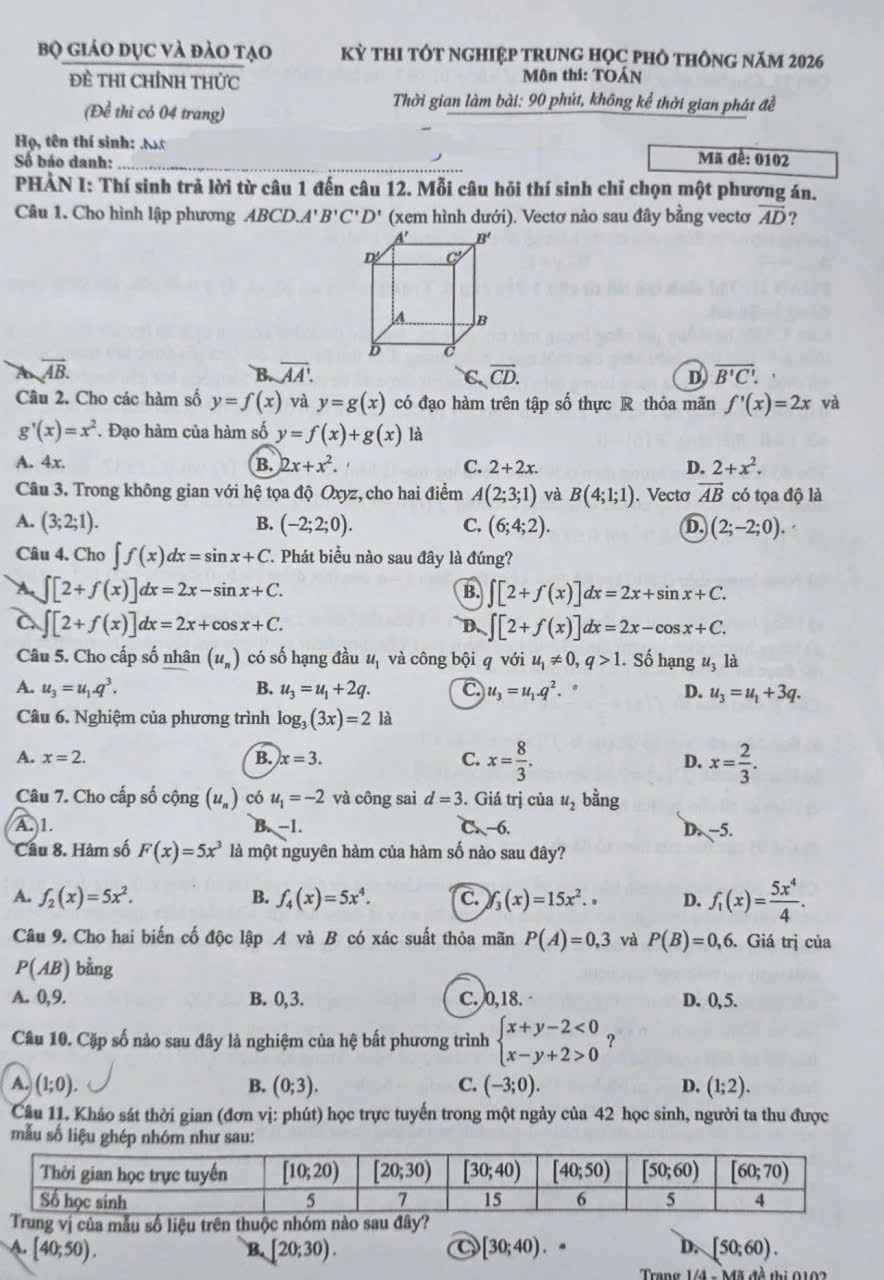
- My biggest impression is the stability and "reasonableness". Students approach this year's exam questions with a proactive mentality, no longer being surprised like last year's exam. Although the differentiation in the final question group is still very high to screen good candidates, in general, the exam questions bring a comfortable feeling thanks to being close to the actual learning ability of the students.
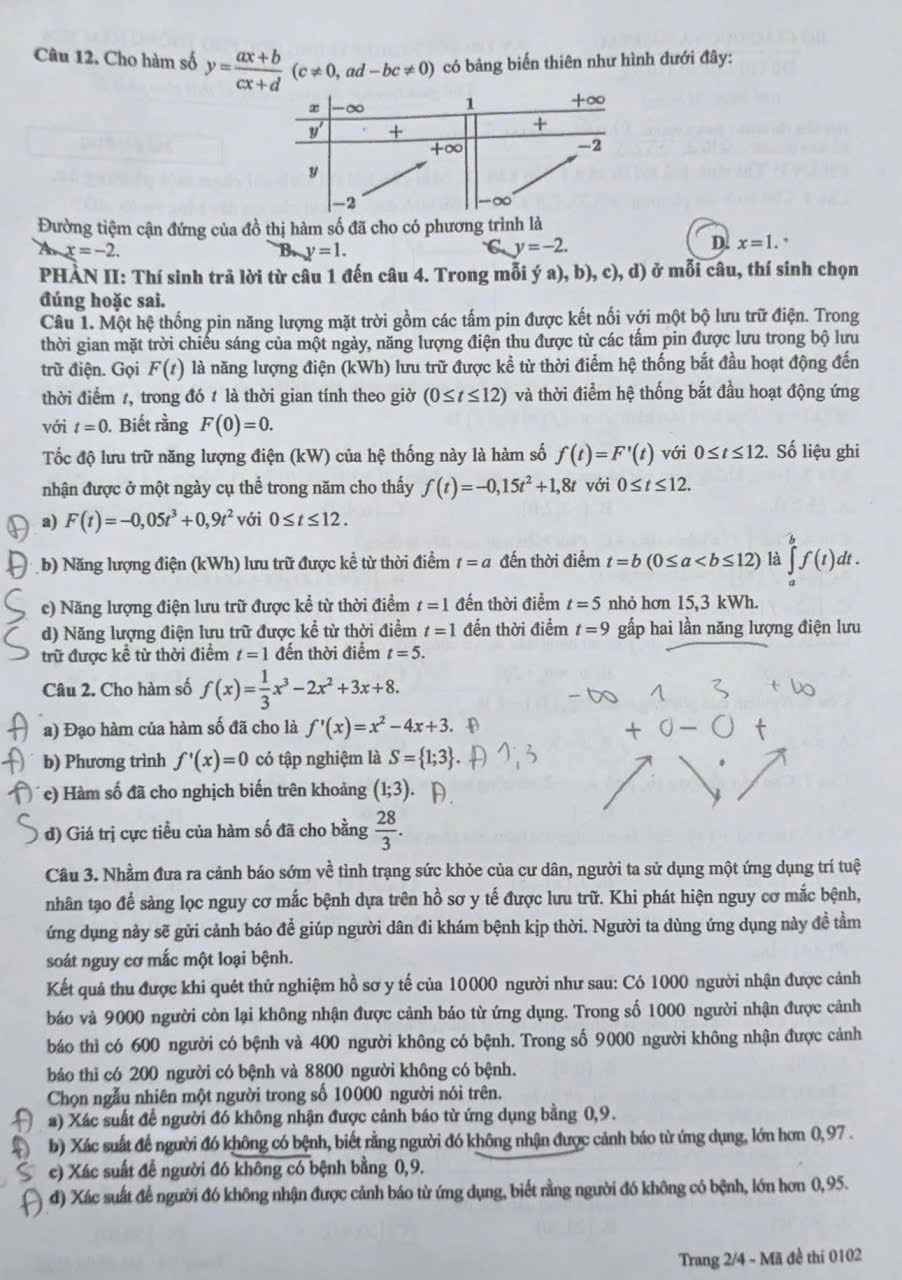
This year's exam no longer has forms applying formulas or quickly solving by computer, but is heavily focused on reading comprehension and reasoning. Forms that can be processed quickly by computer still appear but are limited to Part I (4-choice multiple-choice) - a group of identification questions for students to easily get points.
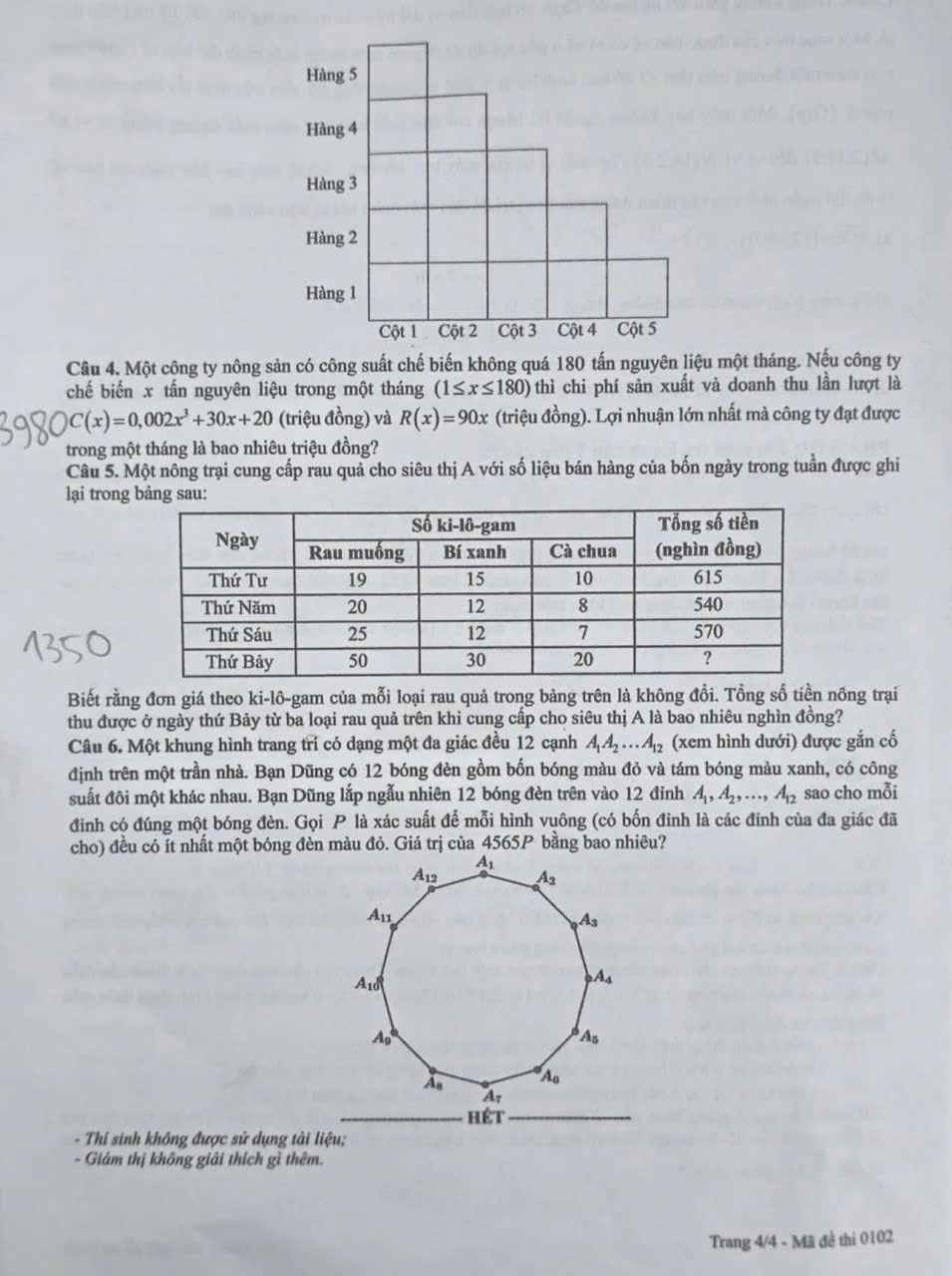
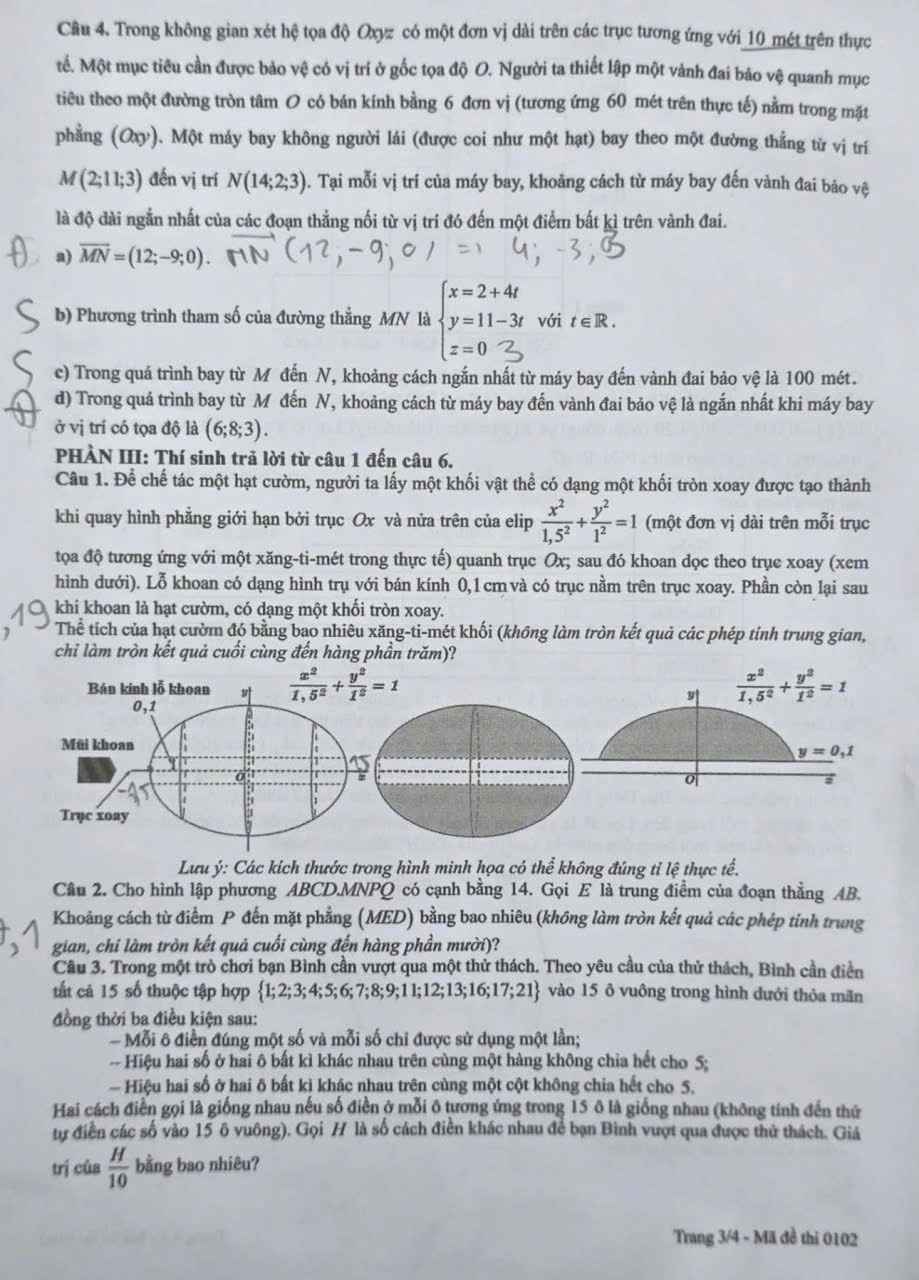
Meanwhile, the focus and differentiation of the exam are all focused on practical problems. This format requires students to have the ability to convert a real-life situation to a mathematical model to find solutions. Although some construction contexts are sometimes a bit forced, but overall, this design method is completely accurate and closely follows the competency development goals of the new program.
With the exam structure and the difficulty level of the exam, I predict that the average score will increase slightly, fluctuating commonly in the range of 6-7 points. The group with good and excellent scores will maintain a stable pace and the number of absolute scores is expected not to fluctuate much compared to the previous year because the blocking questions at the end of the exam are very difficult.
According to you, what impact will this year's exam have on the teaching and learning of Mathematics in high schools in the coming time?
- In my opinion, the 2026 High School Math exam may create a "reverse guidance" effect on teaching and learning activities in general schools. When the assessment philosophy changes, the teaching and learning system in general schools must inevitably transform accordingly.
In fact, 2025 is the first year to take the exam according to the new program, and many teachers have not yet caught up with the teaching methods of the program. However, with the Math exam in the last two years, the professional message has been sent very clearly.
The focus of knowledge is no longer purely theoretical, dry, academic problems but strongly shifts to mathematical modeling of practical problems. This challenge forces both teachers and students to step out of the old rut in teaching and learning.
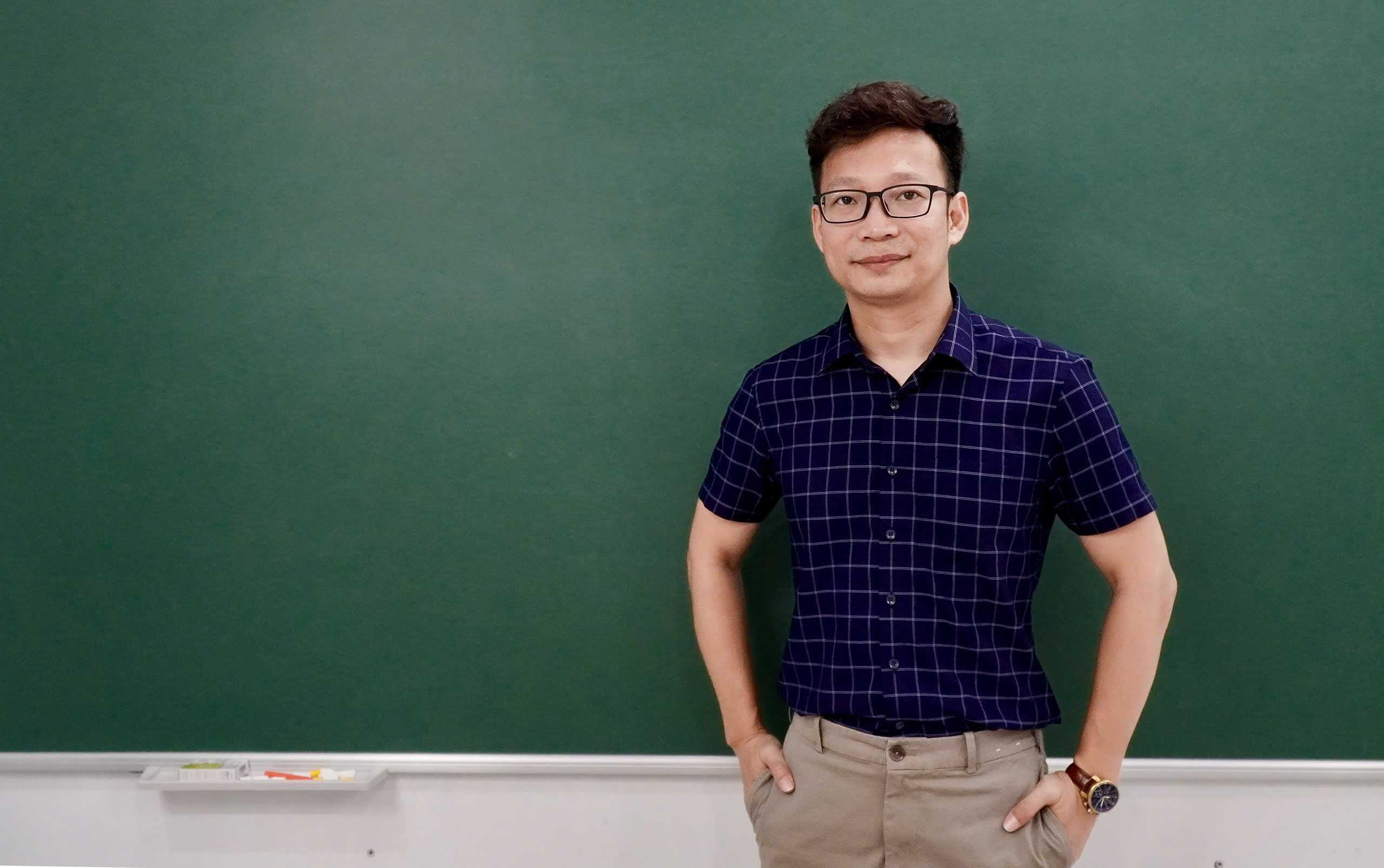
With the function of differentiating based on core competence, this year's exam sends a fairly clear message to teachers: "Teaching cannot only focus on conveying formulas, solving techniques or practicing in familiar types of exercises".
If the exam continues to maintain and approach more deeply this competency assessment orientation, teachers will need to spend more time organizing activities to help students analyze situations, detect problems, argue and present solutions. In other words, the focus will shift from "teaching how to do the test" to "teaching how to think".
From the 2026 Math exam, what message do you have for students and teachers about learning Math in the coming years?
- Looking at the overall picture, this year's exam questions are not simply an assessment tool, they play a role in adjusting the way of exam preparation. In previous years, exam preparation often focused on "fast solving formulas" or "quick test tips". But when the matrix of exam questions shifts to prioritizing high thinking content and application, the standardized exam preparation method will no longer be effective. This has the meaning of strongly promoting, bringing teaching and learning back to the core goal of developing students' practical mathematical abilities.
I think that the biggest impact of the 2026 high school graduation Math exam is not in the difficulty, but in the message it sends to teachers and learners: Learning Math is no longer learning to remember and apply formulas, but learning to think, reason and solve problems. If this orientation is maintained, it will contribute to changing both teaching and learning Math in the coming years.


