
The situation of creating "two books" has existed for many years.
On May 20, 2026, the Workshop "Tax management according to cash flow: Safe business, transparent tax" was organized by the Tax Department in coordination with relevant units.
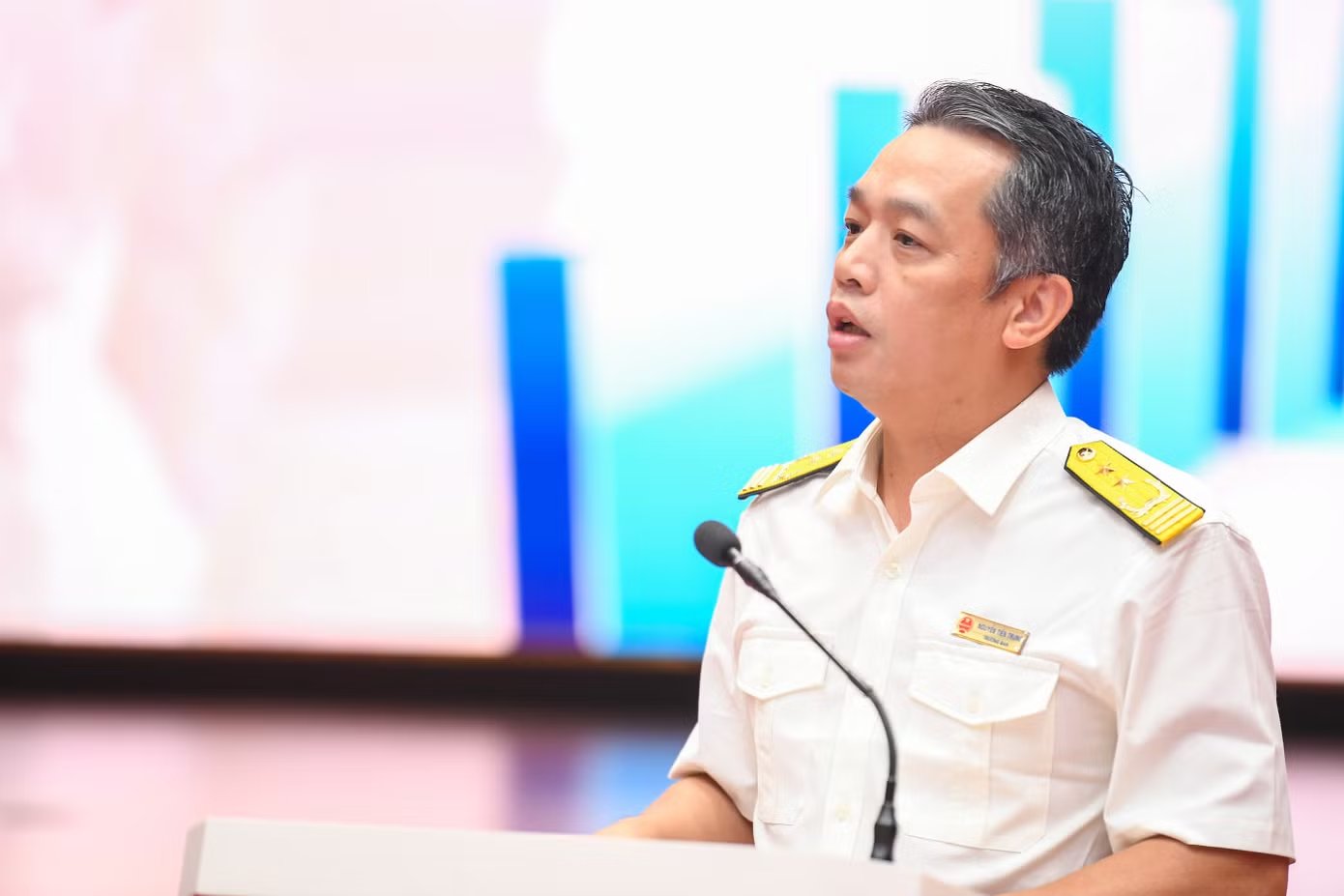
Sharing at the event about the issue of "two books", Mr. Nguyen Tien Trung - Head of the Tax Inspection Board, Tax Department said that it is necessary to clearly distinguish between common declaration errors and intentional tax evasion.
According to Mr. Trung, the existence of "two books" is not new, but the essence of the problem lies in the purpose of use. Many cases of revenue evasion start right from the input stage, when goods purchased and sold do not have full invoices and documents. From there, the situation of declaring less revenue and preparing separate books to monitor actual transactions arises.
This has existed for many years, not just now," Mr. Trung said. Mr. Trung emphasized that the boundary between incorrect declaration and tax evasion is completely different. Cases of intentionally establishing two systems of books, signing "two-price" contracts, and declaring lower than reality all pose great legal risks for both sellers and buyers.
He cited a practical example of the situation of signing two real estate purchase and sale contracts, one of which states a low price to declare taxes and one according to the actual transaction price. According to him, when disputes occur, buyers will bear great risks because the legal value is mainly based on the declared contract.
Accepting declarations that do not match the actual value may also be considered for responsibility related to tax evasion," Mr. Trung said.
Representatives of the Tax Department said that the tax authority always promotes propaganda and guidance to help people and businesses understand and implement regulations correctly. However, the viewpoint is to strictly handle intentional tax evasion.
Need to create trust for business households to be transparent about cash flow
Speaking at the Workshop, Ms. Nguyen Thi Cuc - Chairwoman of the Vietnam Tax Consultants Association said that it is necessary to clearly distinguish between internal management accounting and the act of creating two systems of books to evade taxes.
According to Ms. Cuc, there are always many accounting subsystems in enterprises with different purposes. Financial accounting is established to report to state management agencies, while management accounting serves internal management and monitoring of actual business efficiency.
There are also general accounting and detailed accounting to manage data at different levels. Enterprises are allowed to perform corporate accounting to determine their actual profits and losses.
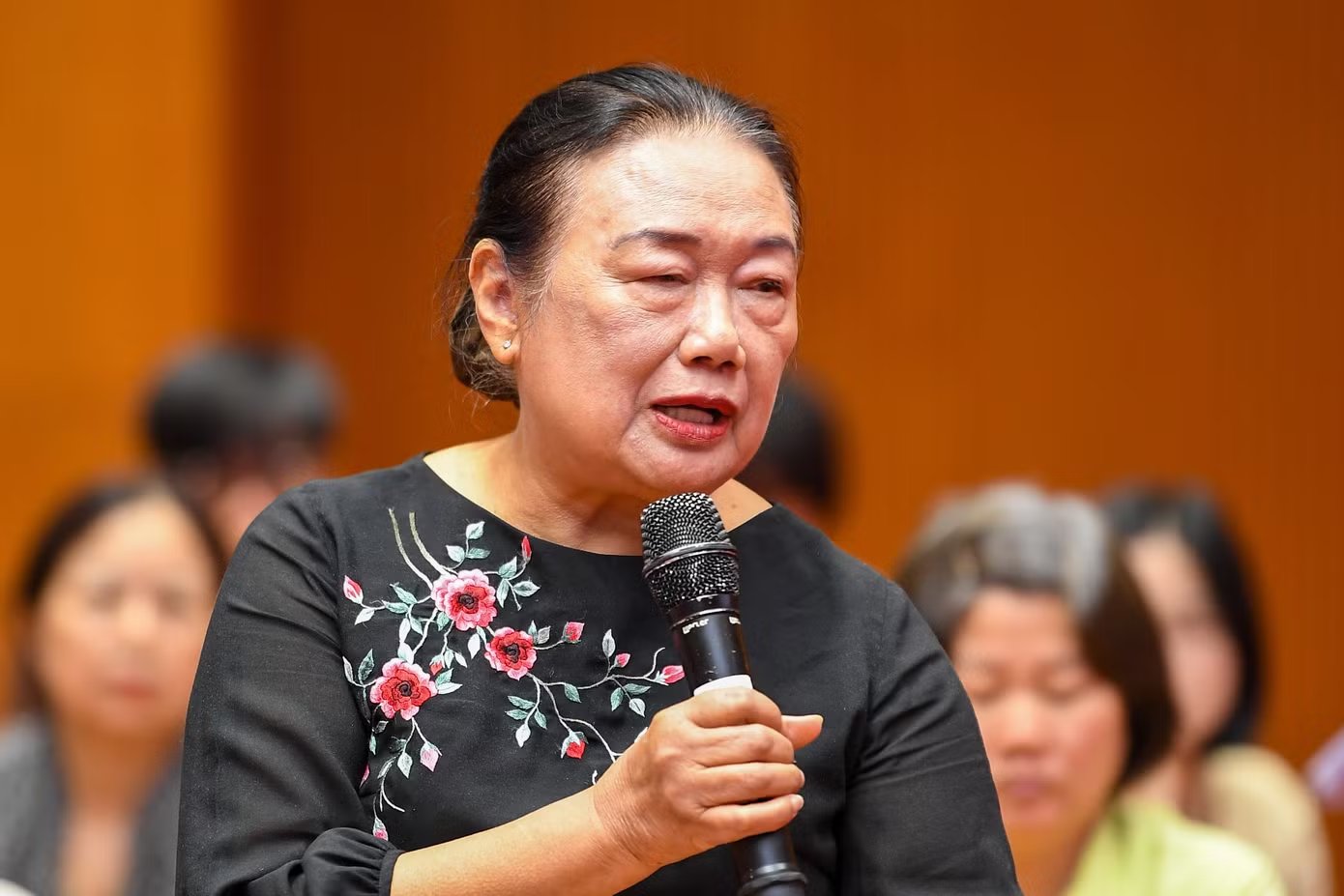
Ms. Cuc said that in fact, there are many incurred expenses that are not considered reasonable expenses when tax declaration. These expenses must be removed when calculating taxes, but businesses still need to monitor them in internal management and share profits with shareholders. Therefore, monitoring management data in parallel does not mean the act of illegally establishing "two books".
According to the provisions of the Accounting Law, the prohibited act is intentionally creating two different financial reporting systems in the same accounting period to evade taxes. One set is used to declare to the tax authority in the direction of reducing revenue, increasing expenses, and reducing tax obligations; the other set reflects actual data for internal purposes.
For business households, Ms. Nguyen Thi Cuc said that the biggest barrier today lies in the psychology of being hesitant to declare taxes and the habit of hiding revenue. "Many people still think that actual revenue can be hidden, while current transaction data leaves traces and may be compared by management agencies," Ms. Cuc said.
According to her, the most important thing is to create trust so that businesses can confidently declare, avoiding the psychology of fear of being retroactively taxed or unreasonably handled. If fully explained and properly mobilized, many business households will be willing to fulfill their tax obligations.
Ms. Cuc also said that the transparency process is still facing many difficulties, especially in the group of food service businesses. Units that have used management software, cash registers or technology solutions, the issuance of electronic invoices is quite smooth. Conversely, many small businesses are still used to cash transactions, and do not have the habit of issuing invoices in a timely manner, so many problems arise.
According to her, pressure from the market itself is forcing business households to change, because businesses buying goods without invoices will face difficulties in accounting input costs and affect business cooperation activities.
From a management perspective, the ultimate goal is to build a simple and easy-to-implement declaration process so that business households can switch to managing books, invoices and cash flow more conveniently and transparently," Ms. Cuc said.


