
Cụ thể, giá dầu Brent giảm 0,4%, xuống mức 78,87 USD/thùng. Giá dầu WTI của Mỹ giảm 0,5%, xuống mức 73,56 USD/thùng.
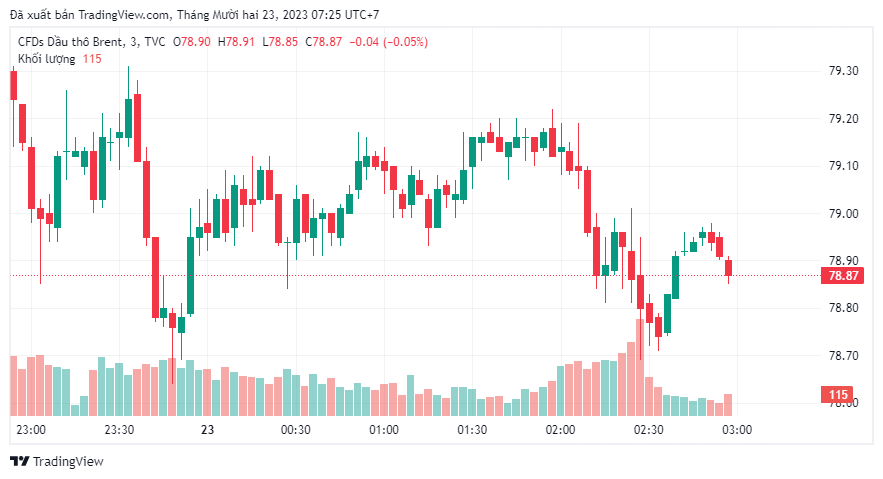
Quyết định này của Angola được đưa ra trong bối cảnh OPEC đang nỗ lực kêu gọi các nước thành viên cắt giảm sản lượng khai thác để hỗ trợ giá dầu. Hiện Angola sản xuất khoảng 1,1 triệu thùng/ngày, trong khi toàn OPEC sản xuất 28 triệu thùng/ngày.
Theo các chuyên gia, việc Angola tuyên bố rời OPEC+ không tác động nhiều đến nguồn cung toàn cầu nhưng điều này có thể làm gia tăng sự hoài nghi của thị trường về mức độ tuân thủ cam kết cắt giảm sản lượng của các thành viên khác trong nhóm.
OPEC hiện chỉ còn 12 thành viên với sản lượng đạt khoảng 27 triệu thùng/ngày, chiếm 26,5% tổng sản lượng dầu của thị trường thế giới.
Bên cạnh đó, quyết định rời OPEC của Angola có thể mở đường cho Bắc Kinh tăng cường đầu tư vào dầu mỏ và các lĩnh vực khác của nước này.
Tại Mỹ, chỉ số lạm phát thấp hơn dự kiến khiến nhà đầu tư lạc quan rằng Cục Dự trữ Liên bang Mỹ (Fed) sẽ giảm chi phí đi vay vào năm tới. Lãi suất thấp hơn làm giảm chi phí vay tiêu dùng, điều này có thể thúc đẩy tăng trưởng kinh tế và nhu cầu về dầu.
Hạn chế đà giảm của giá dầu là sự suy yếu của đồng USD. Chỉ số US Dollar Index (DXY) đã xuống mức 101 điểm.
Phil Flynn, nhà phân tích tại Price Futures Group cho biết, sẽ mất một khoảng thời gian để sản lượng dầu của Angola tăng. Bên cạnh đó, dữ liệu lạm phát của Mỹ, các cuộc tấn công của Houthi ở Biển Đỏ sẽ hỗ trợ giá dầu hơn bất kỳ sự gia tăng sản lượng nào trong tương lai từ Angola.
Giá bán lẻ xăng dầu trong nước ngày 23.12 cụ thể như sau: Xăng E5 RON 92 không quá 21.199 đồng/lít; xăng RON 95 không quá 22.145 đồng/lít; dầu diesel không quá 19.524 đồng/lít; dầu hỏa không quá 20.494 đồng/lít; dầu mazut không quá 15.265 đồng/kg.


