
Keeping the tea scent by the red cast iron pan
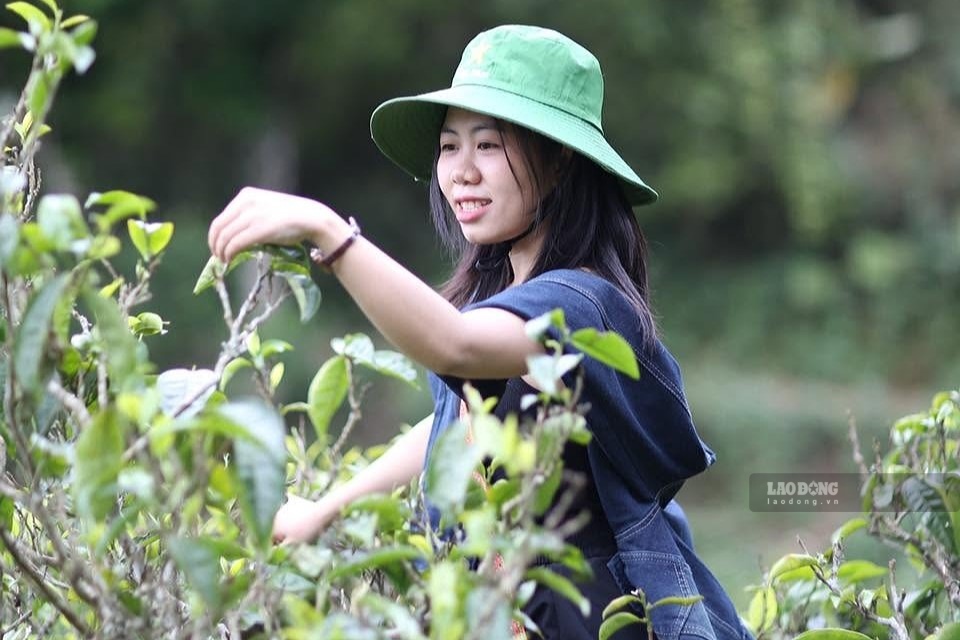
From early morning, when clouds are still covering the slopes of Ta Xua mountain, people have gone up the hill to pick young Shan Tuyet tea buds. The tea is carefully selected and quickly brought home handcrafted to retain its flavor.
Without machinery support, the steps of wilting, squeezing, steaming and drying are all done with the hands and experience of tea makers.
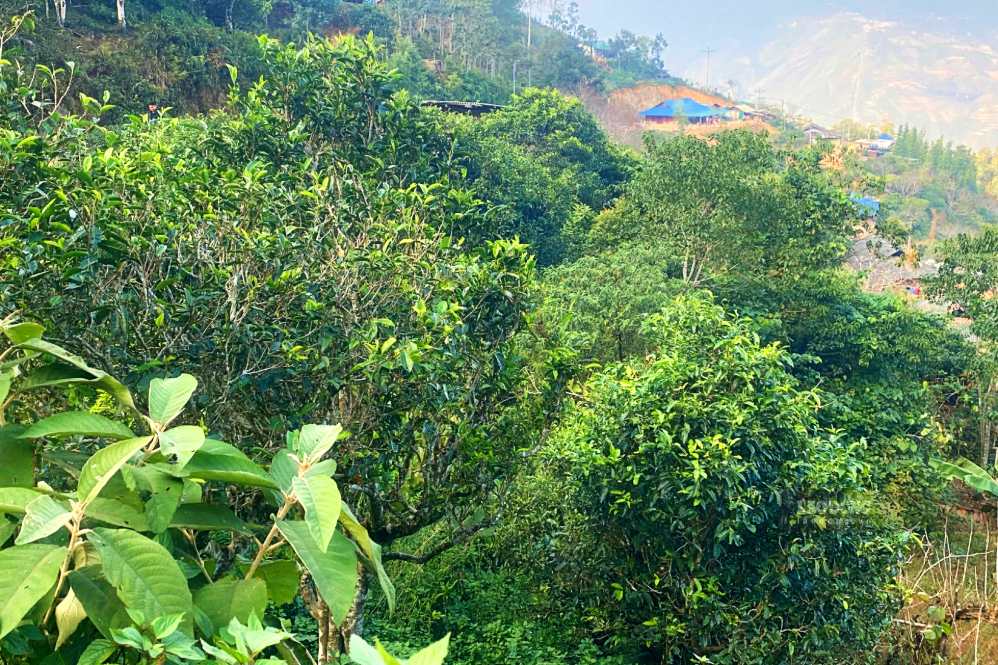
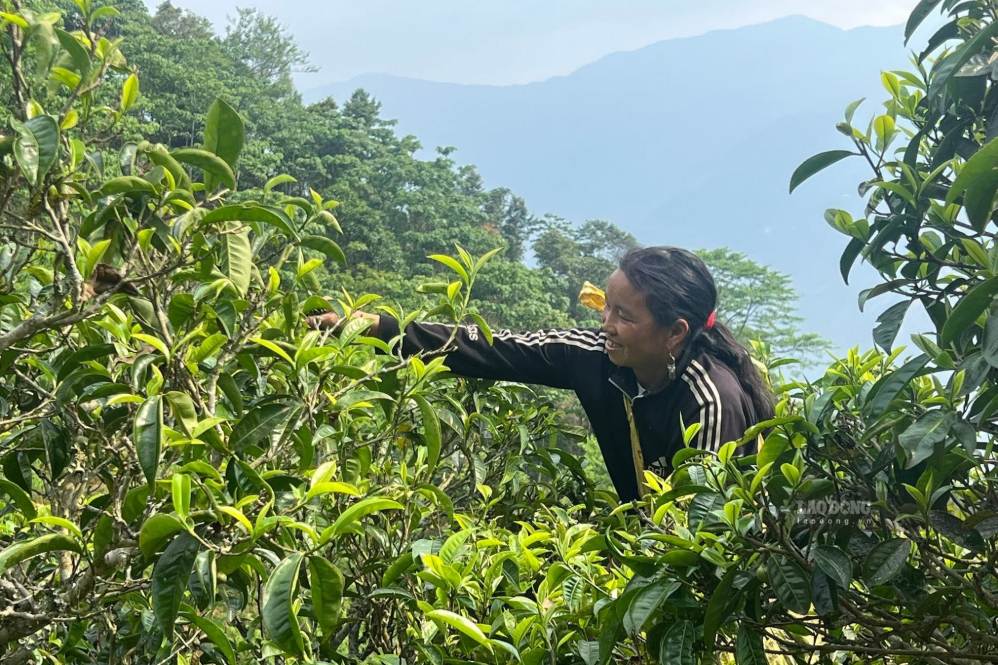
In Be village, Mr. Mua A Tong has been attached to the tea making profession since 2016, continuing the tradition of making tea through three generations. His family maintains two cast iron pans, two fireplaces for burning firewood, processing more than 100kg of dried tea per month. Shan Tuyet stir-fried tea costs from 800,000 VND to 1 million VND/kg, depending on the type.
According to Mr. Tong, stirring tea by hand requires experience in adjusting the heat, stirring evenly and feeling the temperature so that the tea is just dry, not burnt, and does not lose its flavor.
The fire must be moderate. If the fire is high, the tea is easily burnt and fragrant; if the fire is low, the tea will not dry for a long time and the quality will not be achieved. People must observe and feel the changes of each tea bud," Mr. Tong shared.
Also associated with the fiery cast iron pans, in 2019, Mr. Nguyen Thanh Kien, owner of the "Kien Farmer" tea shop, decided to leave Hanoi to Ta Xua to learn tea making and accompany the people to preserve traditional processing methods.
In the early days, Mr. Kien built his own stove, followed people to pick tea, learned how to wilt, grind and stir-fry tea. After many years of attachment, he mastered the technique of stir-frying tea by hand on a cast iron pan.
The first time enjoying ancient Shan Tuyet tea tree with hand-shaped stars and listening to the Mong people tell about tea trees, I was very impressed. When directly learning the craft, I realized that handmade tea stars require a lot of time, patience and experience," Mr. Kien shared.
According to Mr. Kien, the tenderness and humidity of the tea change with each batch, so the "sao" person cannot apply a fixed heat level. The maker must observe the tea color, feel the heat of the pan and adjust the heat appropriately to maintain the characteristic flavor.
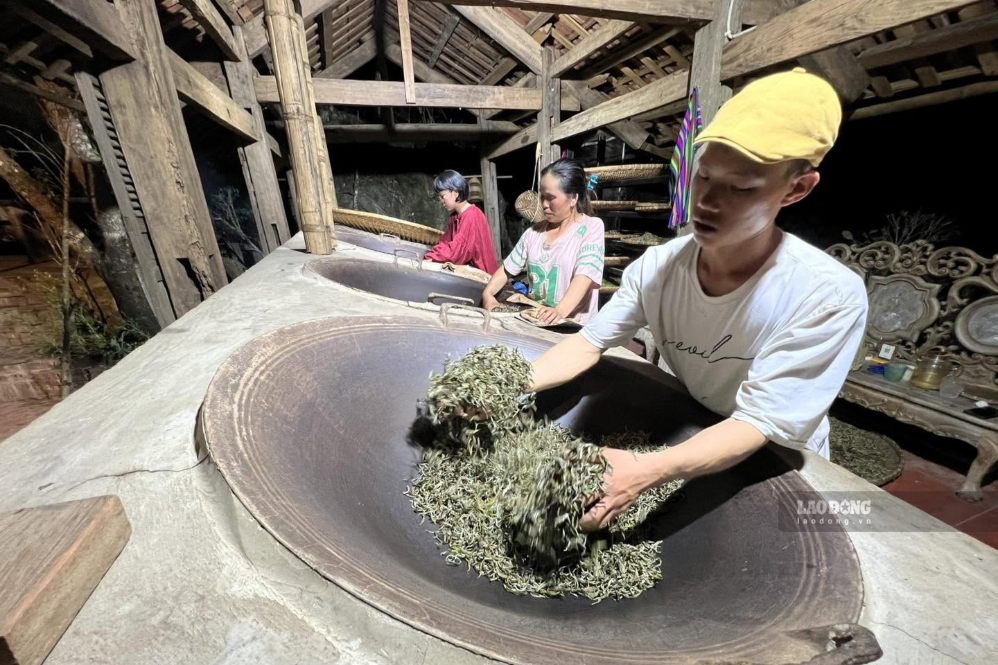
A hand-stirred tea batch takes more than 2 hours. When the tea is dry, breaking the tea stalks feels crispy, fragrant and the color meets the requirements, the stirring stage is completed.
Keeping the craft in every batch of handmade tea
Craft-made Ta Xua Shan Tuyet tea has a natural aroma, clear blue water, rich, mildly astringent taste and deep sweetness. The hand-stir-frying technique helps the maker proactively adjust the temperature, keeping the characteristic flavor of the tea.
Mr. Hoang Dinh Thinh, a tourist from Hanoi, said that witnessing the tea roasting process with his own eyes helps him feel more clearly the value of the product.
Sao Tay sweet soup is fragrant, rich and deep, slightly astringent but has a sweet aftertaste. Witnessing each stage, it is clear that to make a delicious batch of sweet soup requires a lot of effort and experience," Mr. Thinh shared.
The value of sao tay tea not only comes from the ancient raw material but is also created by techniques and experience accumulated through many generations.
However, due to the requirement for rapid and large-scale production, currently Ta Xua only has more than a dozen households maintaining the method of stirring tea by hand on a cast iron pan.
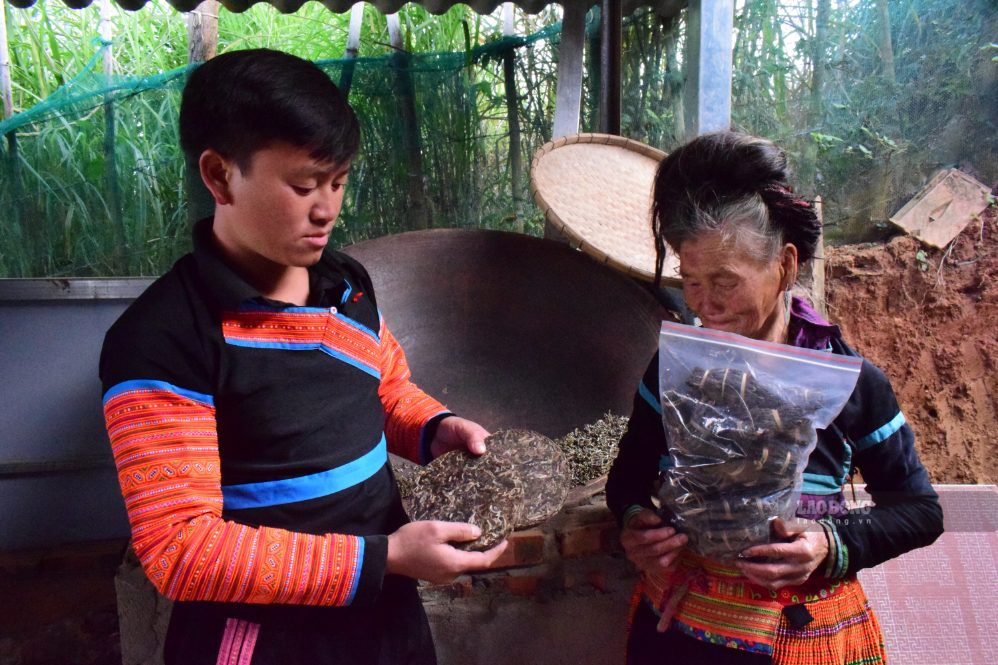
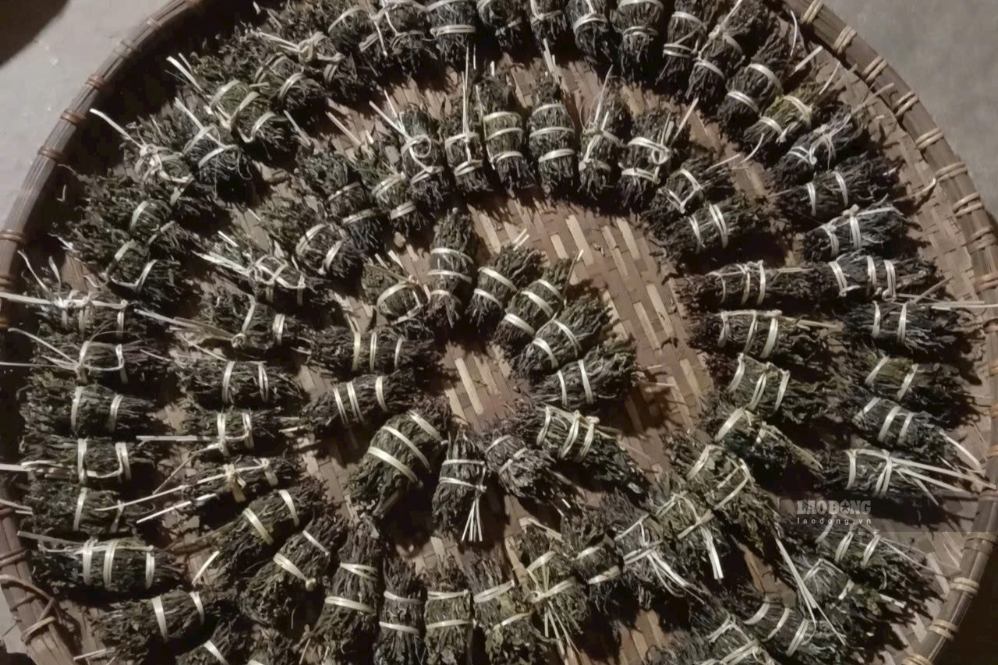
Mr. Mua A Lenh, Director of the PLA National Agriculture and Cultural Preservation Cooperative, Ta Xua commune, said that the cooperative is accompanying people to preserve the tea making profession, improve quality, build brands and expand markets, contributing to increasing income for people.
Mr. Do Van Xiem - Chairman of Ta Xua Commune People's Committee, said that Shan Tuyet tea, especially Sao Tay tea, is a typical product of the locality. In the coming time, the commune will continue to preserve traditional processing methods, improve product value and develop sustainable livelihoods for people.
Amidst the clouds of Ta Xua mountains, the stoves by the cast iron pan are still red, contributing to preserving the traditional tea making profession and spreading the unique flavor of the highlands.


