
The seafood industry has been facing a lot of pressure
On December 19, the Ministry of Agriculture and Environment coordinated with the People's Committee of Ninh Binh province to organize a Seafood Seed Development Conference to assess the current situation and orient the coming period.
In 2025, the Vietnamese seafood industry will continue to play an important role in the agricultural economic structure. However, from 2024 to now, aquaculture and breeding activities have faced many difficulties as input and logistics costs have increased, consumption has slowed down, while the impacts of climate change, environmental pollution and extreme natural disasters are becoming increasingly clear.
Speaking at the opening of the Conference, Deputy Minister of Agriculture and Environment Phung Duc Tien said that the aquaculture industry was heavily affected by drought, saline intrusion in the Mekong Delta, environmental pollution, plastic waste, especially major storms and floods in the period of 2024 - 2025, causing significant damage and reducing production efficiency.

Along with that, foreign markets are increasingly setting more strict requirements for quality standards and traceability, creating great pressure on seafood exports.
However, Mr. Phung Duc Tien emphasized: "In difficulties, there are always opportunities". Thanks to the strong direction of the Government, the participation of ministries, branches, localities and the business community, the aquaculture industry has still achieved positive results.
It is expected that by the end of 2025, the aquaculture area will reach more than 1.32 million hectares, the estimated aquaculture output will be nearly 6 million tons, and the seed production will reach about 392.5 billion pigs, basically meeting domestic demand and partly for export.
Focus on selecting high-quality varieties, proactively supply
According to the report of the Department of Fisheries and Fisheries Control, the production and supply of aquatic breeds in 2025 will continue to play a key role, with the total output of breeds estimated at 392.5 billion, an increase of 0.8% compared to 2024 and basically meeting domestic farming needs.
Of which, shrimp varieties still account for a large proportion when the output of commercial brackish water shrimp is estimated at 167.58 billion, an increase of 5.4% over the previous year. Pangasius breed production reached about 4.55 billion, up 13%, mainly concentrated in the Mekong Delta. The output of marine fish varieties will reach about 265.95 million units, an increase of more than 9% compared to 2024.
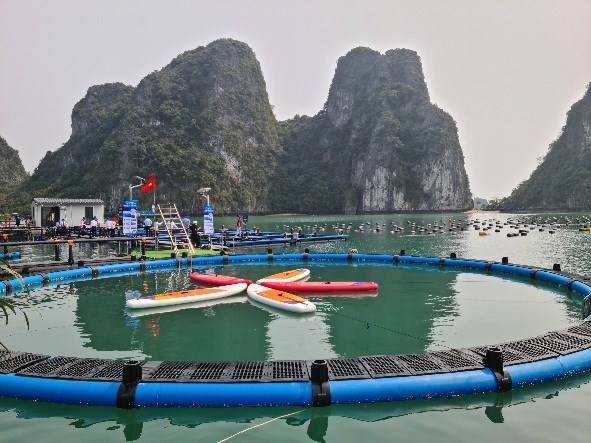
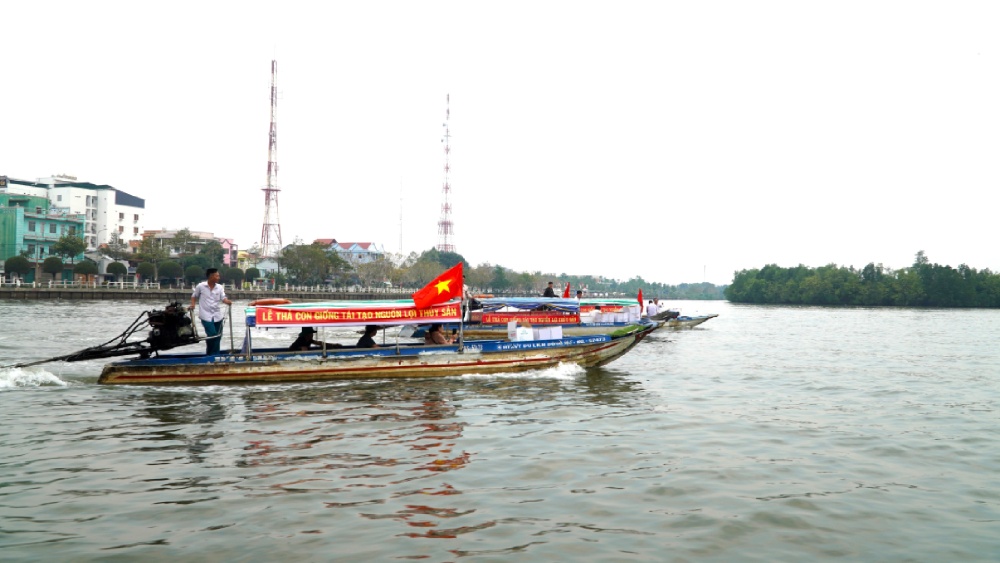
The report of the Department of Science and Technology shows that from 2010 to present, the state budget has invested nearly 900 billion VND in research tasks related to aquatic breeds. The research system is formed at specialized institutes, national breeding centers and training facilities, creating a foundation for breeding selection activities in many key subjects.
However, research programs using the state budget are still short-term, lack continuity, causing difficulties in maintaining high-quality breeding flocks. The participation of enterprises in research and breeding selection activities is still limited, while the domestic breeding rate only meets part of the demand, especially for white-leg shrimp.
Faced with this situation, the Department proposed that in the new period, the industry should focus resources on selecting high-quality varieties, promoting the application of advanced technologies, building long-term research programs and enhancing resource socialization, encouraging businesses to participate in research and transfer technology to production.


