
Farmers reveal how to identify standard flavored thanh tra
In the middle of the thanh tra ripening season, the market recorded a price difference between sweet thanh tra and sour thanh tra at times of nearly ten times. This difference surprised many people when choosing.
Although grown in the same area, the two types of thanh tra have different economic values. It is worth mentioning that the external appearance is quite similar, so buyers can easily confuse.
Mr. Huynh Van Hao, a farmer in Dong Thanh ward, said that just carefully observing the color of the skin and scent can correctly identify each type of thanh tra. According to him, sweet thanh tra usually has a bright, bright yellow color, and a clear fragrance when ripe, while sour thanh tra tends to be dark yellow-green, with a lighter aroma.
Long-time growers can tell at a glance. The most important thing is the color of the skin and the spread of the fragrance," Mr. Hao said and added that if you mix the two types together, inexperienced people can easily misunderstand because the fruit shape is quite similar.
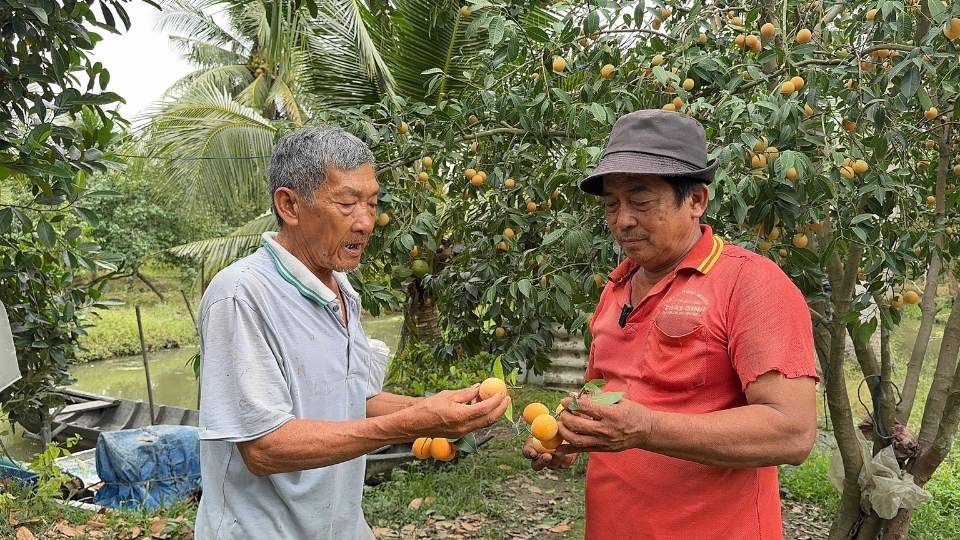
According to Mr. Hao, sweet thanh tra when ripe emits a mild, pleasant aroma and has an eye-catching bright yellow color. Buyers should choose round and even fruits, hold them firmly, avoid dark or too green fruits because they are easily mixed with sour ones.
Mr. Truong Van Hoang shared that although the price of sour tea is lower, it is still favored by many customers. According to him, this type is suitable for making soft drinks or preparing exotic dishes, so the output is still quite stable.
From practical experience, gardeners recommend that consumers should ask clearly about the type of fruit before buying to avoid confusion. Correct differentiation not only helps choose the right flavor but also avoids losing money unjustly due to price differences.
Orientation to expand the area of sweet tea
Leaders of Dong Thanh ward said that the locality currently has more than 41ha of thanh tra, of which sweet thanh tra accounts for nearly 20ha of the total cultivated area. The remaining area is mainly sour thanh tra, which has been maintained for many years.
Thanh tra is identified as one of the key crops of the locality. The development of area is associated with improving economic value and income for people, gradually building a unique fruit brand.
Mr. Nguyen Thanh Hai, Deputy Head of the KTHT&ĐT Department of Dong Thanh ward, said that the selling price difference is a factor promoting the structural shift to sweet tea, because the economic efficiency is significantly higher.
Currently, sour thanh tra is purchased by traders at the garden at a price of about 15 - 20 thousand VND/kg, while sweet thanh tra ranges from 100 - 150 thousand VND/kg, 9-10 times higher, depending on the time and fruit quality.
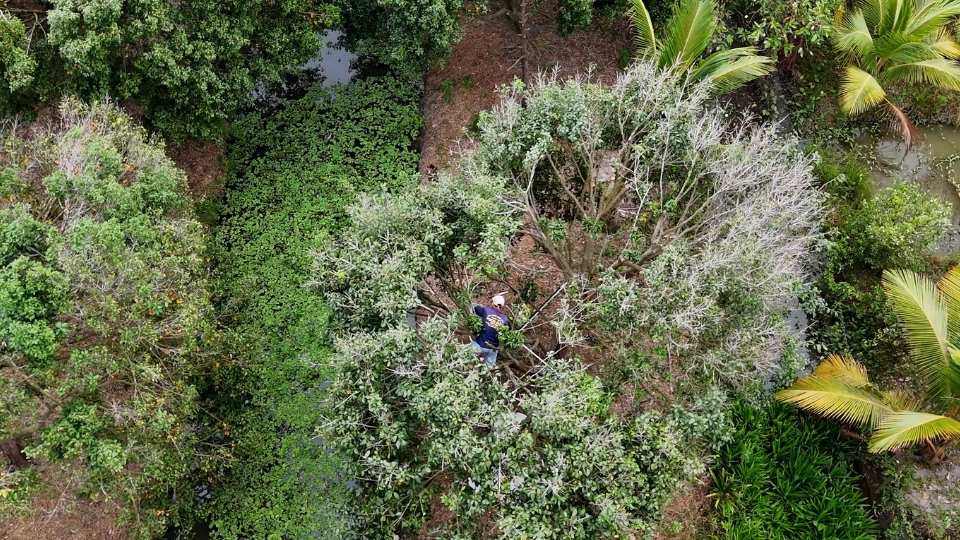
According to the plan, in 2026, the locality will increase about 7ha of sweet tea, raising the total area to 26.5ha. The expansion is implemented according to a specific roadmap, avoiding rampant development.
However, sour tea still plays a certain role in the production structure. This fruit has a stable output thanks to serving the needs of processing, brewing drinking water and general consumption.
The expansion of sweet thanh tra is to meet market tastes, but the locality still maintains a reasonable area of sour thanh tra to ensure product diversity and reduce the risk of oversupply.
When understanding clearly how to distinguish sweet and sour thanh tra fruit, consumers can proactively choose according to their needs. This contributes to selling price transparency, market stability and increasing the value of local thanh tra fruit," Mr. Hai added.


