
Black olives specialty in season
At the end of July, black olives begin to ripen in many localities such as Thuan Chau, Quynh Nhai, Muong La, Yen Chau.
From a natural fruit growing in the forest, black olives have now become a specialty favored by the market, bringing significant income to people.
Phieng Mut village, Muong Gion commune is one of the famous trám regions of Son La, still preserving hundreds of ancient trám trees, many trees over 100 years old. Thanks to suitable climate and soil conditions, trám fruit has thick flesh, when stewed it has a buttery, fatty and fragrant taste.
These days, from early morning, people have entered the garden to harvest. People climb trees to use poles to break branches, smash bunches of fruits, people under the tree quickly pick up fruits, sort them and then pack them in bags for traders to buy right on the same day.
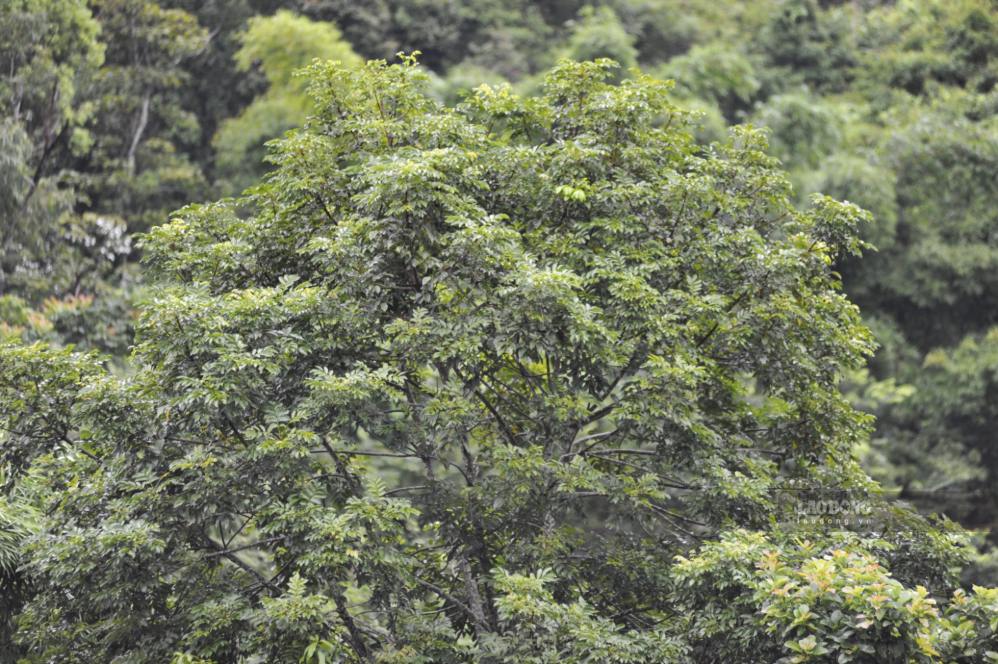
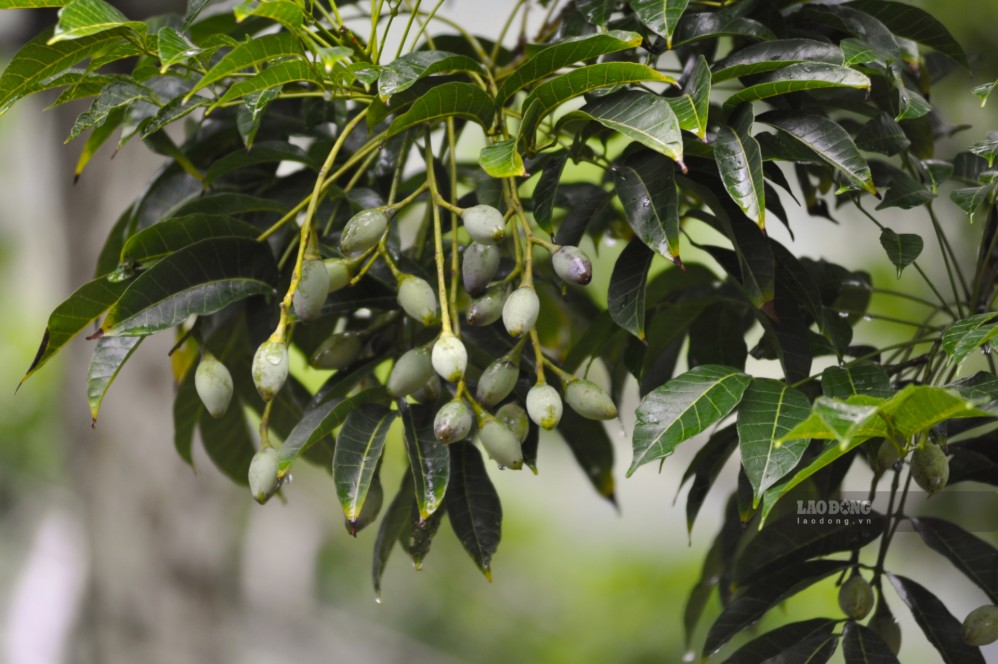
Mr. Lo Van Quy, Head of Phieng Mut village, Muong Gion commune, said that in recent years, the value of olive fruit has increased, and people are actively protecting ancient trees and propagating them to expand the area.
When the harvest season comes, traders come to the village to buy, so people are very excited. We want to build Phieng Mut black olives into a typical product, contributing to increasing people's income," Mr. Quy said.
Not only in Quynh Nhai, many households in Chieng Coi and Chieng An wards also have additional income from *tram* trees.
Ms. Tong Thi Ha's family, group 10, Chieng Coi ward, harvests about 300-400kg of fruit each season.
This year, the family has harvested about 80kg, estimated to still have more than 400kg of fruit on the tree. Traders come to the place to buy fruit, so the output is stable, helping the family have more income," Ms. Ha shared.
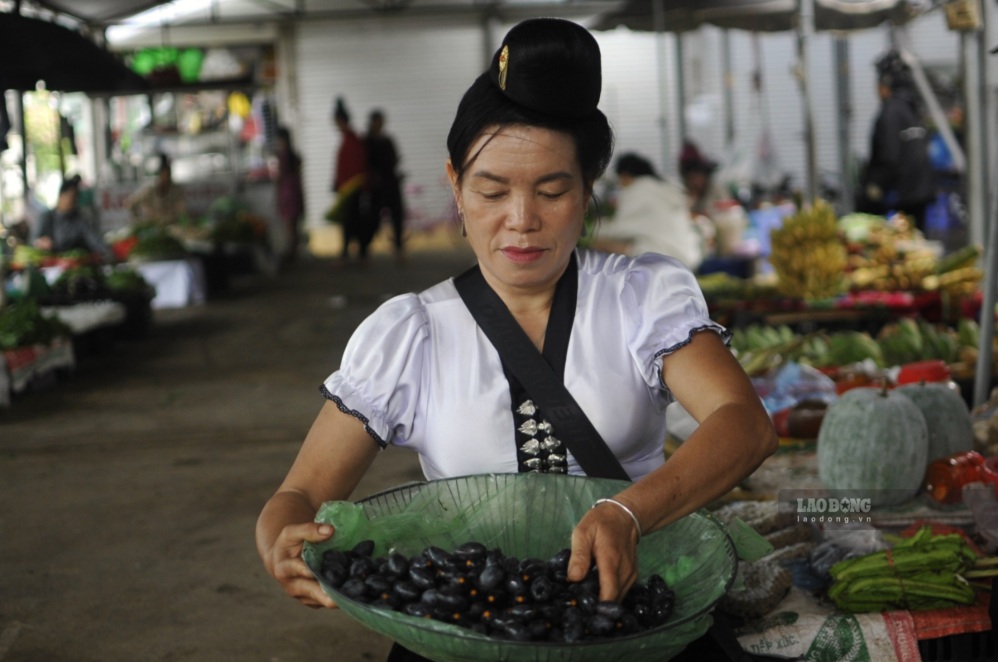
According to Mr. Quang Van Nho, a trader who buys and sells olives at Chieng An market, Son La black olives are favored by customers inside and outside the province thanks to their uniform fruit, which when stewed has a buttery, fatty and fragrant taste.
Every season, I buy olives in Quynh Nhai, Thuan Chau, Muong La and then bring them to sell at Chieng An market, and at the same time transfer them to customers in Hanoi, Hai Phong, Quang Ninh. In the peak season, goods are sold out as soon as they arrive," Mr. Nho said.
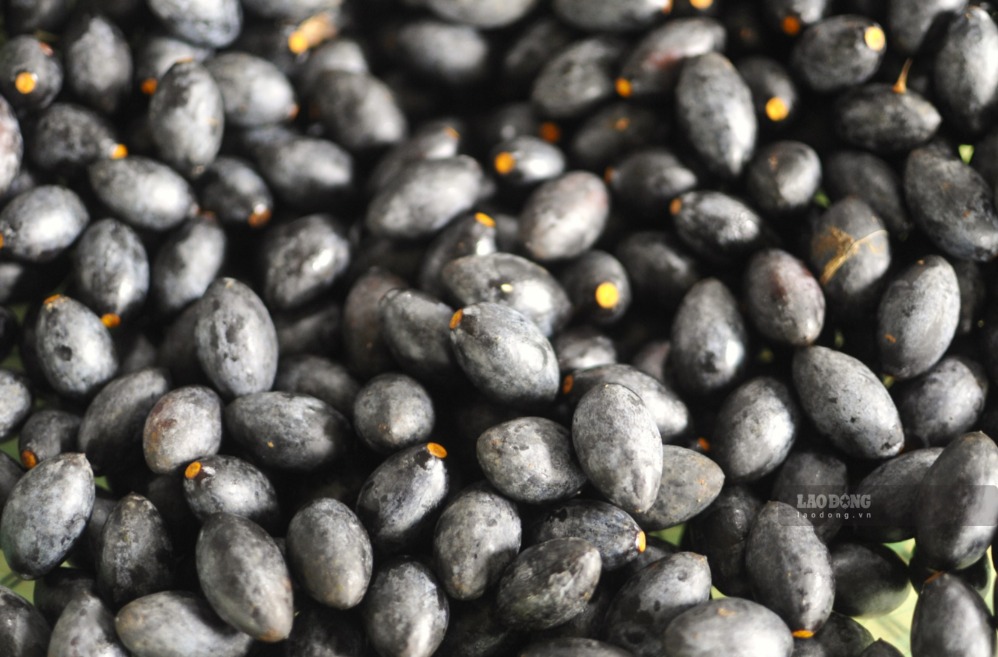
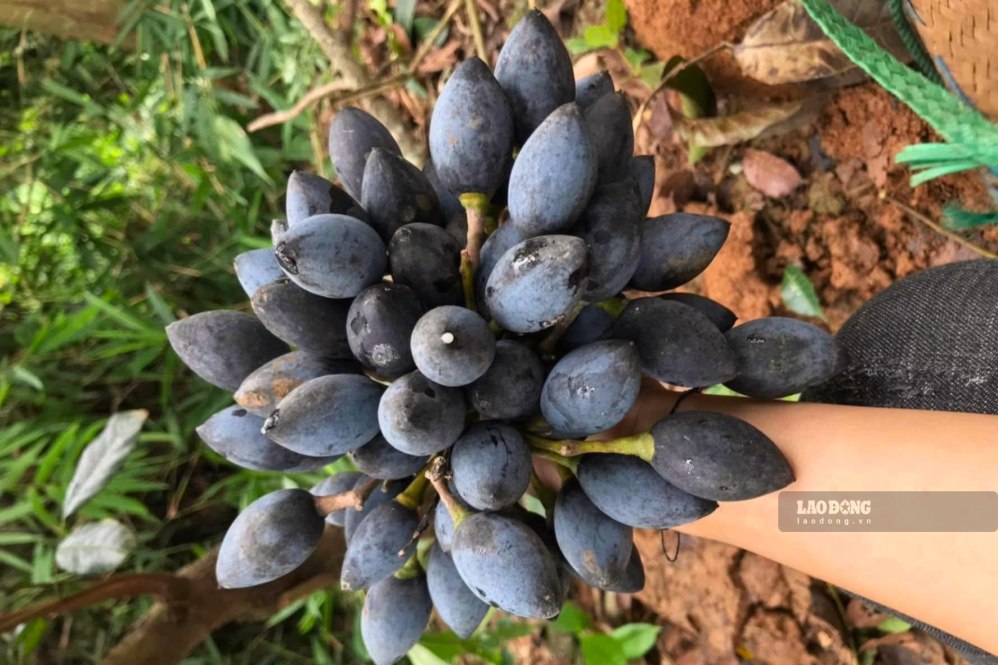
Currently, black olives are purchased at the garden at a price of 150,000-200,000 VND/kg. Although the price is high, at many times the supply still does not meet the market demand.
Diverse delicious dishes from Son La black olives
Not only bringing income to the people, black olives are also a raw material for many typical Thai dishes.
After harvesting, the olives are washed and stewed in warm water at about 50-60 degrees C for 15-20 minutes. When the peel is soft and the flesh turns yellow, they can be processed.
According to people, the fermentation stage determines the flavor of the olive fruit. Water that is too hot makes the flesh hard, while water that is too cold will make the olive retain its astringent taste.
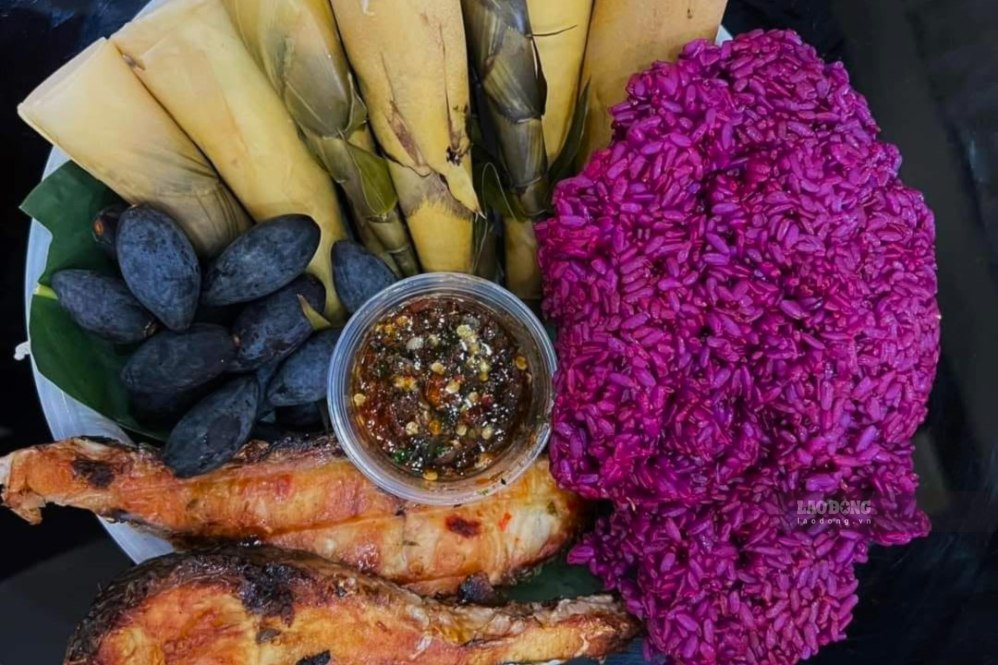
From the olive fruit, people process many dishes such as olive sticky rice, braised fish with olives, braised pork belly with olives, and stuffed olives. Among them, olive sticky rice is the most familiar dish.
Chewy and fragrant sticky rice blends with the buttery and fatty taste of olives, eaten with grilled fish, bee pupae and crispy bamboo shoots, creating a unique flavor of Son La cuisine.
Ms. Lo Thi Thuong, Chieng An ward, said that every year her family buys olives to process. "The olive season is short, so I often buy a few kilograms to braise. In addition to making olive sticky rice, the family also braises it with fish and pork belly. The olives are eaten with sticky rice, grilled fish and cheongsam, very savory and fragrant.
According to Ms. Thuong, after being cooked, many families separate the seeds and then freeze them for use all year round.
Mr. Chu Huy Thanh, a tourist from Hai Phong, shared: "This is the first time I have enjoyed sticky rice with olives and dishes from Son La black olives. The olives after being stewed have a very characteristic buttery and fatty taste, eaten with sticky rice, grilled fish, bee pupae and cheongsam create a harmonious and unforgettable flavor. I also bought a few kilograms of olives as gifts for relatives.
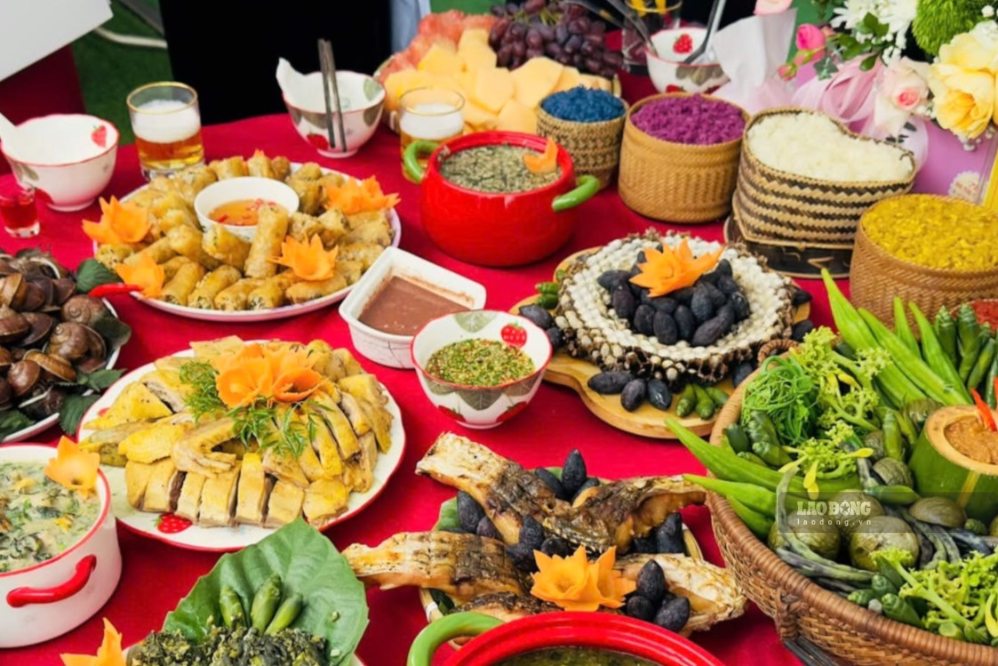
Today, dishes made from black olives appear in many restaurants and community tourist destinations in Son La, becoming specialties that tourists seek to enjoy and buy as gifts.
From a rustic forest fruit, black olives are contributing to promoting cuisine, enhancing the value of agricultural products and creating more livelihoods for people in mountainous areas.


