
Two decades of attachment to ST rice
In the vast rice fields in Dai Tam, My Xuyen ward (Can Tho City), Mr. Hua Thanh Nghia - Director of Nghia Thang Agricultural Cooperative - still maintains the habit of wading through the fields every day. More than 24 years attached to ST rice varieties, he is respected by people not only for his role as Director of the Cooperative but also for his rich experience accumulated through each crop season.
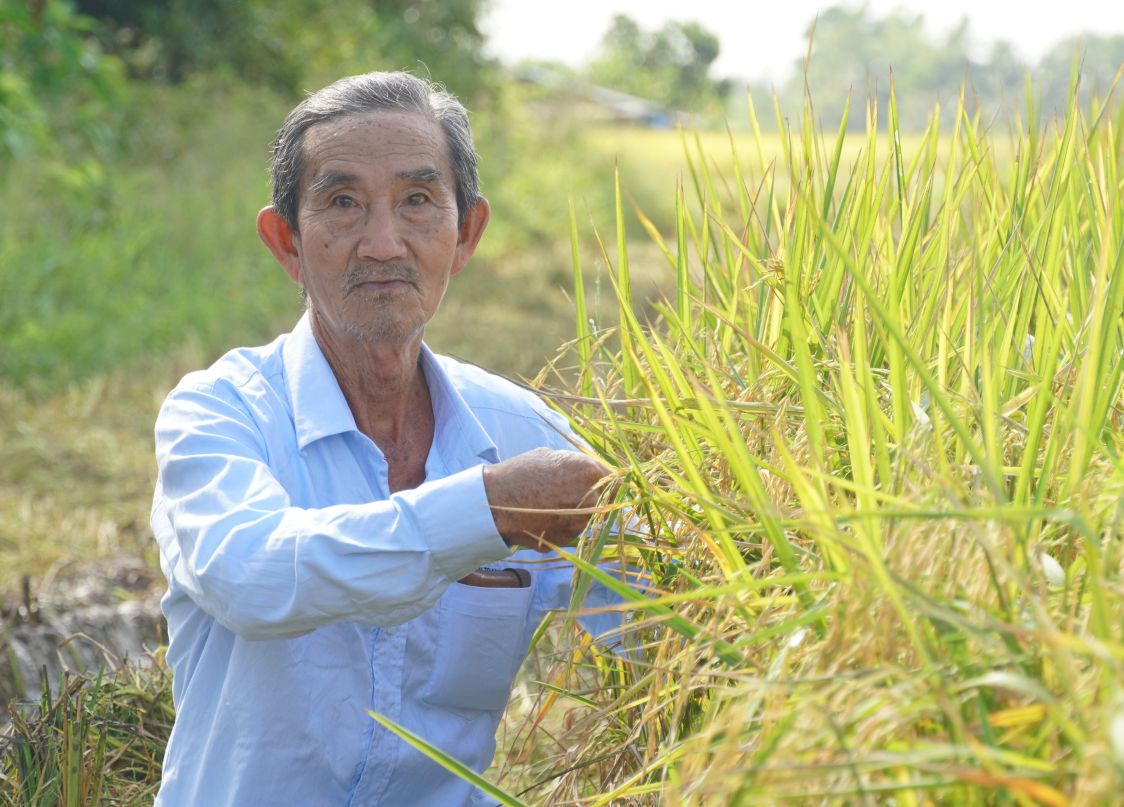
Mr. Nghia said that more than 24 years ago, when the first ST rice varieties were still in the testing phase, he and a group of farmers in Dai Tam (belonging to My Xuyen district, former Soc Trang province) boldly accompanied engineer Ho Quang Cua. From ST3, ST5 to ST24, ST25, they both produced and completed the cultivation process, adjusted crop seasons, water sources, and care techniques to suit local soil conditions.
In the early years, ST rice did not really achieve the desired aroma and grain length. After each crop, Mr. Nghia and engineer Ho Quang Cua reviewed the process, adjusted techniques, and gradually improved the quality of the variety. That persistence contributed to making ST25 a key rice variety, welcomed by domestic and foreign markets.
According to Mr. Nghia, the most important experience is to observe the field every day. Looking at the color of leaves, the reach of trees or the changes in weather, he can predict pests and diseases. "ST varieties are slightly affected by daze when the weather is unfavorable, but if cared for properly, they will recover strongly, tiller well and give high yields," he said.
Not only directly producing, Mr. Nghia also regularly participates in training classes on high-quality, low-emission rice production to guide people. He shared his experience in observing the rice field ecosystem, keeping natural enemies, and limiting the abuse of chemical drugs.
We have to go to the fields, just show people firsthand how larvae help balance the water environment, then they will believe," he said.
Mr. Nghia said that growing rice varieties is completely different from commercial rice. From the transplanting stage, carpet sowing methods must be used to limit mixing varieties. Throughout the growing process, mixture is regularly removed; businesses check up to 4 times per crop to ensure pureness.
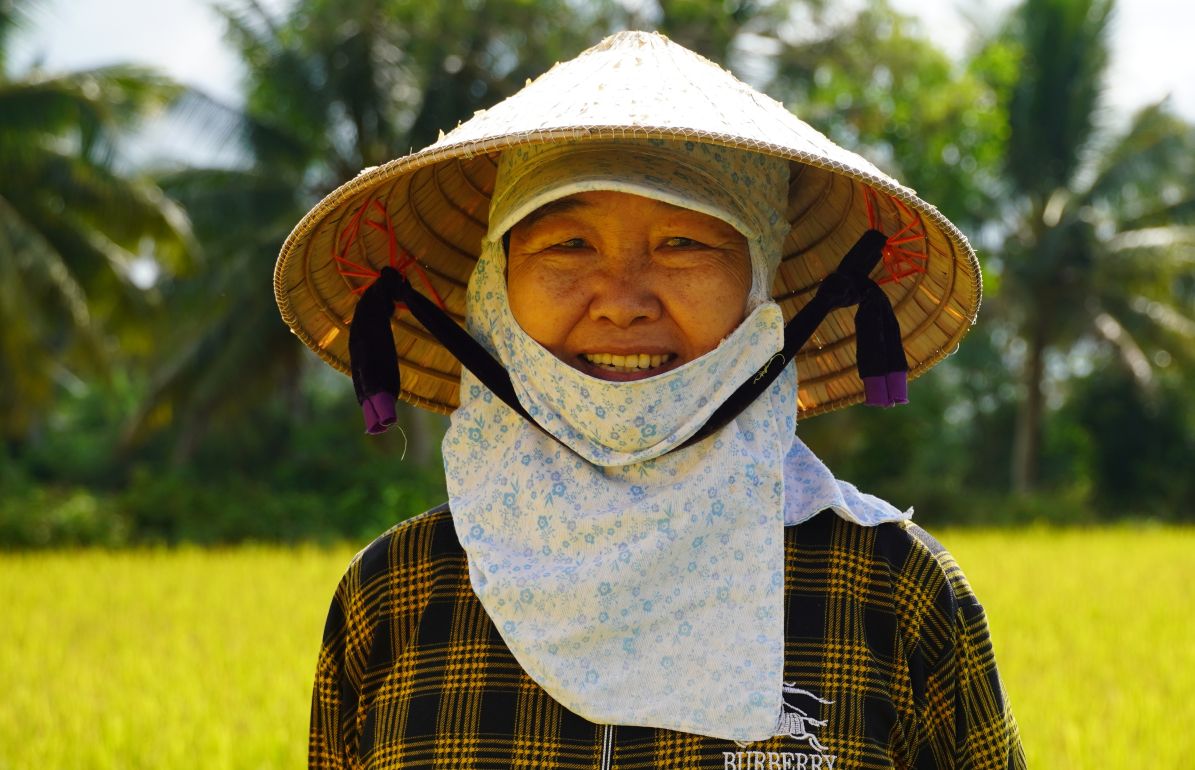
Also attached to ST rice for more than 20 years, Ms. Hua Thi Tuyet Mai currently has 5 hectares of all ST25 varieties. According to her, cultivating ST25 by machine transplanting method helps the fields to be ventilated and easier to care for than spawning.
Sowing is thick in some places and sparse in others, easily affected by rice blast. Planting evenly, we take better care of the plants," she shared.
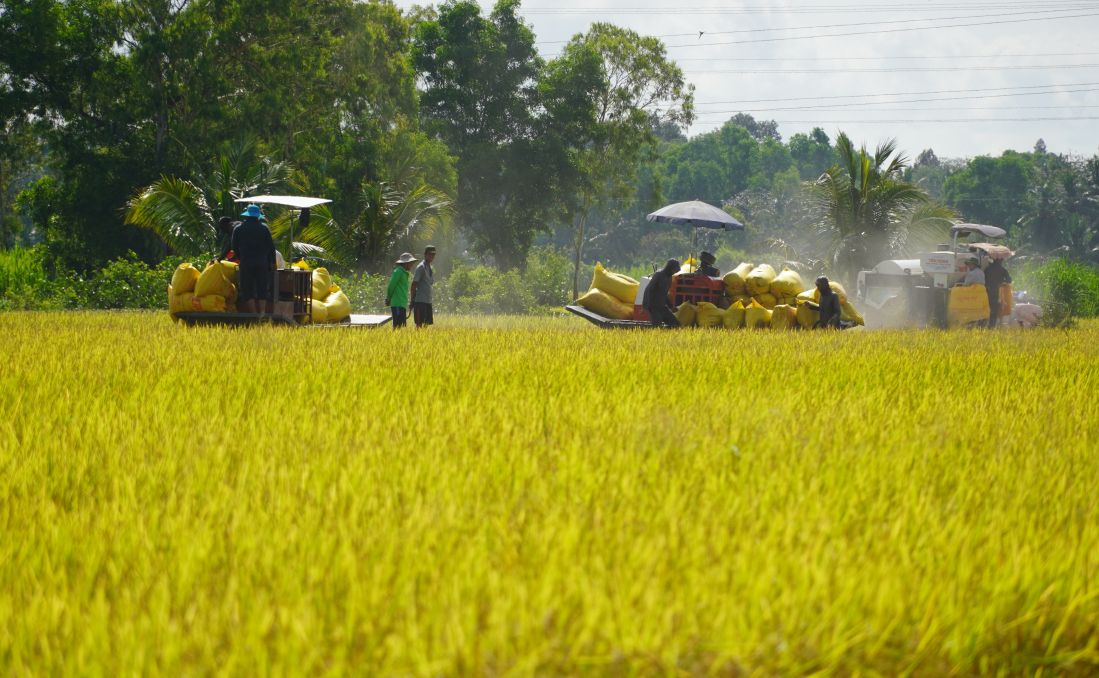
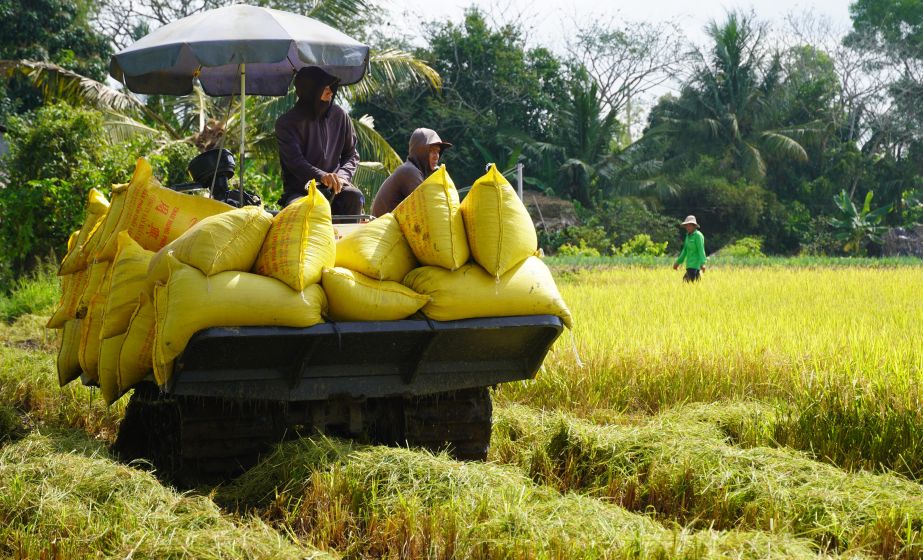
Ms. Mai said that currently, most stages are mechanized. Spraying chemicals with drones, harvesting with combine harvesters, her family also invested in 2 transplanters to both serve the fields and houses, and provide services for people in the commune. Thanks to proactive machinery, production costs have been significantly reduced.
Similarly, Mr. Tiet Chung, who has also been associated with ST rice varieties for more than two decades, believes that growing rice seeds is not too difficult if farmers are willing to learn and accumulate experience.
Looking at it, you know what disease it is, what pest it is. What the hot and cold weather is like, I plan in advance. Working hard and getting used to it, I understand all the characteristics of this rice plant," he shared.
According to Mr. Chung, ST lines have the advantage of few pests and diseases, and light fertilizer demand. Thanks to that, farmers reduce costs while the yield is still stable. The purchase price is always about 2,000 VND/kg higher than ordinary rice and has been stablely consumed for many years.
Capital ST25
From a village on the outskirts of Soc Trang City before, Dai Tam has now become an important raw material area for ST rice. The linked area has expanded to many neighboring areas. Dai Tam area alone still maintains more than 500ha of ST24 and ST25 seed production in a closed chain.
This Winter-Spring crop, ST25 rice is priced at 9,000 VND/kg by businesses, with an average yield of over 7 tons/ha. Each hectare yields a profit of about 25–30 million VND. On average, 2 crops per year, rice seed farmers can make a profit of 50–60 million VND/ha, 10–15% higher than ordinary rice.
Mr. Nghia said that thanks to ST rice, many leaf houses have been replaced by solid brick houses. Farmers' children are invested in education and have stable jobs. The gap in living standards between rural and urban areas is gradually narrowing.
We have been associated with ST variety for more than 20 years, with enough experience and passion. The products we produce are trusted by domestic and foreign markets, which is a great pride of farmers," Mr. Nghia expressed.


