The air filter in the cabin is one of the small details but plays an important role in the health of car users.
This part is responsible for cleaning the air before air from outside passes through the air conditioning and ventilation system to enter the passenger compartment.
During operation, the cabin air filter helps retain dust, smoke, odors, pollen, allergens and many other pollutants. Thanks to that, people sitting in the car can breathe cleaner air, especially when traveling in crowded cities or areas with high levels of pollution.
Many people often confuse the cabin air filter with the engine air filter. In fact, these are two completely different parts. The engine air filter is located under the hood and has the task of cleaning the air before putting it into the combustion chamber. Meanwhile, the cabin air filter only serves to filter air inside the passenger compartment.
The filtering efficiency of the cabin air filter depends on the quality of the product. Basic filters can retain most common dust, while higher-end products are capable of handling microdust particles and unpleasant odors.
Some samples use activated carbon to increase deodorizing capacity, while HEPA-standard filters (a technical standard for the efficiency ratio of air filter membranes) can remove up to 99.97% of dust particles, pollen, mold, bacteria and particles with a size of 0.3 microns or more.
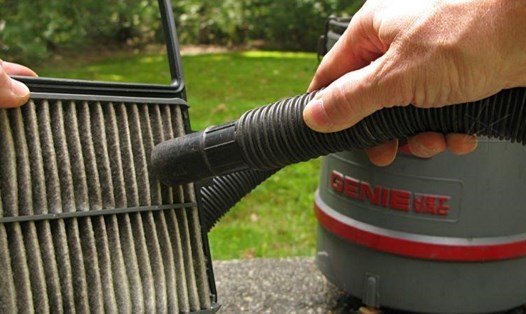
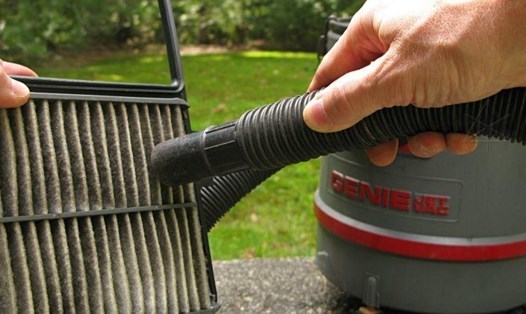
Like many other filters, the cabin air filter needs to be replaced periodically. Over time, accumulated dust reduces air circulation and reduces the cleaning efficiency of the air conditioning system. If the filter continues to be too dirty, the air quality in the car may be significantly affected.
The replacement cycle depends on operating conditions, vehicle usage frequency and filter quality. Manufacturers often make specific recommendations in the user manual. However, users can proactively replace earlier if the vehicle regularly operates in a dusty or polluted environment.
Some signs that the cabin air filter needs to be replaced include: unpleasant odors from the air conditioning vent, weaker than normal airflow, or the fan system emitting unusual noise. This is often a sign of blockage due to excessive dust accumulation on the filter surface.
Replacing the cabin air filter is generally quite simple. On many car models, the filter is located behind the front storage compartment of the passenger seat and can be replaced with basic tools, even without supporting tools.
For those who are not familiar with technical operations, garages or auto parts shops can perform this work at a low cost.
Maintaining and replacing the cabin air filter at the right time not only helps the air conditioning system operate more efficiently but also contributes to protecting the health of the driver and passengers throughout the journey.