
Living heritage from the grassroots
The Don ca tai tu movement in Ca Mau is present in 94 communes, wards, and towns. Many localities such as Cai Nuoc, Thoi Binh, Phu Tan, U Minh, Bac Lieu... have strong development movements, maintaining regular activities in community clubs, families, and clans. The whole province has 750 clubs with over 5,000 actors participating.
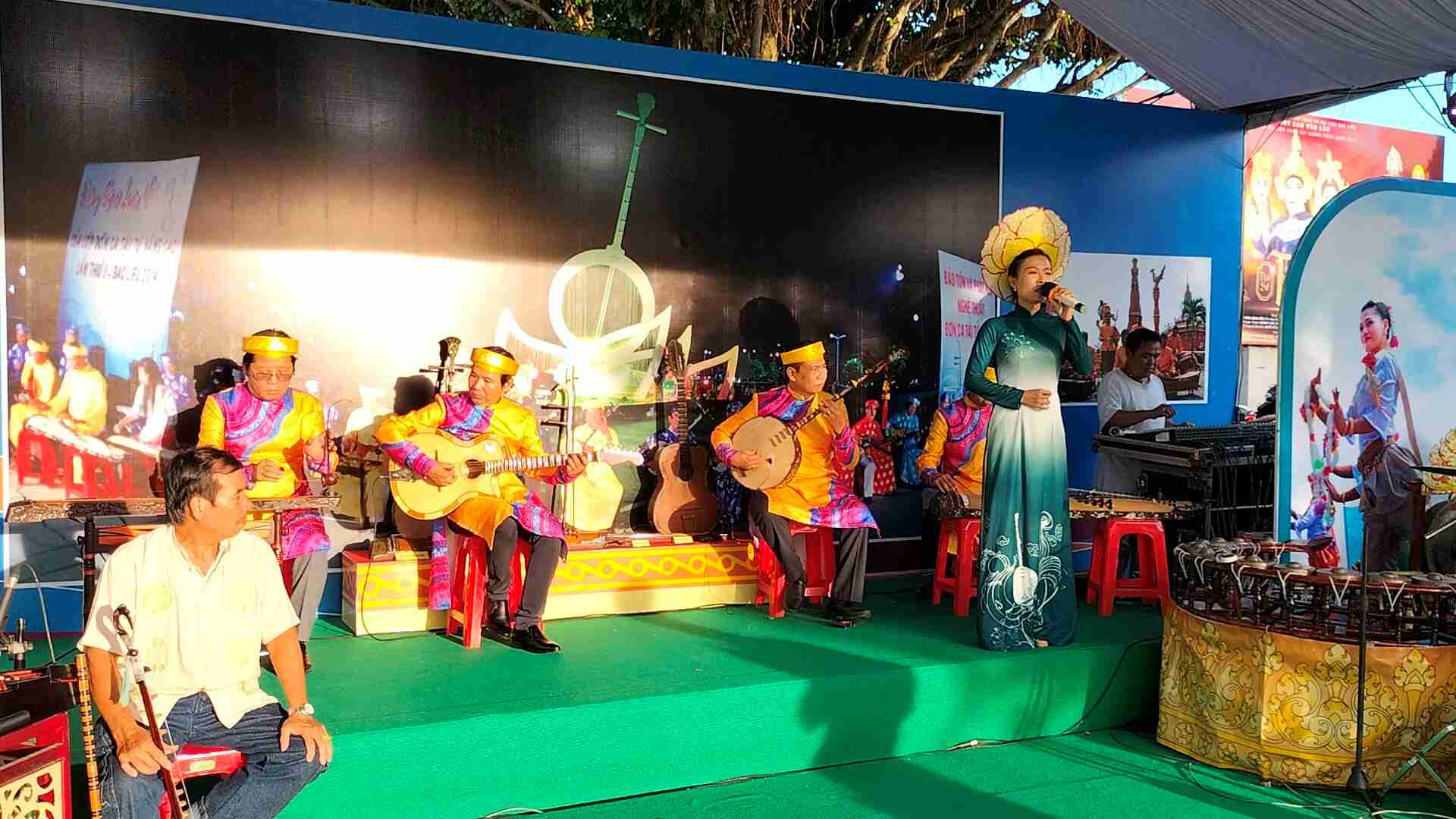
The special point of Don ca tai tu is that it does not depend on the stage, the players are mostly farmers, fishermen, small traders, retired officials - ordinary workers, associating the sound of the instrument with their livelihood. Without remuneration, without performance contracts, they come to Don ca tai tu as a way to relieve their thoughts and preserve the cultural traditions left by their ancestors.
Although the number of clubs and participants is large, a reality is that the current team of artisans and actors is mainly middle-aged and elderly. Young people participating are not many, lacking faces with enough passion and ability to continue for a long time.
Many players, few successors
In 2025, in the process of considering and recognizing typical artisans and clubs, the whole province only had one collective meeting the criteria, and no individuals were proposed through the council. This figure partly reflects the gap in quality successor forces.
The reason is not only the attractiveness of modern forms of entertainment, but also due to living, studying, and making a living conditions that make it difficult for many young people to pursue a type of art that requires time and effort but the income is insignificant.
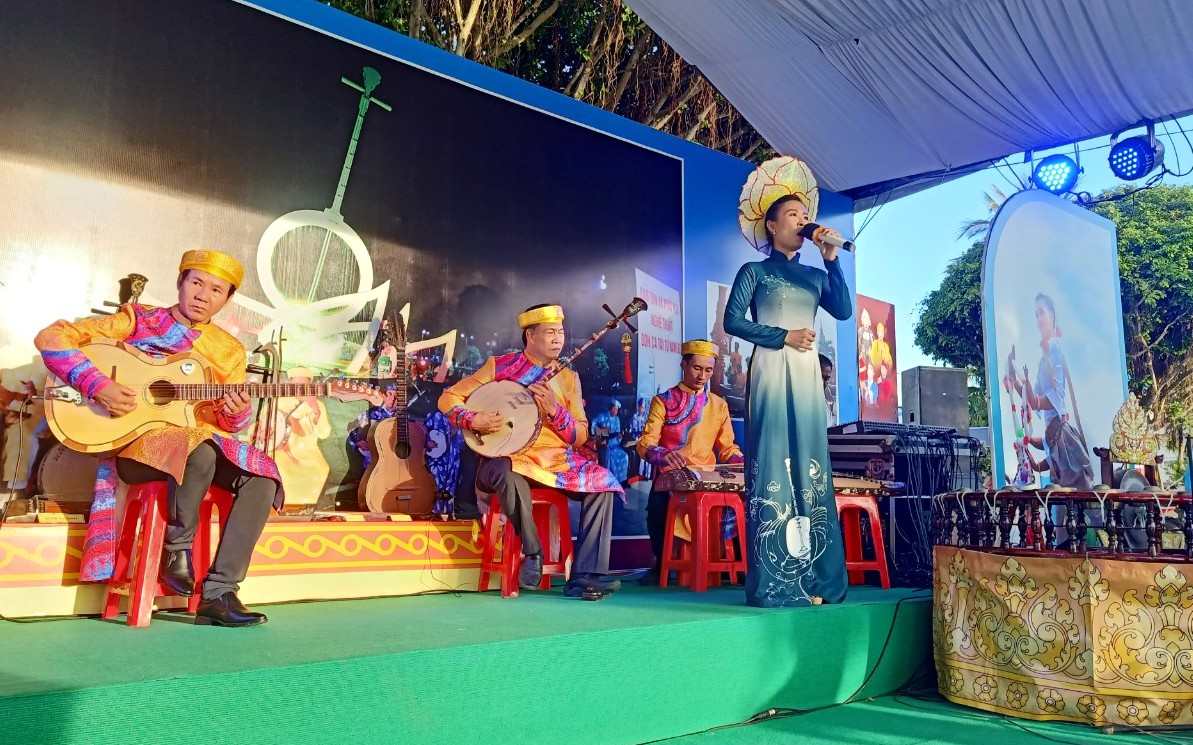
Faced with that situation, Ca Mau has implemented many solutions to retain and attract successor classes. Hundreds of Don ca tai tu teaching classes are organized in the period 2021-2025, attracting thousands of students. In particular, Don ca tai tu is introduced into teaching at 100% of high schools and integrated into extracurricular activities at many levels of education.
Deputy Director of Ca Mau Department of Education and Training Dang Tri Thu said: Bringing heritage into schools creates early access, forming a love for traditional culture for the younger generation. However, to go from "knowing" to "lasting commitment" is still a long journey.
Another direction being tested is to link Don ca tai tu with community tourism. Some clubs at tourist destinations have participated in performing to serve tourists, contributing to promoting local culture and creating additional income for artisans.
However, this activity is still experimental, lacks stability, and has not yet formed a unique cultural and tourism product with long-term spread.
Don ca tai tu in Ca Mau is not lacking in players, not lacking in clubs. What is still lacking is a successor class with enough passion, enough conditions to continue with the heritage.
Heritage only truly lives when there is a successor. Don ca tai tu, if it wants to resonate far, needs to be handed back to younger hands, from today's own life.
It's a bit of a bit of a bit of a bit of a bit of a bit.


