
On August 14, Kenan Foundation Asia in coordination with the Department of Education and Training of Bac Ninh province organized the Camp "For a Green Planet" 2026, with the companionship of the Schneider Electric Foundation and Schneider Electric Vietnam.
The camp is a key activity within the framework of the "For a Green Planet and AI Education - Creating the Future" project, attracting 200 students and 16 lecturers from 16 colleges and vocational secondary schools in Bac Ninh province.
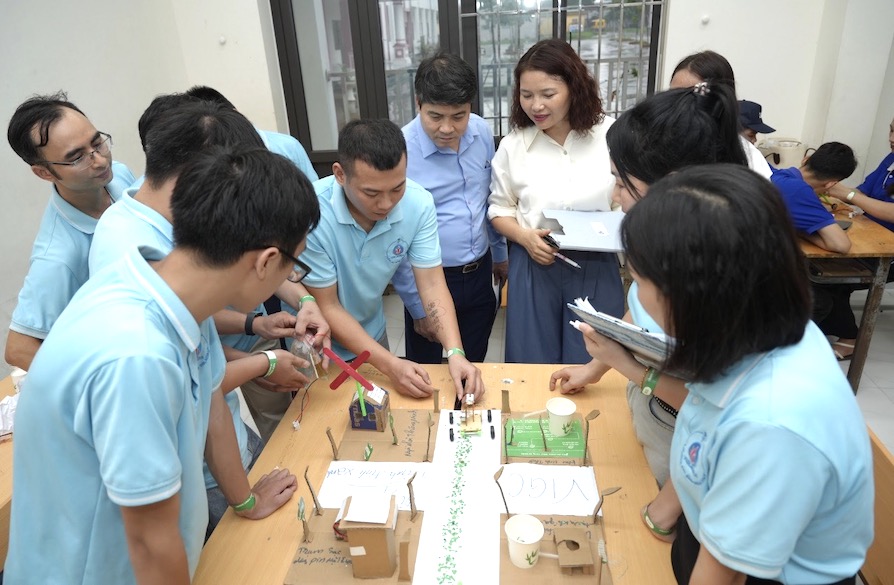
Here, students have the opportunity to access project-based learning methods, while developing professional knowledge and essential competencies such as critical thinking, creativity, cooperation and problem solving.
In the "Green Engineer" content, students design and manufacture STEM models to solve environmental problems; while "Green Leaders" focus on building projects and solutions to reduce emissions and use energy efficiently.
Each team has 70 minutes to implement the product or complete the project, then present, answer questions and defend the solution before the judges. There are 8 best teams in the final.
Speaking at the program, Mr. Richard Bernard, Chief Representative of Kenan Foundation Asia in Vietnam, said that two years ago, project-based learning was still a fairly new method in many partner colleges and vocational secondary schools.
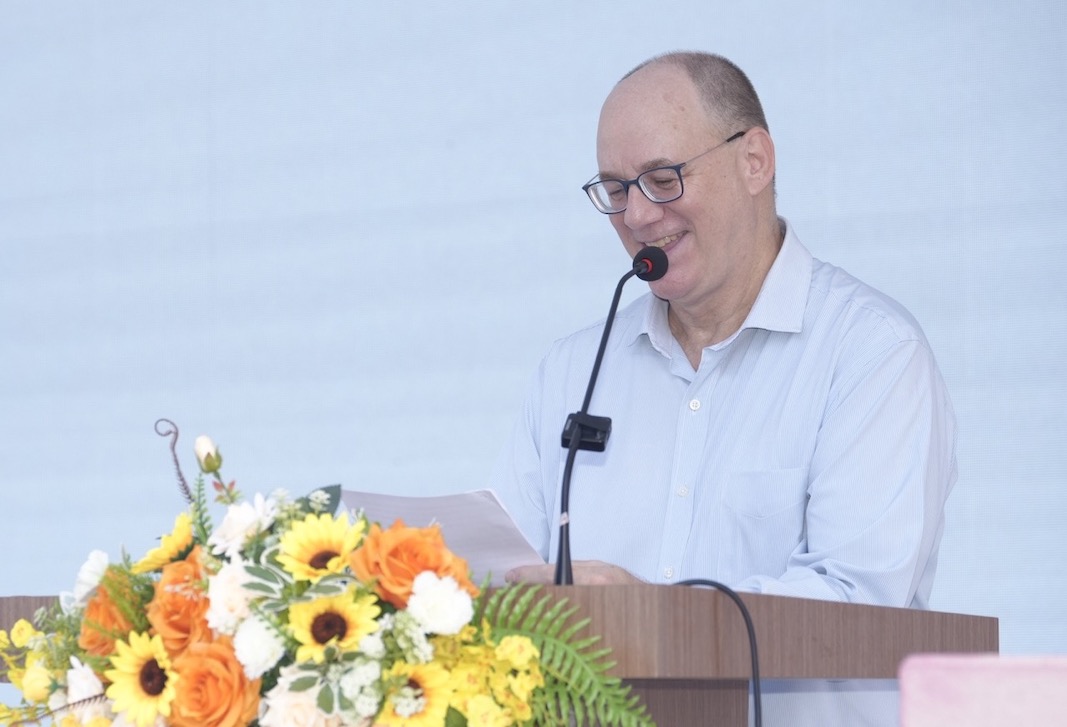
To date, with the professional support of Kenan experts, 16 schools have gradually integrated this method into the curriculum through a standardized lecture system.
According to Mr. Richard Bernard, the most notable result is that hundreds of students have confidently mastered their thinking, proactively designed solutions and developed products instead of passively receiving knowledge.
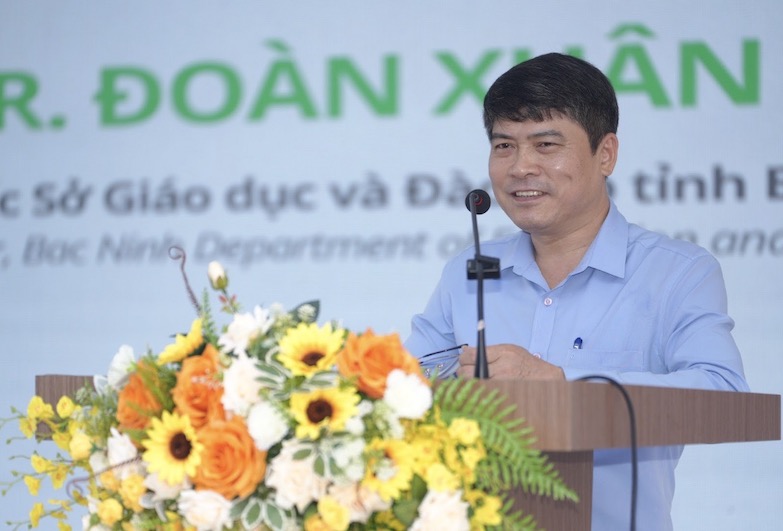
Mr. Doan Xuan Thanh, Deputy Director of the Department of Education and Training of Bac Ninh province, assessed that the camp not only evaluates the results of participating teams but also contributes to recognizing the effectiveness of project implementation cooperation at vocational education institutions in the past time.
Through the project, the teaching staff is enhanced in their ability to integrate environmental protection content, economical and efficient energy use into vocational training programs; and at the same time promote project-based learning methods and create conditions for students to access STEM education associated with the environment.
This activity contributes to developing creative thinking, soft skills, and strengthening connections, exchanges, and learning between colleges and vocational secondary schools participating in the project" - Mr. Doan Xuan Thanh emphasized.


