
In recent years, Vietnamese cinema has recorded a trend of exploiting folk linh dị material through works such as "Quỷ cẩu", "Linh miêu" and "Heo năm móng". This is considered a direction to find a unique identity, as filmmakers are starting to pay more attention to the treasure of local culture.
The movie "Heo Nam Mong" is built from the Southern folk legend about the phenomenon of "Heo Nam Mong", which is associated with spiritual beliefs such as karma, reincarnation. From this foundation, the crew develops into a film story with the goal of not only creating horror elements but also approaching the spiritual life of people. According to the screenwriting team, exploiting spiritual elements requires understanding and practical contact with the cultural community, instead of just relying on materials.
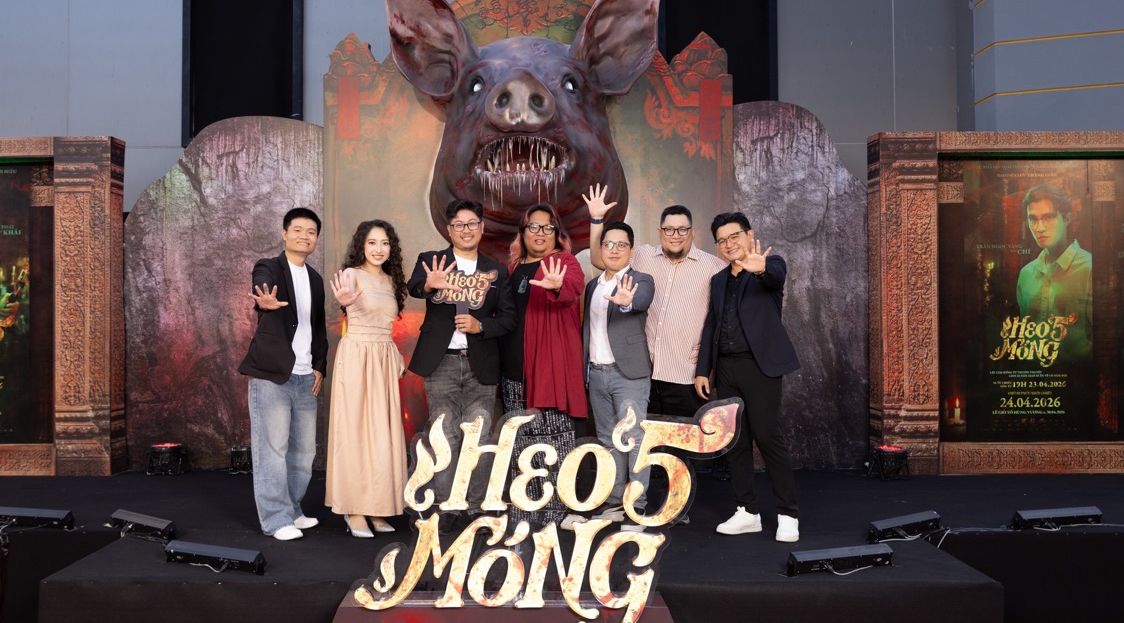
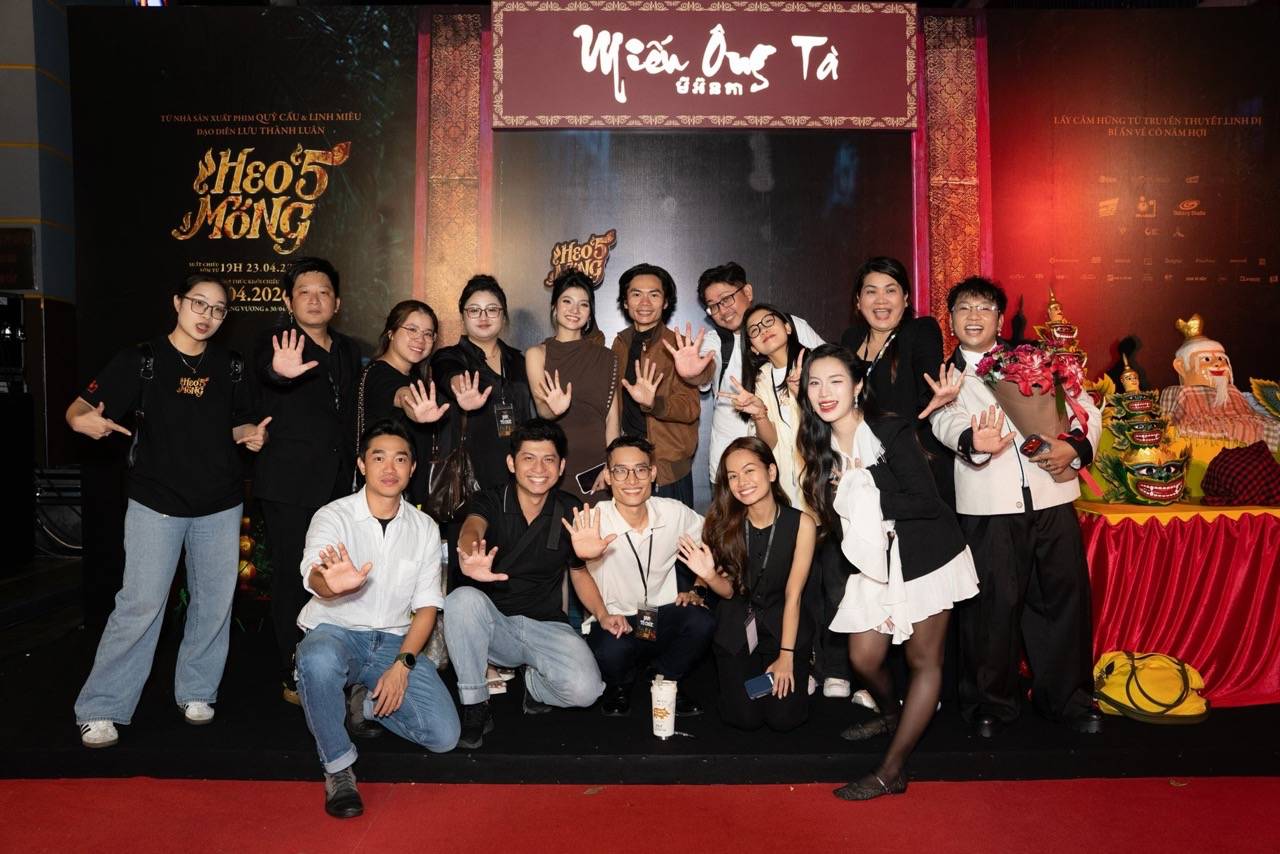
A noteworthy point is how the film incorporates cultural elements into the story structure. Details related to folk beliefs, Khmer Southern Buddhism or traditional performance forms are integrated to create a unique space. These elements are not only illustrative but also contribute to shaping the psychology and actions of the characters.
In addition, the movie "Heo Nam Mong" also shows the trend of expanding content when combining spiritual elements with modern issues. According to the crew, the story does not focus entirely on supernatural elements, but aims to reflect the consequences of human choices and actions. This approach partly adds a layer of meaning to the work, instead of just stopping at genre elements.
Overall, the journey from the films "Quỷ cẩu", "Linh miêu" to "Heo năm móng" shows the movement in the approach to folk linh dị themes of Vietnamese cinema. The combination of cultural elements and cinematic language is being tested in many different directions, in order to meet the increasingly diverse needs of audiences.


