
At Khuong Dinh Ward Health Station (Hanoi), health care and rehabilitation models are being implemented for people with disabilities, vulnerable people, the elderly and autistic children. People can access services right in their locality, reducing travel time and costs and reducing pressure on upper-level hospitals.
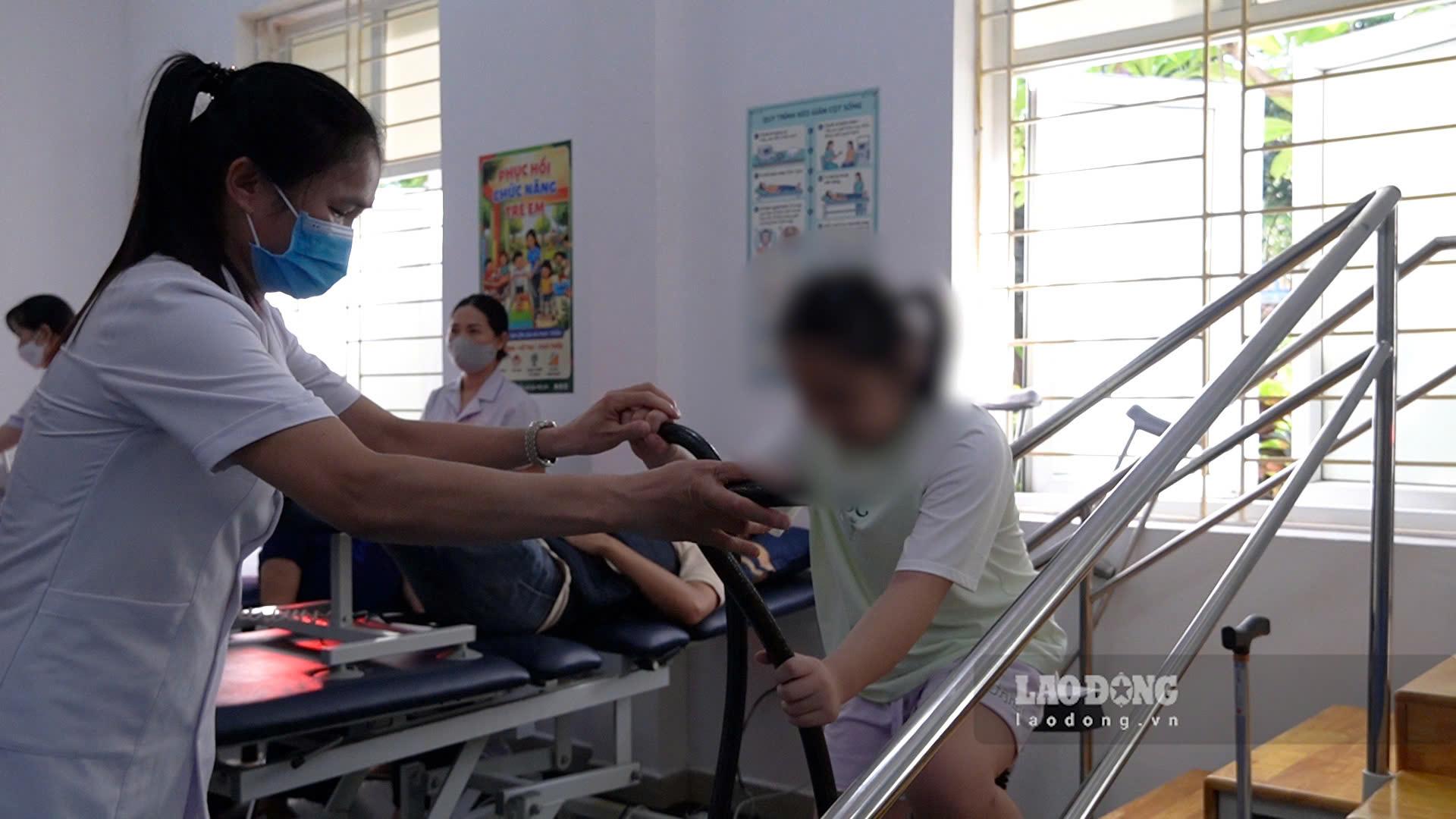
Ms. Pham Thi Vinh, a resident of Khuong Dinh ward, said that her grandchild suffers from whole-body stiffness cerebral palsy. The family has taken her grandchild for treatment and rehabilitation at the National Children's Hospital and Hanoi Rehabilitation Hospital for 4-5 years. Currently, she can walk but still cannot speak.
When she learned that the health station was implementing the model, she took her grandchild for examination and training.
I find the equipment here quite complete, the exercises are in line with the protocol she is following. Practicing right at the health station helps the family save time, travel costs and reduce hardship," Ms. Vinh shared.
In addition to rehabilitation, the model also strengthens the role of grassroots health care in managing and caring for people's health. Elderly people and people with chronic diseases are monitored, treated and guided to exercise right at their place of residence.
Ms. Le Thi Dung, a resident of Khuong Dinh ward, suffers from many diseases such as cardiovascular disease, high blood pressure, diabetes, dyslipidemia and polyarthritis.
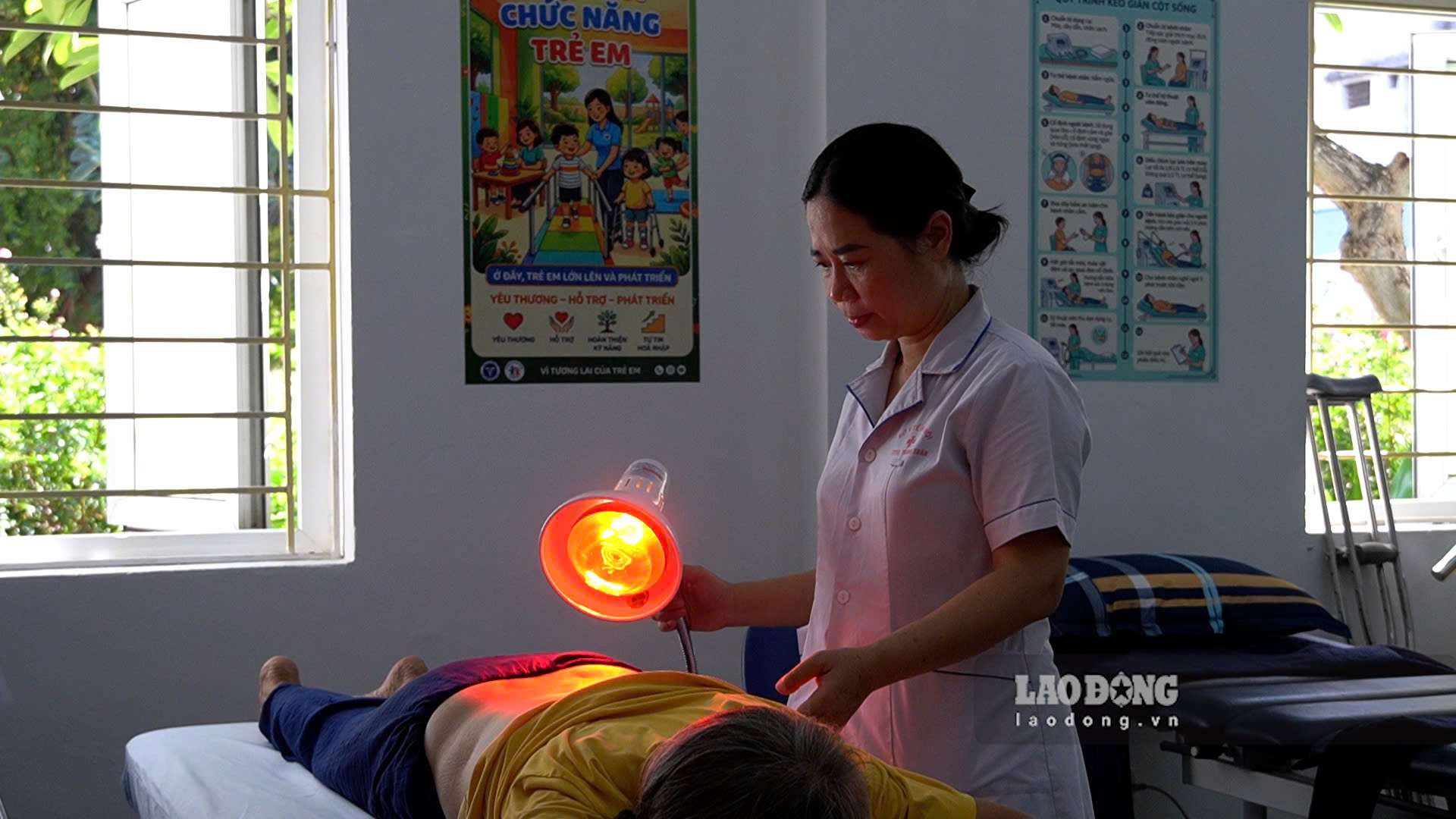
Today I was exposed to infrared and practiced spinal traction. After the practice session, I felt more comfortable and less painful. Elderly people like us are cared for right in our locality, which is very convenient," Ms. Dung said.
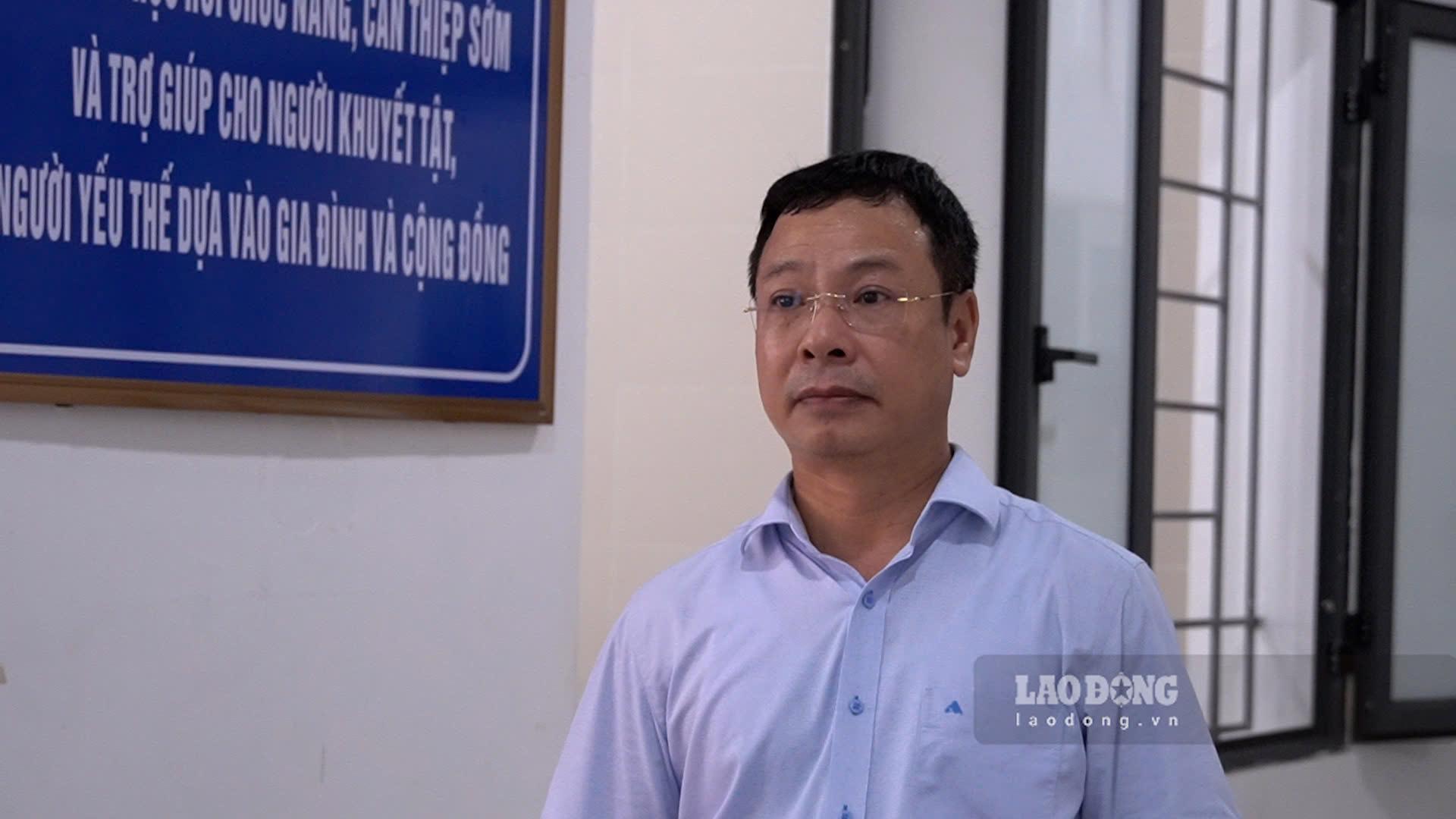
According to Dr. Nguyen Minh Hai, Director of Khuong Dinh Ward Health Station, the implementation of the model aims to concretize Resolution No. 72 of the Politburo on improving the quality of people's health care.
The service is delivered to the community to help patients reduce costs, reduce travel time and reduce the burden on their families. This is also a solution to contribute to ensuring social security and improving the quality of healthcare at the grassroots level," Mr. Hai said.
In addition to treatment at the station, doctors and nurses also go to patients' homes to guide them and their relatives to perform rehabilitation exercises. This method helps patients maintain regular exercise, soon restore mobility and integrate into life.
According to Mr. Hai, in the coming time, the health station will continue to collect people's opinions to improve the model, and at the same time strengthen the training of staff to improve the quality of rehabilitation in the community.


