
Textile and garment enterprises accelerate investment in new technologies
At the event "Technological Breakthrough, Shaping the Future of Garment: Introducing HIKARI New Generation Textile Technology" co-organized by Phon Thinh - Tae Gwang Co., Ltd. and HIKARI, Mr. Vu Duc Giang - Chairman of the Vietnam Textile and Apparel Association (VITAS) assessed that Vietnam's textile and garment industry is facing three major challenges.
These are global geopolitical fluctuations affecting trade; the requirement to improve business internal strength to adapt to rapid market changes; and increased production costs pressure, especially when Middle East tensions cause many inputs to increase in price.
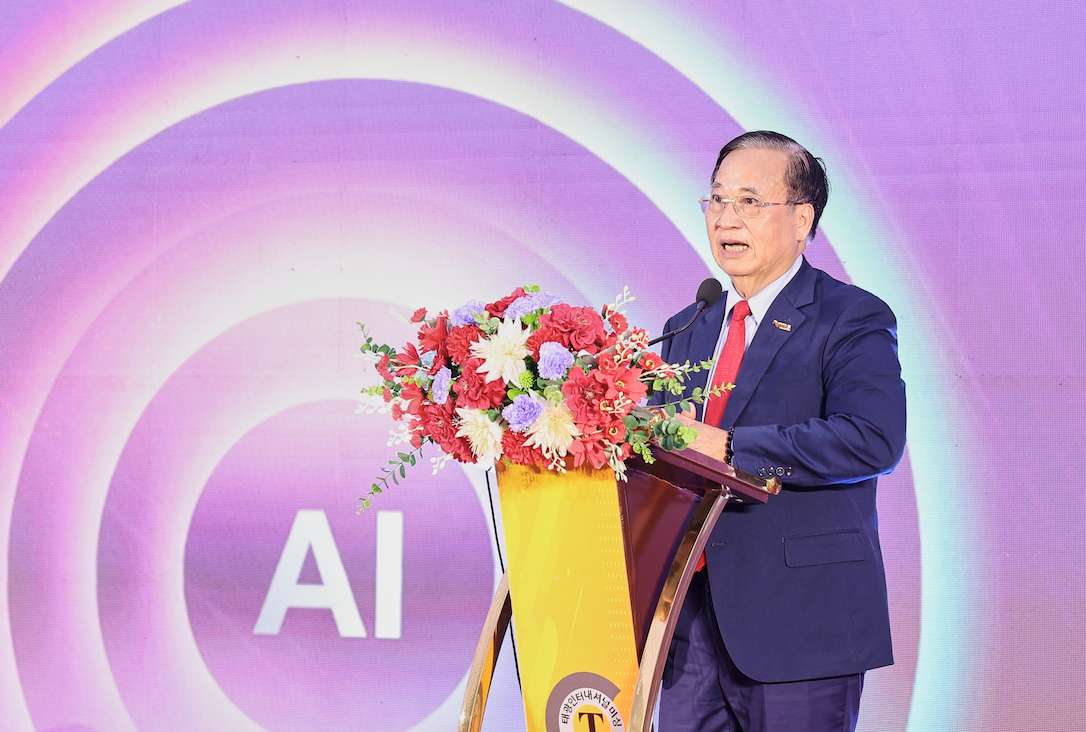
Talking to Lao Dong Newspaper on the sidelines of the event, Mr. Giang said that to overcome challenges, businesses must clearly identify the global context to determine appropriate development directions. Promote proactiveness and flexibility in the face of international fluctuations. "In particular, businesses need to invest heavily in technology, infrastructure and AI to meet increasingly high order requirements" - Mr. Giang emphasized.
Assessing the need for equipment and technology innovation of textile and garment enterprises, Mr. Nguyen Van Tiep - Deputy General Director of Phon Thinh - Tae Gwang Co., Ltd. said that not only domestic enterprises but also FDI enterprises in Vietnam, as well as in the world, are trending towards promoting investment in equipment replacement.
Along with the rapid development of technology and the requirement to adapt flexibly to orders, delivery times are increasingly shortened. This forces businesses to upgrade equipment systems to improve productivity and market response capacity. The prominent trend of the textile and garment industry today is the double transformation - both greening and digitizing in production" - Mr. Nguyen Van Tiep said.
Accelerating the application of AI and IoT in manufacturing
Vietnam's textile and garment industry has built its position in the group of leading garment exporting countries. However, in the face of rapid changes in technology and markets, businesses need to promote technological innovation and move towards smart factory models.
Mr. Wu Liang Jie - Chairman of HIKARI (Shanghai) Precise Machinery Science & Technology Co., Ltd. said that the world context is changing rapidly, while new technologies in the textile and garment industry are constantly being updated. "Vietnam's textile and garment industry is facing many challenges in innovating to continue maintaining its position" - Mr. Wu Liang Jie assessed.

Agreeing with this view, Mr. Yeo Gwang Tae - Chairman of Phon Thinh Co., Ltd. - Tae Gwang said that the textile and garment industry is facing pressure to increase labor costs, the shortage of highly skilled labor... The trend of building smart factories is also opening up strong changes. In that context, the competitiveness of businesses is no longer decided by how much they produce, but by the ability to operate effectively and intelligently.
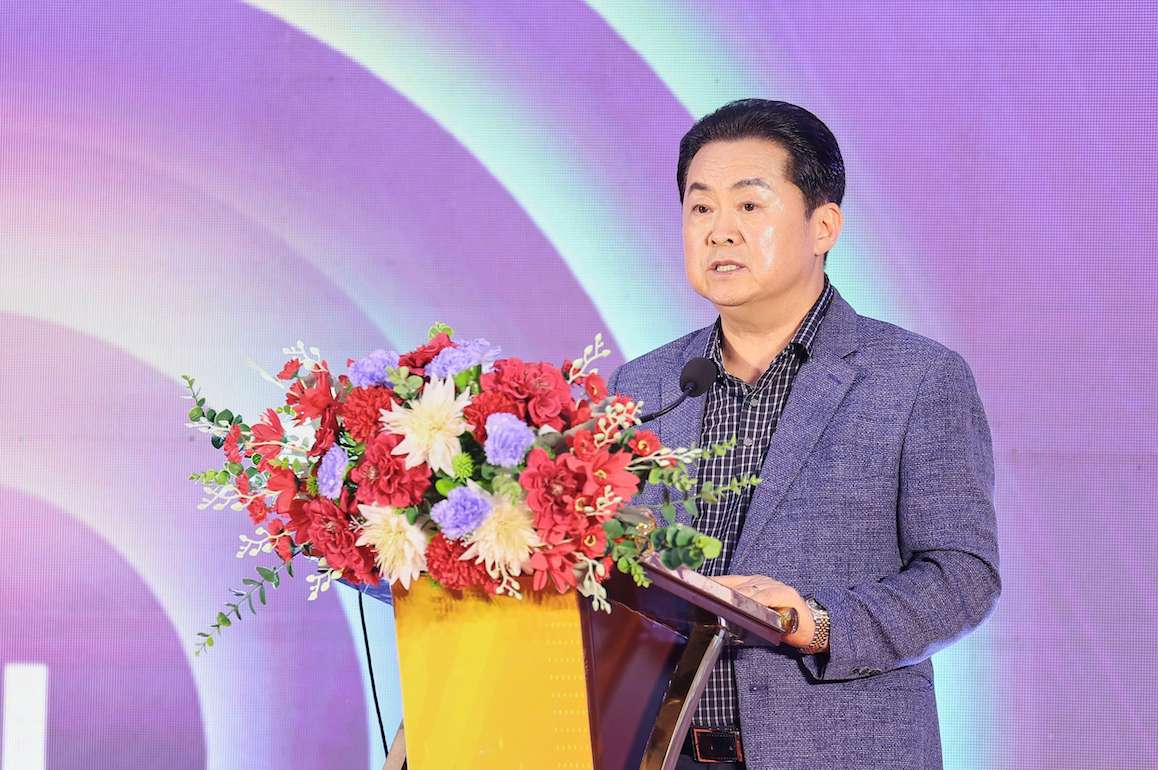
When bringing automation and digitization machines to the Vietnamese market, representatives of Phon Thinh Co., Ltd. - Tae Gwang said that the biggest difficulty is the readiness of factories to receive them.
This is a common difficulty, not only us but most units providing solutions for the textile and garment industry are facing it. The important thing is that businesses need to clearly recognize the effectiveness of these technological solutions. When deciding to invest, business leaders and factory management boards must have consensus and determination to implement, then the transition process can be successful" - this person emphasized.


