
This is the first election at the village and residential group level after Lam Dong operated a two-level government model, contributing to consolidating the apparatus and improving grassroots management efficiency.
Democratic atmosphere from urban to rural areas
From the morning of July 26, at cultural houses, residential area halls and community activity points in the province, a large number of voters representing households participated in the election.
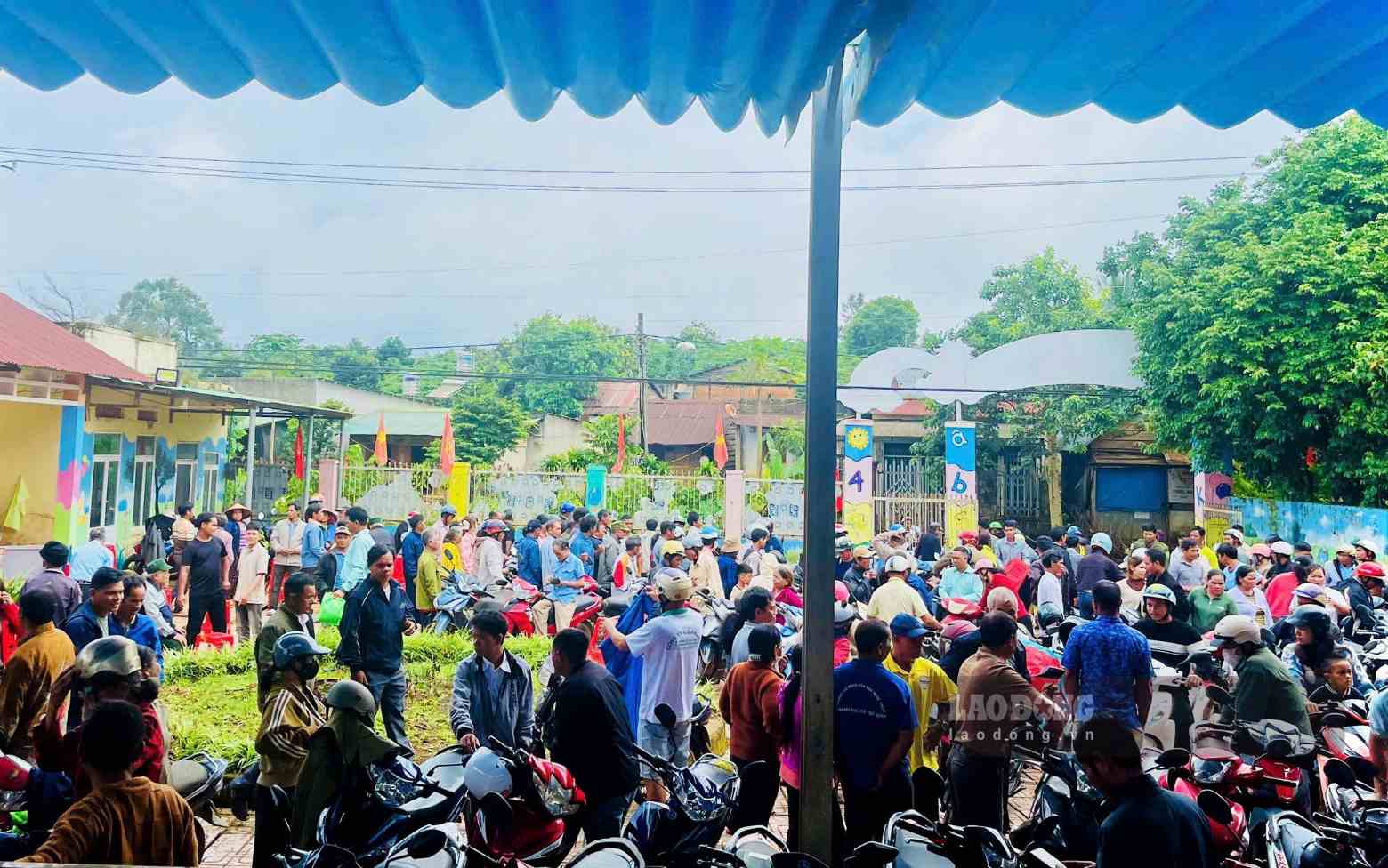
Preparations were completed by localities many days earlier, ensuring that the election took place in accordance with regulations.
In the Da Lat area, many voters believe that this is a particularly meaningful election after the locality expanded its administrative boundaries.
People expect those who are trusted to promote the role of a bridge between the government and the people.
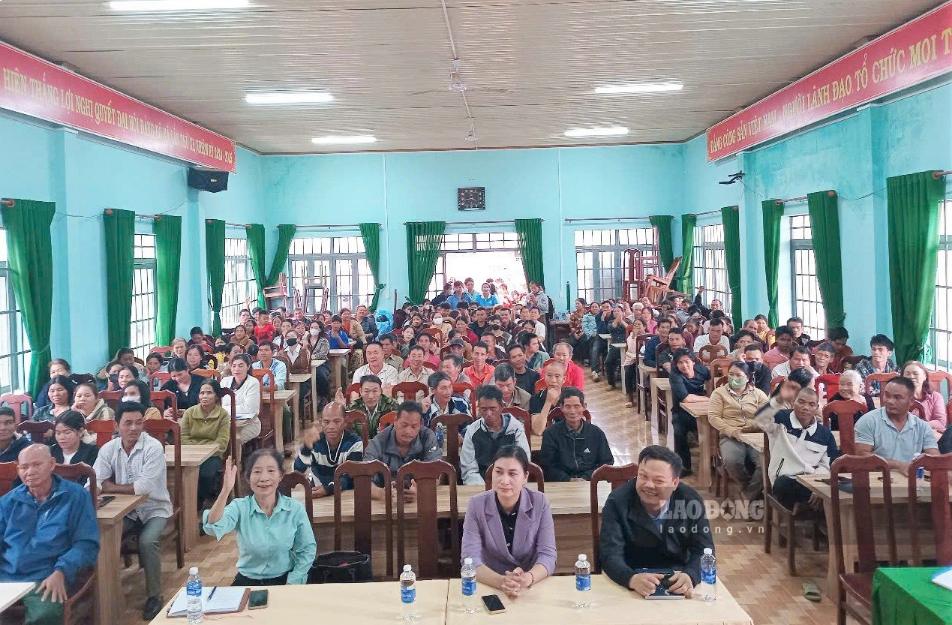
In Lam Vien ward, the election took place simultaneously in 17 residential groups. After arranging administrative units, the number of residential groups decreased from 49 to 17. More than 12,500 households participated in voting, and the election was completed according to plan.
Meanwhile, Bao Lam commune 5 simultaneously organized village head elections in 7 villages.
According to local leaders, this is an important political event at the grassroots level, demonstrating the direct ownership of the People in choosing community representatives.
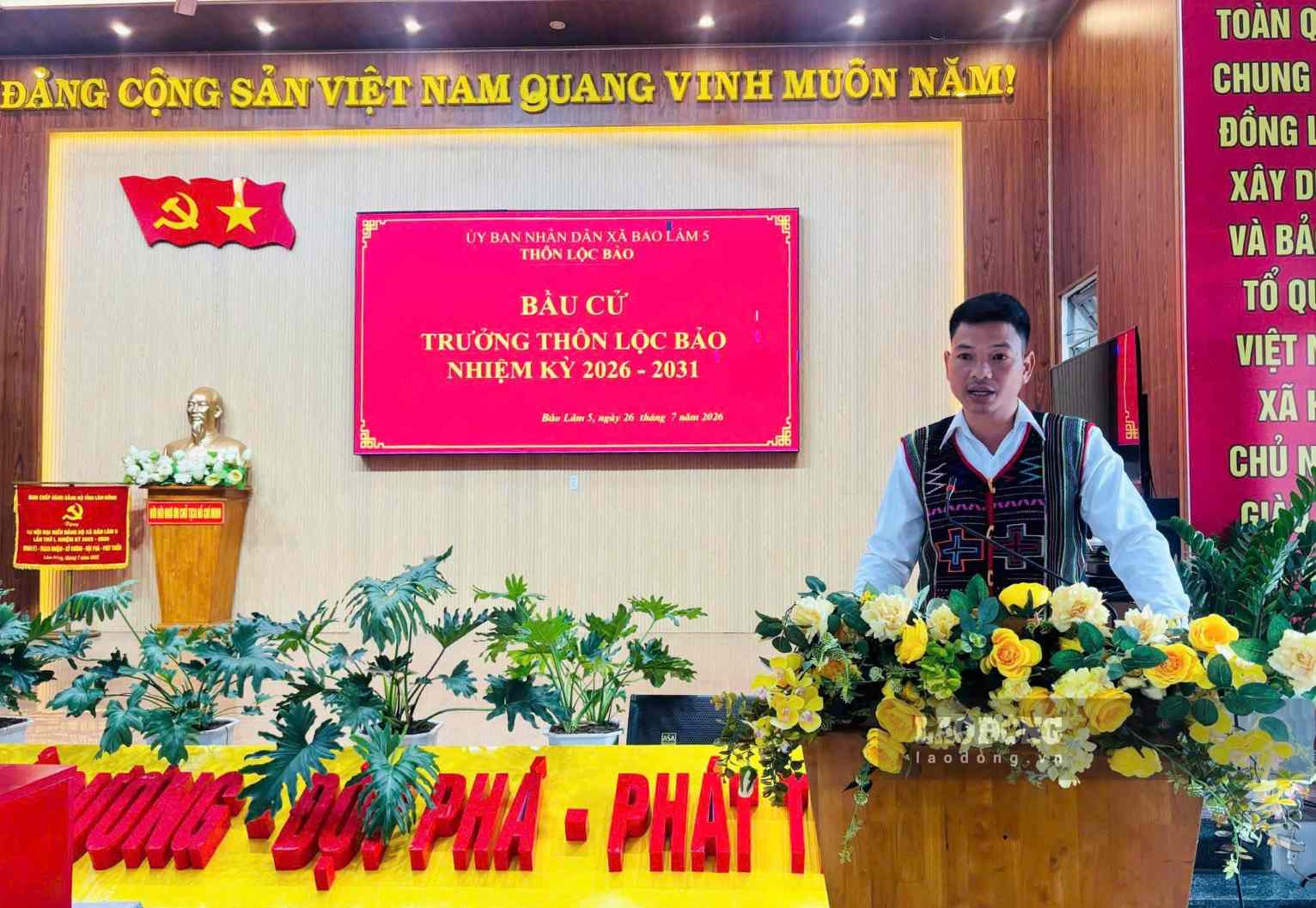
According to regulations, village heads and residential group leaders are the forces directly coordinating with the local government to manage the area, propagate policies and guidelines, mobilize people to participate in movements and maintain security and order.
Consolidating the apparatus at the grassroots level after the merger
In the eastern area of the province, polling stations in Phu Thuy ward, Son My commune and Ham Thuan Bac commune all recorded a large number of voters participating.
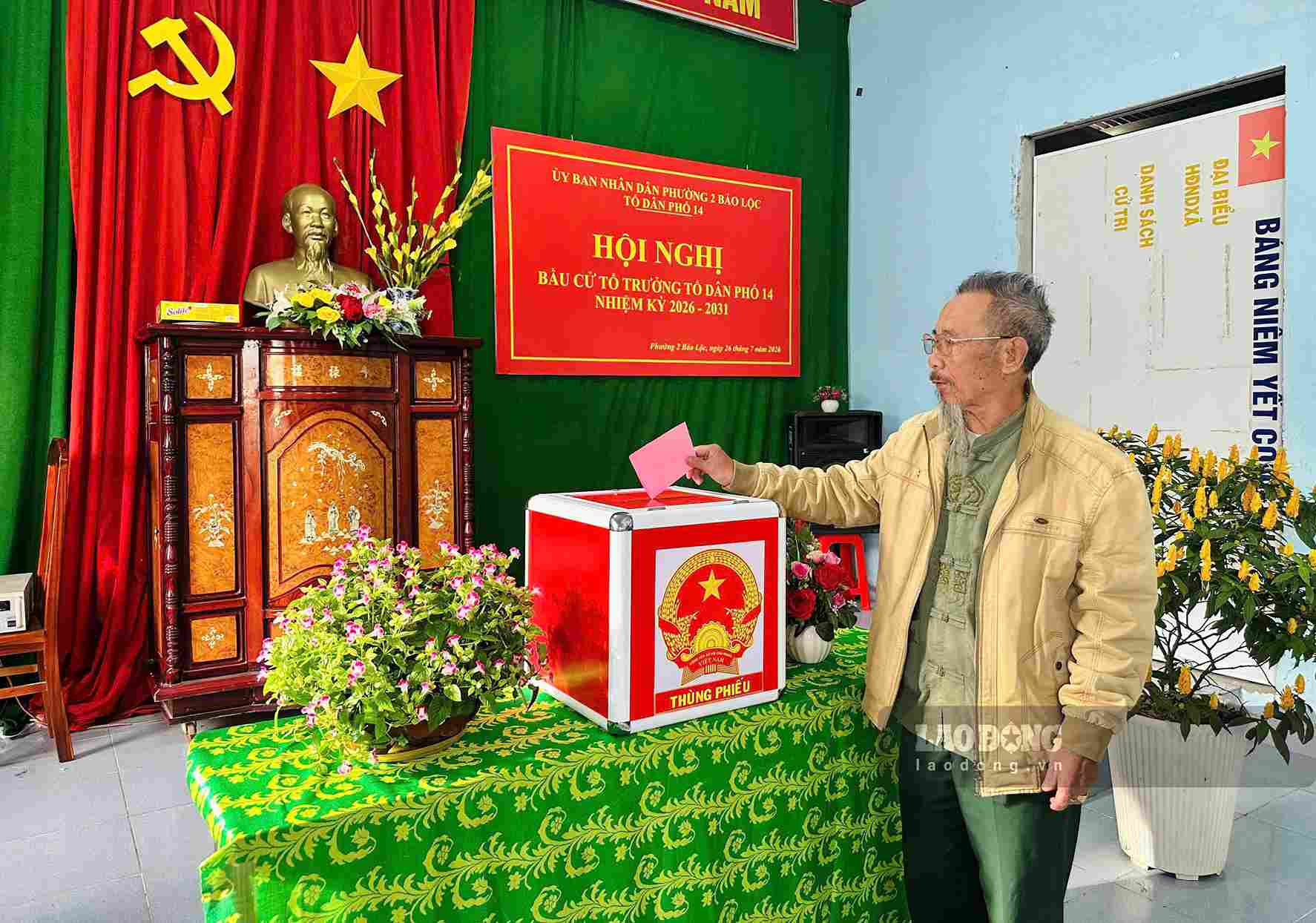
In residential group 4, Phu Thuy ward - a unit formed after the merger of neighborhood 6 and neighborhood 7 - many voters came early to attend the flag salute ceremony, listen to the dissemination of regulations and vote. This is the largest residential group in the ward with more than 1,600 households.
According to Chairman of Phu Thuy Ward People's Committee Nguyen Van Nghi, the locality is promoting propaganda in many forms to help people understand the rights, obligations and significance of the election. By noon on July 26, the voting in the area had been completed.
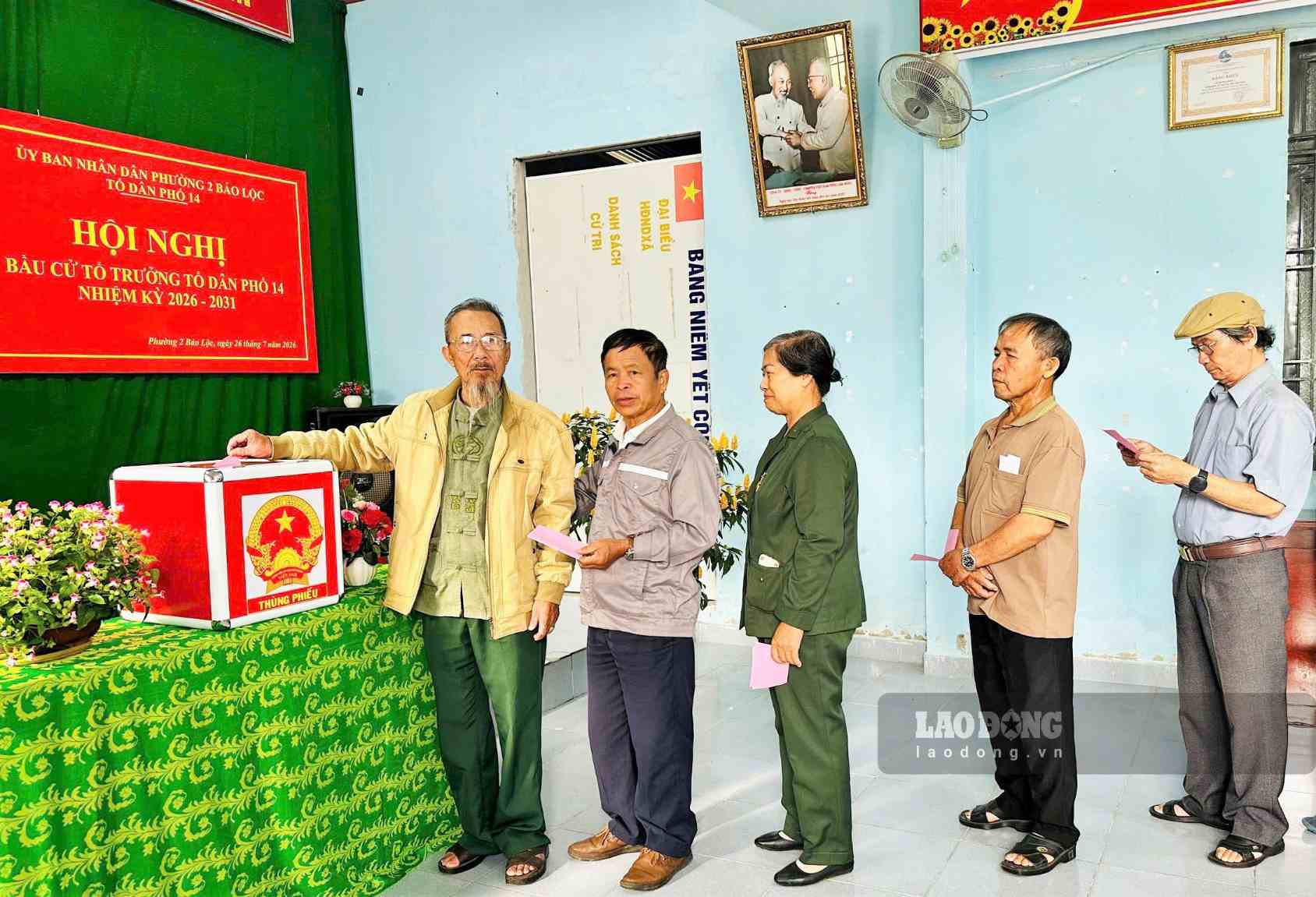
In Son My commune, 7 polling stations simultaneously opened from 7:30 am. After arranging administrative units, the locality reduced from 16 villages to 7 villages.
Meanwhile, Ham Thuan Bac commune has more than 7,000 voters participating in voting in 6 villages.
In the western area, Bac Gia Nghia, Nam Gia Nghia, Dong Gia Nghia wards and Kien Duc commune also simultaneously organized elections for village heads, hamlet heads, and residential group heads; many polling stations achieved a voter participation rate of 100%.
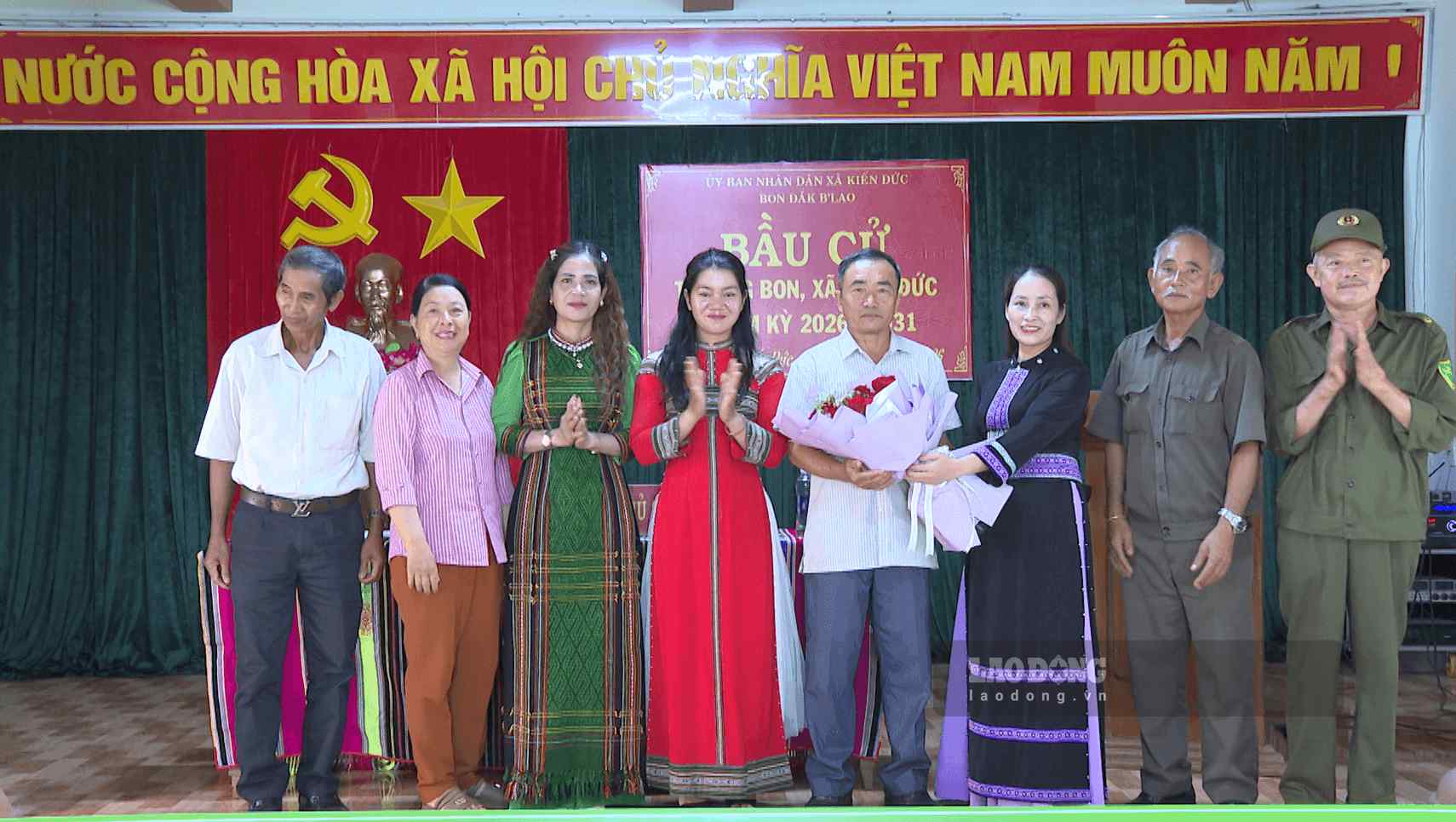
After arranging administrative units, Lam Dong province has 1,376 villages and residential groups. This election will elect all 1,376 village heads and residential group leaders for the term 2026 - 2031.
After announcing the results, localities will complete procedures to recognize the elected person to soon receive the task, promote the core role in managing and building residential areas.


