
On the morning of May 9, at Da Nang City Political School, more than 300 union members, workers, and laborers representing more than 220,000 union members in 1,776 grassroots trade unions in the area attended the meeting and dialogue between the National Assembly Delegation, the Chairman of the City People's Committee and trade union members and workers in 2026.
In the context that Da Nang and Quang Nam after the merger are opening up new development spaces, the recommendations of workers' voters not only reflect the immediate difficulties, but also set requirements for a social security policy system that is wide enough, close enough and practical enough for workers.
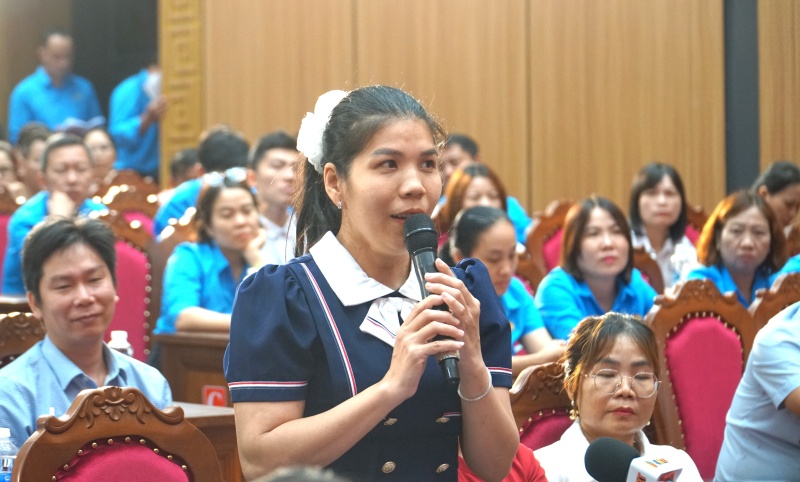
The issue mentioned by many workers is housing.
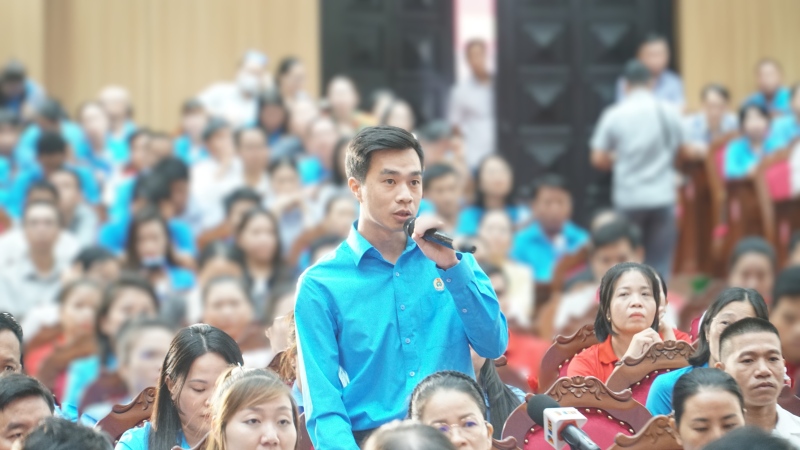
Ms. Phan Thi Kim Oanh, a worker at Mabuchi Motor Da Nang Co., Ltd., said that although the city has implemented social housing projects, the selling price and rental price still exceed the capacity of most workers. With an income of about 6-8 million VND/month, after paying for living expenses and raising young children, the accumulated amount remains very small. Many workers want to "touch the key" to their dream house, but are still blocked by financial pressure and complicated application procedures.
From the tourism industry, Mr. Nguyen Van Hai, Bac My An Tourist Area Joint Stock Company, reflected that many workers have submitted applications to buy social housing in many installments but have not been approved because the number of registrations is too large. Workers proposed that the city have solutions to quickly increase the housing fund, and at the same time study the allocation of targets by industry group, avoiding the situation of mass draws that make many people wait in vain.
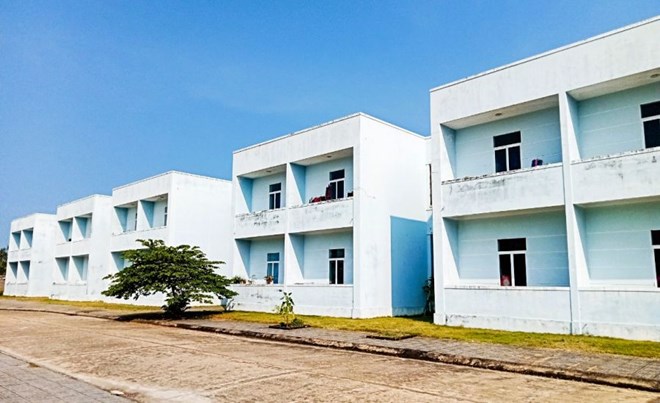
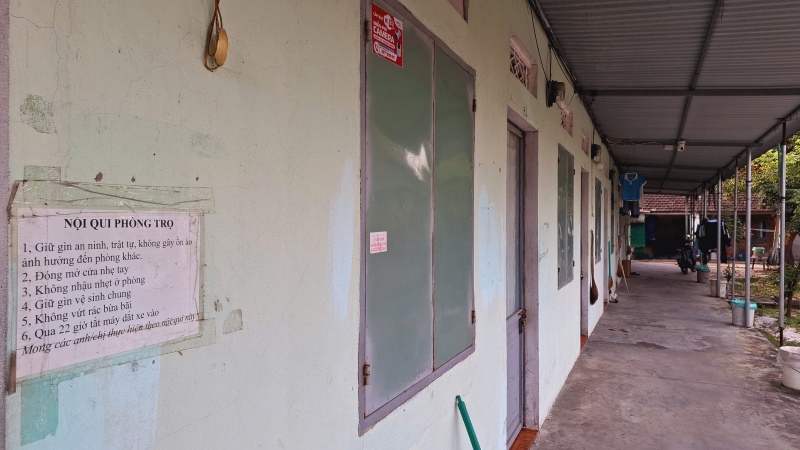
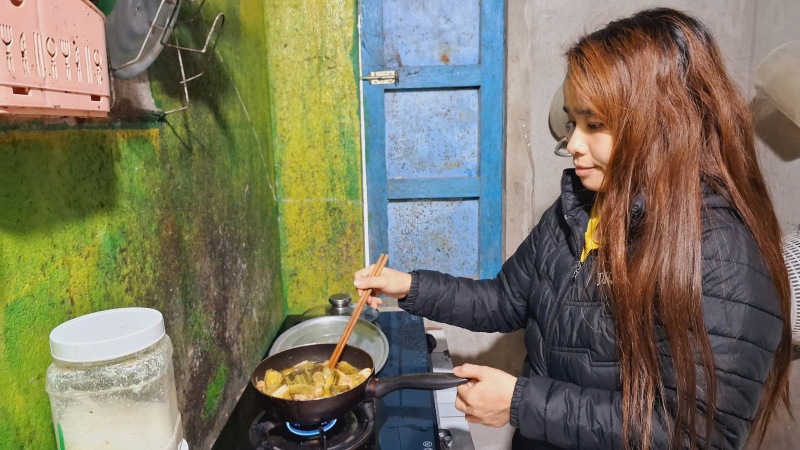
Not only social housing, the story of worker boarding houses is also raised fiercely.
Ms. Nguyen Thi Thanh Long, Keyhinge Toys Vietnam Co., Ltd., reflected that many boarding areas are degraded, cramped, electricity and water are unsafe, and the risk of fire and explosion is constant. Workers hope that the city will issue a set of boarding house standards, support boarding house owners to borrow capital to renovate infrastructure, stabilize rents, and at the same time have policies to support rent and electricity and water for workers in difficult circumstances.
After the merger, the social security problem for migrant workers needs to be considered more fully.
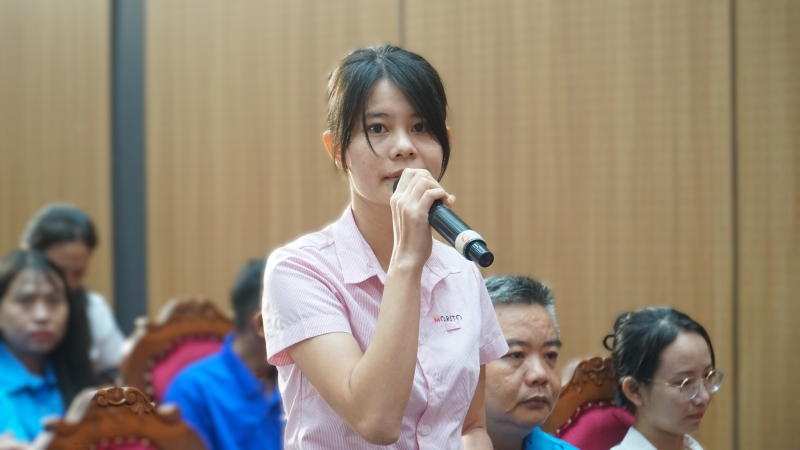
Ms. Nguyen Thi Hoa, Morito Da Nang Co., Ltd., pointed out the reality that some loan policies to buy houses, repair houses, send children to school, and treat diseases have not been opened to out-of-province workers, even though they are union members and are working and contributing in Da Nang. This proposal raises the question: should social security policies be based on household registration or based on the process of labor, attachment and actual contribution?
Mr. Le Ban Thien, Rieker Vietnam Shoe Company in Dien Nam - Dien Ngoc Industrial Park, said that the enterprise has more than 13,000 employees, of which more than 90% are female, and most are raising young children. What workers worry most every morning is not only the shift, but where to send their children. Workers proposed building more kindergartens, schools, and cultural activity areas right near the industrial park at a reasonable cost.
Notably, workers also raised long-term issues. Textile and garment workers worry that robots and AI will replace unskilled labor if there is no retraining program, skills improvement, and vocational conversion support. Grassroots trade union officials are concerned about the protection mechanism when they still receive salaries from businesses. Workers raise the issue of establishing a fund to ensure benefits to advance salaries and severance allowances when businesses go bankrupt and owners abscond; strictly handle the situation of prolonged social insurance debts that suspend workers' rights.
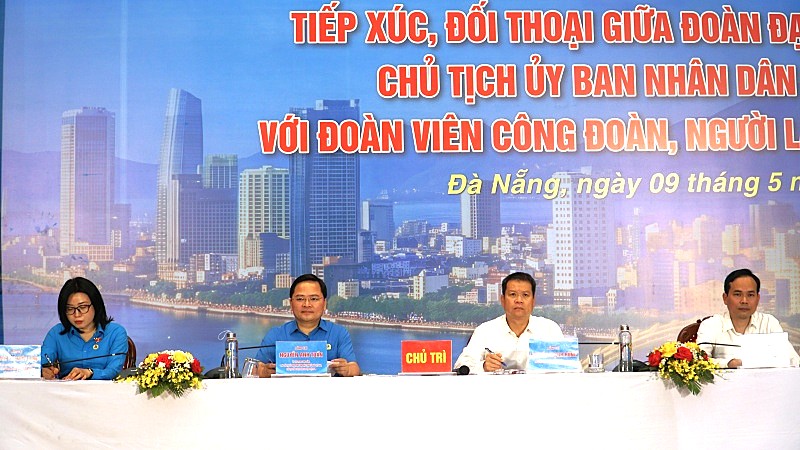
Speaking at the conference, Member of the Party Central Committee, National Assembly Deputy, Chairman of the Vietnam General Confederation of Labor Nguyen Anh Tuan emphasized - with the role of representing, caring for, and protecting the legitimate and lawful rights and interests of union members and workers, the Trade Union organization must closely follow the grassroots level, and not let workers' legitimate petitions be left open.
In the position of National Assembly deputy, the issues raised by workers are also an important basis to reflect to the National Assembly, contributing to perfecting policies on labor, employment, wages, insurance, housing and social security.


