
On March 18 in Hanoi, a scientific conference with the theme "New technologies in disaster forecasting and early warning" was organized by Agriculture and Environment Newspaper in coordination with the Department of Meteorology and Hydrology and the Community Fund for Disaster Prevention within the framework of activities in response to World Water Day (March 22) and World Meteorological Day (March 23).
Strong storms, increased extreme rain pose forecasting challenges

Speaking at the opening, Deputy Minister of Agriculture and Environment Le Cong Thanh emphasized that natural disasters in the world as well as in Vietnam are tending to increase in both frequency, intensity and extreme level under the increasingly clear impact of climate change.
Dangerous weather phenomena such as strong storms, localized heavy rains, flash floods, landslides, droughts and saltwater intrusions occur more and more frequently, causing serious damage to people's lives and socio-economic development.
In the period 2021 - 2025, Vietnam is on average affected by 10 to 12 storms and tropical depressions in the East Sea each year, along with hundreds of heavy rains, floods and other extreme weather phenomena. In just the last 5 years, natural disasters have caused more than 1,500 deaths and missing people, causing economic damage of up to hundreds of trillions of VND.
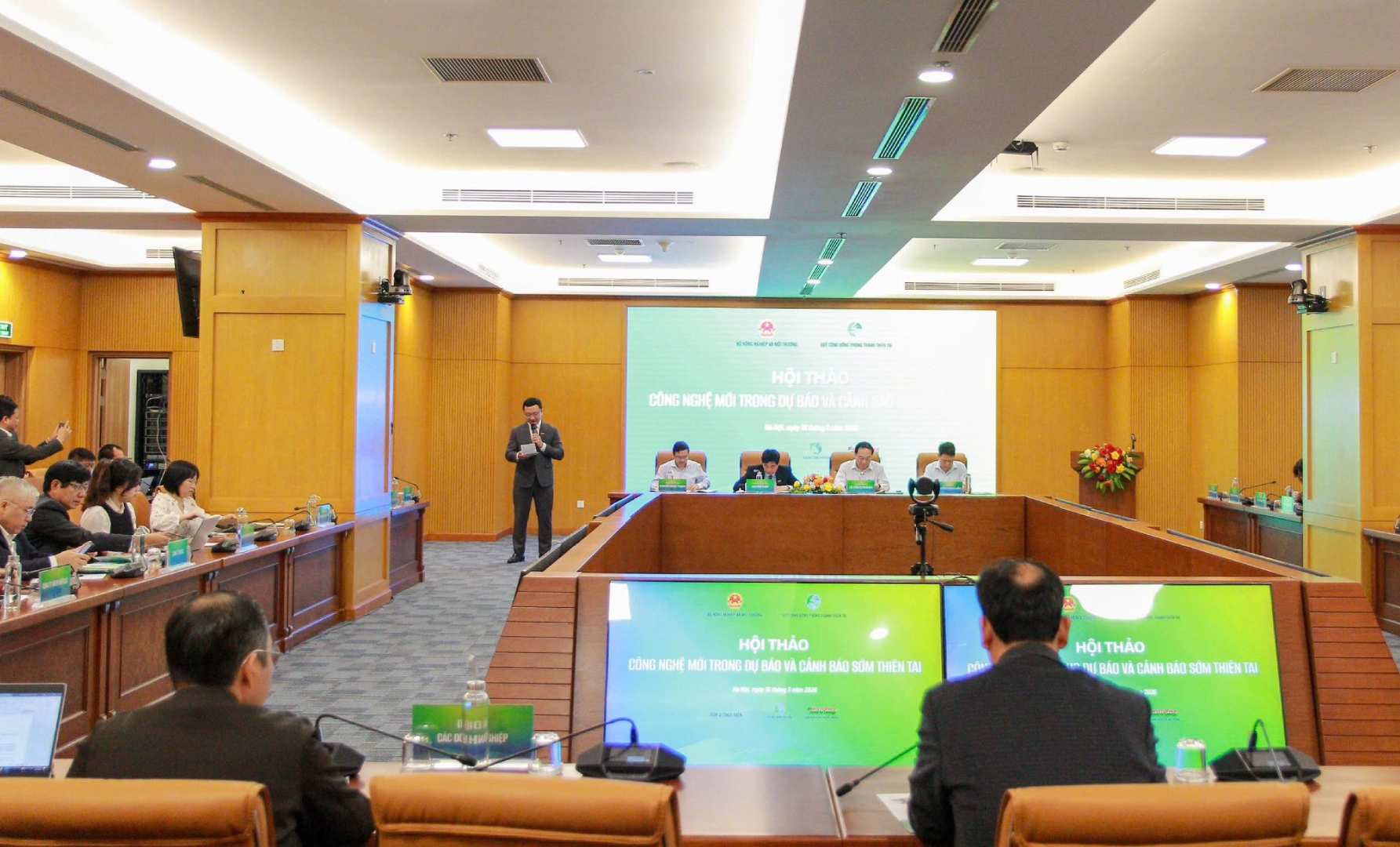
Not only increasing in quantity, many types of natural disasters also tend to occur in a narrow scope but with great intensity and rapid diễn biến, especially flash floods, landslides in mountainous areas; extreme rain in short periods in urban areas; severe drought and saltwater intrusion in the Mekong Delta. This situation makes forecasting work difficult, and at the same time reduces the time for government and people to prepare for response. Reality shows that damage can be significantly reduced if warning information is provided early, accurately and reaches the right people" - Deputy Minister Le Cong Thanh emphasized.
In recent years, Vietnam's meteorological and hydrological system and disaster prevention and control have been gradually upgraded and modernized; forecasting capacity has been improved, forecasting time limits have been extended, and reliability has been improved. However, traditional methods still reveal limitations in the face of extreme weather phenomena of small scale but high intensity and rapid change. This poses the requirement to continue innovating in a faster, more accurate and smarter direction, while taking advantage of new achievements of science and technology.
Promoting digital transformation in forecasting with 4 main pillars
At the conference, Mr. Nguyen Xuan Hien, Deputy Director of the National Center for Hydro-Meteorological Forecasting, added that 2025 continues to record many new records, with up to 27 storms and 6 tropical depressions operating in the Northwest Pacific region; the East Sea alone has 15 storms and 6 tropical depressions - a record high. The largest daily rainfall at Bach Ma station (Hue) reached 1,740 mm. For the first time in a year, particularly large floods or historic floods appeared on most rivers in Vietnam (21 rivers).
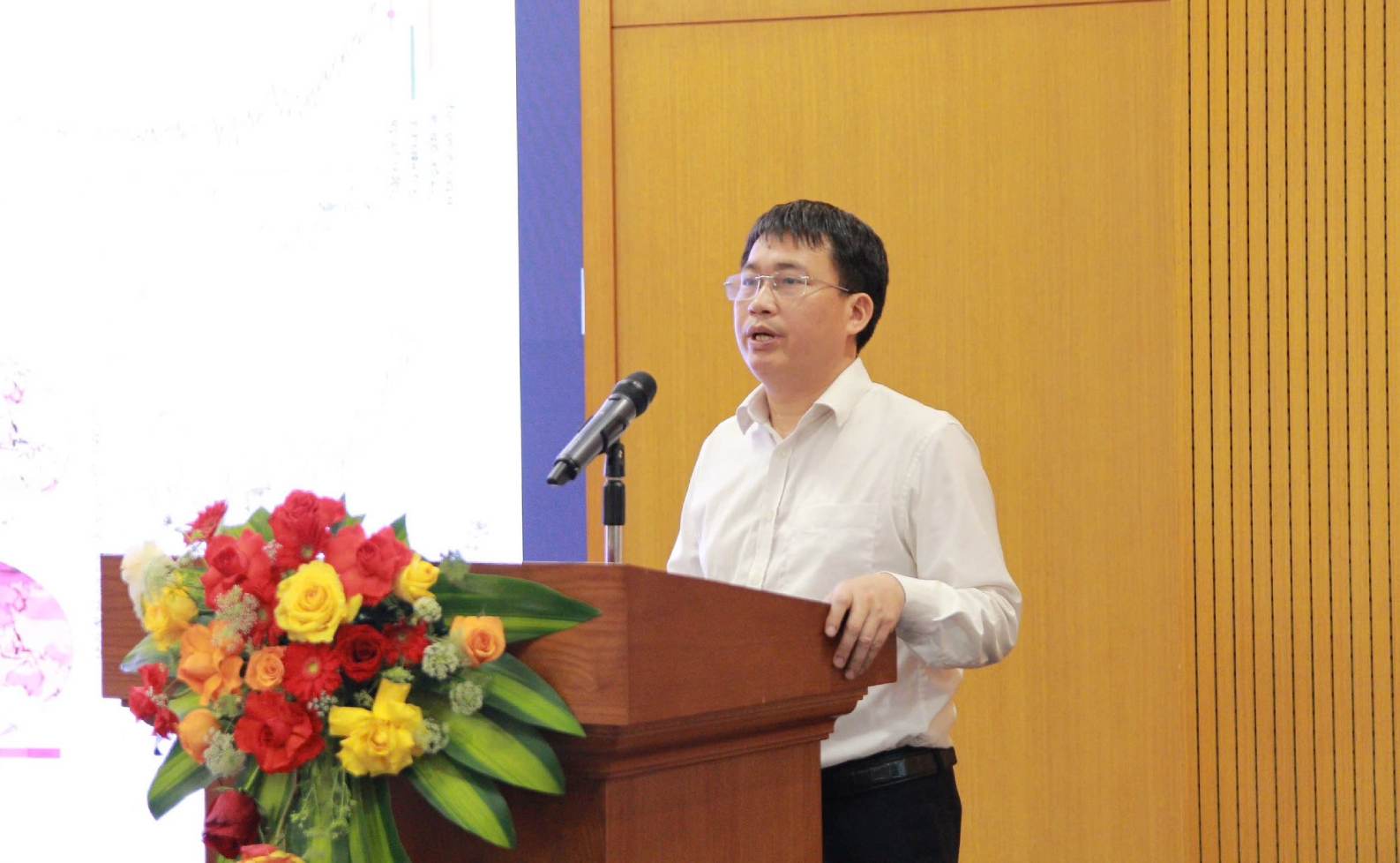
To respond, the meteorological and hydrological sector is promoting digital transformation with 4 main pillars: upgrading smart surveillance (IoT), applying CRAY supercomputers to high-resolution forecasting models (3km), deploying AI in storm monitoring and real-time flash flood warning to commune levels. Although modern technology has improved accuracy, forecasting heavy rainfall and storm intensity is still a major technical challenge that needs to continue to invest in research and master core technology in the future" - Mr. Hien said.
According to the Deputy Director of the meteorological agency, solutions such as artificial intelligence, big data, remote sensing, high-resolution digital forecasting models and automatic monitoring systems are considered key to improving forecasting capabilities, risk analysis and building effective response scenarios.
In addition, the transmission of warning information quickly and easily accessible to people through digital platforms and multi-channel communication is identified as a key factor to minimize damage.


