
However, after a period of implementing the 2020 Law on Environmental Protection, practice shows that there are still some limitations. Before the requirement to complete the legal framework in the new context, the Ministry of Agriculture and Environment is drafting a law amending and supplementing a number of articles of this Law. The draft aims to overcome current obstacles, and at the same time improve environmental management tools in a modern and transparent direction, meeting the requirements of economic development in parallel with environmental protection in the coming period.
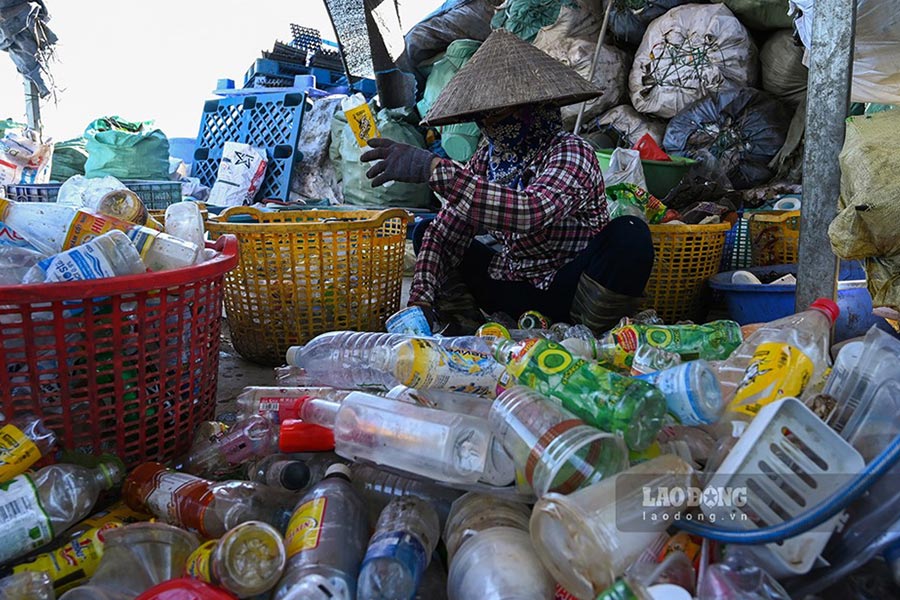
One of the highlights is that the draft law orients the innovation of thinking about waste, shifting from "waste treatment" to considering waste as "resources", thereby creating a legal corridor for developing the environmental industry and promoting the circular economy.
Answering Lao Dong Newspaper, Dr. Tran Van Mieu - Vice Chairman of the Association for Conservation of Nature and Environment said that this is a scientific, progressive and consistent concept with the development trend of the world as well as Vietnam. Previously, waste was often considered discarded due to environmental pollution and unsightliness. However, in the context of circular economic development, waste is seen as a resource.
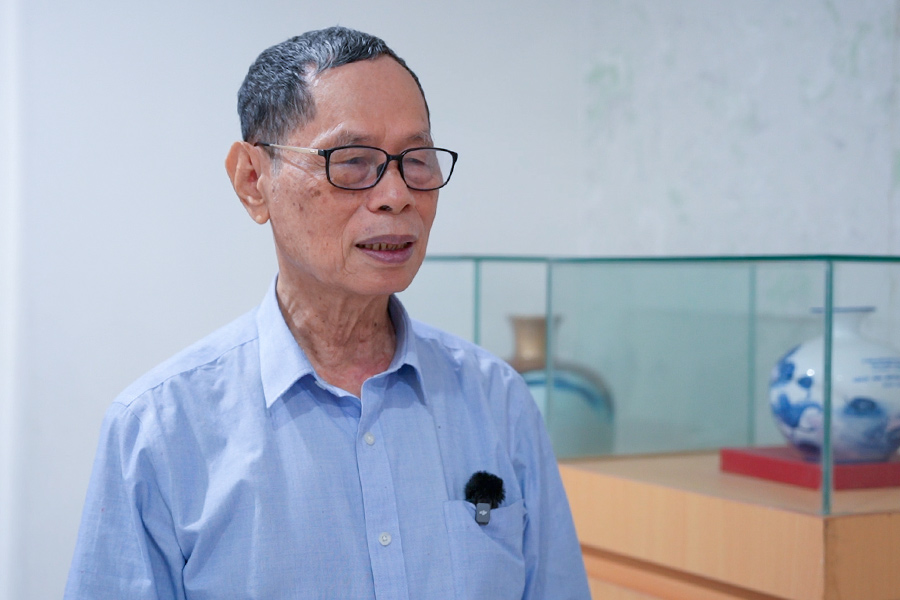
According to Mr. Mieu, the nature of the circular economy is to turn what is discarded into input for another production process. For example, waste can be used to generate electricity through burning technology; ash and slag can then continue to be recycled into bricks or building materials, serving transport infrastructure. This shows that waste is no longer simply a harmful factor, but can become a useful resource if properly exploited.
Similarly, by-products such as leaves, livestock waste, or domestic waste, if treated in biogas digesters, can generate domestic or electricity-generating gas, while creating organic fertilizer sources. These examples show that waste can completely become valuable resources if humans know how to effectively utilize them in the circular economy model.
Talking to Lao Dong Newspaper, Assoc. Prof. Dr. Nguyen Dinh Tho - Deputy Director of the Institute of Strategy and Policy on Agriculture and Environment (Ministry of Agriculture and Environment) said that in the Circular Economy Implementation Plan No. 222 of the Prime Minister, the contents related to the transition from a linear economy to a circular economy have been clearly stated. The Law on Environmental Protection 2020 is currently being amended in the direction of shifting from the concept of treating waste as discarded goods to treating waste as resources; waste from this enterprise can become input for another enterprise.
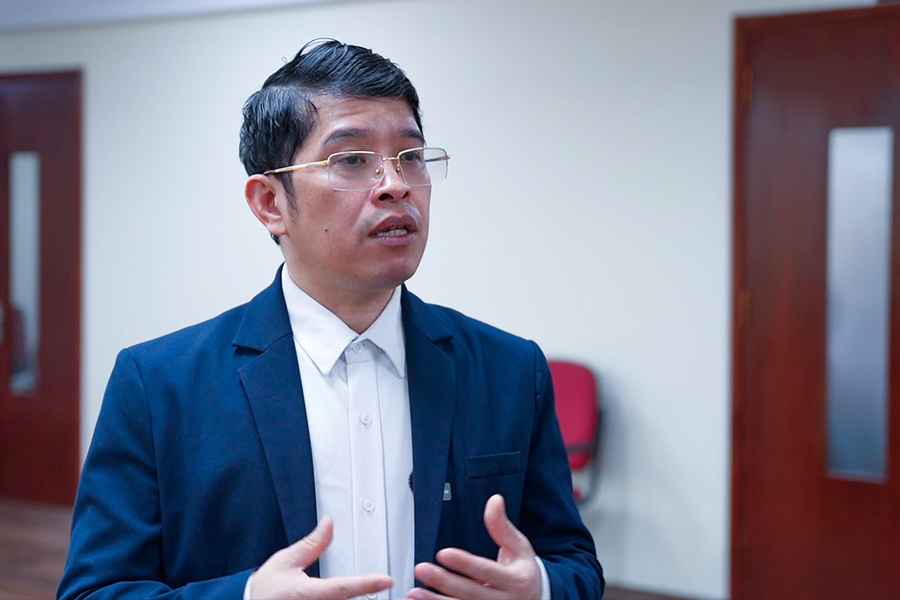
To implement this orientation, overall it can be seen as simple but in reality it requires changing the entire legal system. When switching to the concept of considering waste as a resource, it is necessary to have clear regulations: when waste meets standards and regulations, ensuring safety for people and the environment, it must be reused, especially in production. For example, in the textile and garment industry or steel production, cooling water can be circulated and reused for other purposes.
This requires adjusting standards and regulations on waste treatment in the direction of not only "treating for disposal" but also "treating for reuse", clearly defining conditions for waste to be returned as resources for production and consumption" - Mr. Tho said.
According to Assoc. Prof. Dr. Nguyen Dinh Tho - Deputy Director of the Institute of Strategy, Policy on Agriculture and Environment, taking advantage of opportunities from the circular economy can create a very large change in the scale of the economy. Therefore, changing thinking, shifting from value chain management to ecosystem management will fundamentally change the way the economy operates in the coming time.


