
In the summer, rising temperatures make living spaces suffocating, especially in urban areas with high density of concrete. Besides using air conditioners, electric fans or insulation materials, many families choose to plant green trees to cool their homes, reduce heat radiation and create a more comfortable living space.
Below are 3 types of plants chosen by many people thanks to their ability to shield from the sun, cool down and improve air quality effectively.
Paper flower tree
Paper flowers are a familiar plant, often planted in front of gates, balconies or terraces. The advantage of this plant is that it is sun-resistant, easy to care for, grows quickly and can form a natural shade.
In the summer, the canopy of paper flowers helps reduce the amount of sunlight directly shining on walls, windows or balconies, thereby limiting heat absorption into the house. In addition to the heat-resistant effect, paper flowers also create aesthetic highlights thanks to their bright colors, suitable for many types of townhouses and tube houses.
When planting bougainvillea, people should place the plant in a place with plenty of light, water moderately and prune periodically so that the plant does not grow too densely, obstructing the walkway or affecting the structure of balconies and canopies.
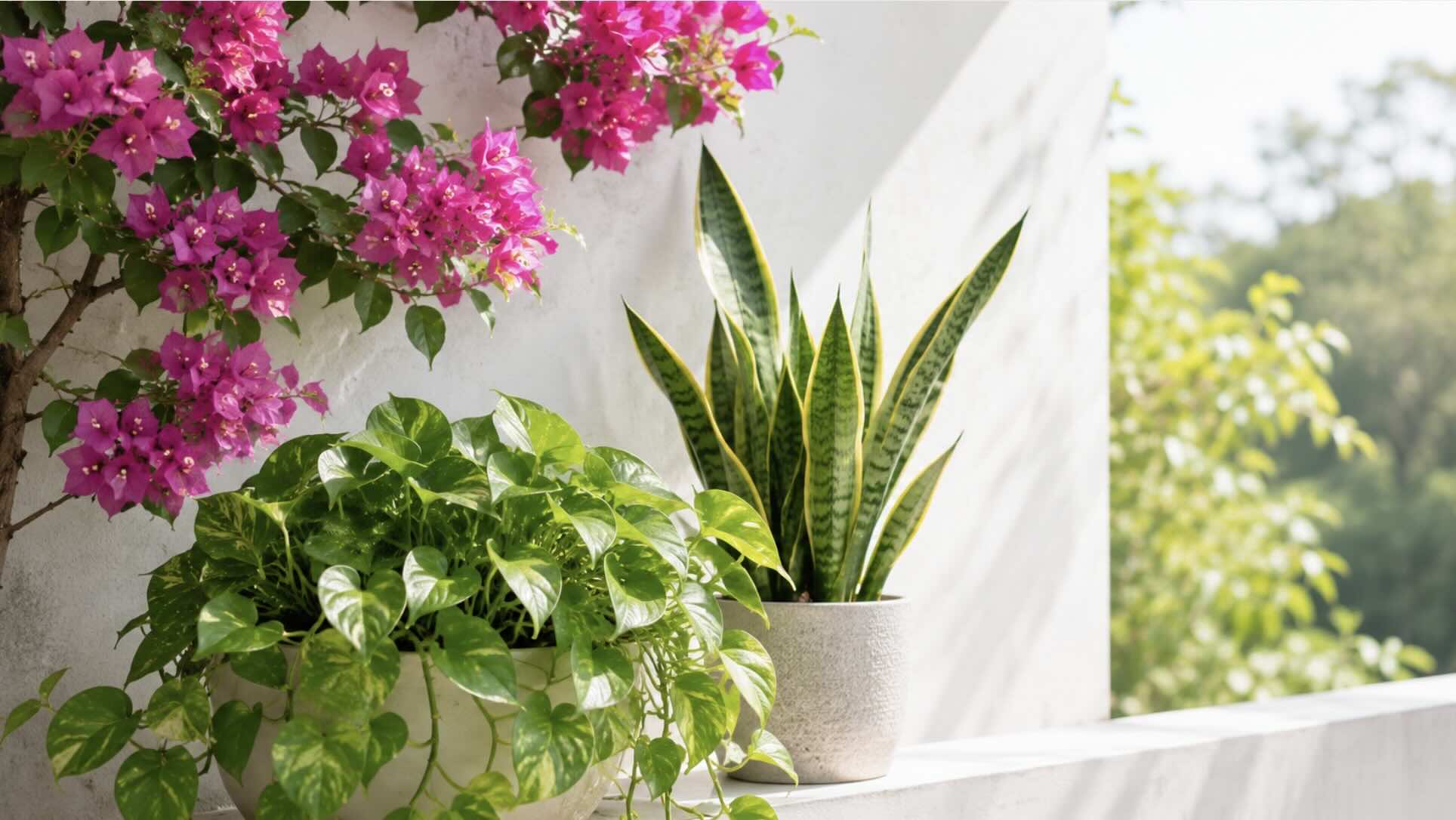
Betel tree
Betel nut is a popular ornamental plant in the house thanks to its good growth ability, easy to grow in soil or water. This plant is often placed in the living room, office, balcony or hung near windows.
Although it does not create a large shade like climbing trees outdoors, betel nut has the effect of soothing the living space, increasing natural humidity and contributing to improving air quality. Small green patches in the house help reduce the feeling of stuffiness, especially in apartments or houses with limited areas.
Betel nut does not need elaborate care. Growers only need to place the plant in a place with indirect light, avoid prolonged hot sun and water when the soil starts to dry out. For indoor plants, water should be changed periodically to limit mosquitoes and unpleasant odors.
Tiger tongue tree
Tiger tongue is a popular ornamental plant because of its compact, sturdy shape, suitable for placing in bedrooms, living rooms or working corners. This plant is tolerant to drought, has few pests and diseases and does not need regular watering.
In the summer, the tongue tree helps the living space feel more airy and comfortable. With its adaptability, the tree is suitable for busy families with little time to take care of ornamental plants. In addition, the tongue tree can be planted in small pots, does not take up much space, so it is very suitable for townhouses and apartments.
When taking care of the tiger's tongue, people need to avoid watering too much because the plant is easily waterlogged. You should place the plant in a place with light light or indirect light, and periodically wipe the dust on the leaves for better photosynthesis.
Notes when planting summer heat-resistant trees
To make green trees effective in cooling, people should choose suitable planting locations. For areas that are directly sun-resistant such as balconies, terraces, and in front of the house, you should prioritize sun-resistant trees with canopies or the ability to climb trellises. For indoor space, you should choose compact trees that are easy to care for and do not cause mold.
In addition, it is necessary to avoid planting trees too densely, causing the space to be stuffy and lack of light. Watering also needs to be suitable for each type of tree, because summer is hot but watering too much can cause the tree to water its roots, generate mosquitoes or fungal diseases.
Green trees cannot completely replace cooling devices, but if arranged reasonably, this is a natural solution to help reduce heat, improve living space and bring a relaxing feeling to the family on hot summer days.


