Frequent urination is a condition that many people encounter in daily life, but not everyone knows when this phenomenon is normal and when to worry.
Drinking plenty of water, cold weather or using coffee, alcohol can make you have to go to the bathroom more often.
However, if urination is repeated persistently without a clear cause, it may be a warning sign of health problems, including kidney disease.
According to Dr. Harsha Kumar HN, senior consultant at the Department of Nephrology and Organ Transplantation at Aster RV Hospital (India), regular urination is understood as "going to the toilet more than 8 times a day, or having to wake up at least once at night to urinate".
This number may vary depending on the amount of water to drink and climate conditions, but if it becomes a long-term habit, patients should not be subjective.
In fact, many cases of frequent urination do not stem from drinking too much water but are related to pathological causes.
Common causes include urinary tract infections, diabetes, excessive bladder activity, prostate hyperplasia in men, pregnancy or side effects of certain medications.
Real concerns appear when frequent urination is accompanied by other abnormal symptoms.
If the patient urinates a lot with swollen legs or face, foaming urine, blood, burning sensation or pain, fever, prolonged fatigue or high blood pressure, it is necessary to consider the possibility of being related to kidney disease," Dr. Harsha emphasized.
What is worrying is that kidney disease often progresses silently. In the early stages, patients may not have obvious symptoms, except for minor changes in the amount or frequency of urine.
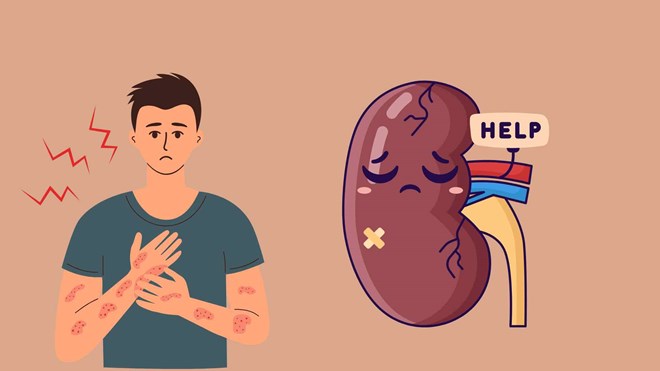
Therefore, prolonged changes, especially in people with diabetes or hypertension history, should absolutely not be ignored.
Early examination helps detect kidney or urinary tract disorders before serious complications occur.
Some warning signs require immediate medical attention. According to Dr. Harsha, it is urinary incontinence with blood in the urine, painful or pungent urination, fever, chills, lower back pain or hip pain. Odorous urine, with an abnormal odor, is also a suspected sign of infection.
In addition, facial swelling, feet or ankle swelling, urine with a lot of foam, gradually increasing fatigue or blood pressure difficult to control can all be related to kidney disease.
For people with diabetes, rapid weight loss, high thirst and frequent urination are alarming signs.
In men, difficulty starting urination or weak urine may suggest prostate problems, while nighttime urination accompanied by shortness of breath or chest pain needs urgent examination.
Experts recommend that listening to the body and not being subjective about prolonged changes is the best way to protect kidney and urinary system health.
(The article is for reference only, not for professional advice. Always consult a doctor or medical expert if you have questions).