
Pain relievers are a familiar choice for many people when experiencing headaches, muscle pain or joint pain. However, the use of pain relievers for a long time or arbitrarily can pose many serious risks to health, especially for the kidneys, organs that play a role in filtering out waste and maintaining balance in the body.
According to Dr. Tushar Tayal, Deputy Director of the Department of Internal Medicine, Birla Gurgaon CK Hospital (India), regular use of pain relievers, especially NSAID drugs such as ibuprofen, diclofenac or naproxen, can cause gradual kidney damage.
This risk is higher in older adults, people with diabetes, hypertension, dehydration, or who have had kidney disease before. What is worrying is that kidney damage often occurs silently, without obvious symptoms in the early stages," he said.
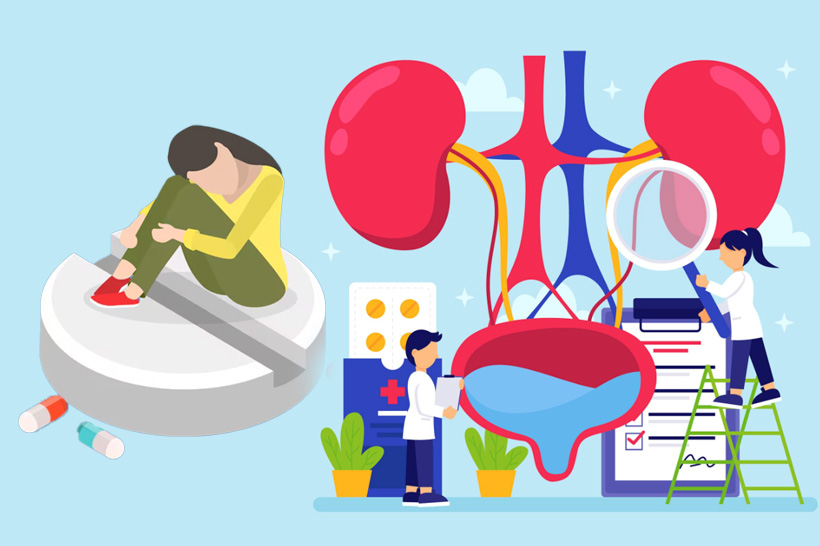
The harmful mechanism of pain relievers for the kidneys mainly relates to prostaglandins, substances that help maintain blood flow to the kidneys. Many pain relievers reduce the production of prostaglandins, causing kidney blood supply to decline. When this condition lasts, the kidney's filter units are overloaded, leading to inflammation, scarring of kidney tissue and reduced ability to excrete toxins. In the long term, patients may face chronic kidney disease.
Not only harmful to the kidneys, abuse of pain relievers also leads to many other side effects. According to experts, pain relievers can cause stomach ulcers, gastrointestinal bleeding, liver damage, high blood pressure and increase the risk of cardiovascular disease. Some cases also experience water retention, allergic reactions or drug dependence, causing the body's ability to withstand pain to decline.
In the liver, the organ responsible for drug metabolism, abuse of pain relievers can cause toxins to build up, causing serious damage and even life-threatening. With the stomach and intestines, just a few days after using the drug, patients may experience bloating, constipation or digestive disorders. For cardiovascular disease, improper use of pain relievers for a long time increases the risk of heart attack and other cardiovascular events.
In many cases, patients still need to use pain relievers to control pain. At that time, experts recommend that they should only be used when really necessary and at the lowest dose to be effective. Drinking enough water, not combining many types of pain relievers at the same time and limiting alcohol and beer are important principles to help reduce the burden on the kidneys. People with underlying diseases such as diabetes, hypertension or kidney disease should consult a doctor before using the medicine and should have regular kidney function check-ups.
Dr. Tayal said that if kidney damage caused by pain relievers is detected early, kidney function can improve after stopping the drug and risk factors can be well controlled. However, when the damage has been prolonged or become serious, the possibility of recovery is very low. Therefore, using pain relievers carefully and with understanding is the key to protecting kidney health for a long time.


