
Winter melon
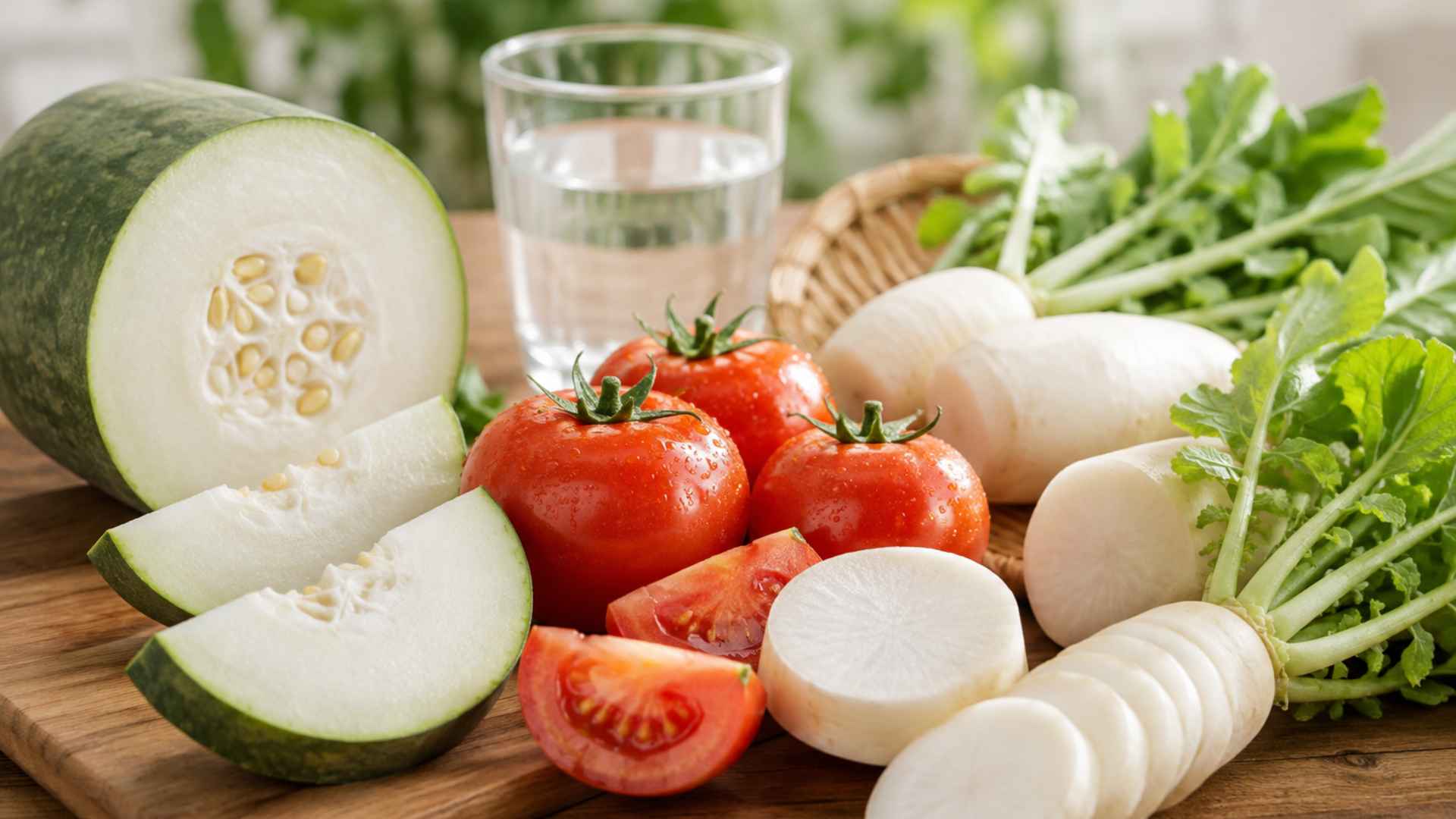
Winter melon contains about 90% water, which helps replenish fluids for the body and supports the excretion process through the urinary tract. Combined with drinking enough water, this food can contribute to promoting uric acid excretion.
Winter melon is also rich in fiber, supporting blood sugar control and good for metabolic health.
Tomatoes
Tomatoes provide a lot of vitamin C, lycopene and potassium. Potassium helps balance electrolytes, supports the body in eliminating sodium, while vitamin C and lycopene have antioxidant effects, contributing to boosting immunity. This is a suitable food to add to a healthy diet for people at risk of increased uric acid.
White radish
White radish is a vegetable rich in vitamins, fiber and potassium. Adding white radish to meals can support the process of uric acid elimination, while helping to maintain stable blood sugar levels. This food can be processed in many ways such as boiling, cooking soup, steaming or eating raw depending on the taste.
Diet only plays a supporting role, and cannot replace medication if prescribed by a doctor. In addition to increasing vegetables, patients should:
Limit or avoid drinking alcohol and beer because it can reduce the ability to excrete uric acid and increase the risk of gout attacks. Drink enough water every day to help the kidneys excrete uric acid and reduce the risk of urate crystal formation.
Maintain a reasonable weight, limit purine-rich foods, and follow the treatment regimen if prescribed by your doctor.
Combining a scientific diet with a healthy lifestyle will help control uric acid levels more effectively and reduce the risk of gout attacks recurring.


