Taking 11 types of medicine each day because... imitating acquaintances
MSc. Dr. Do Vu Anh, Department of Upper extremities Surgery and Sports Medicine (specialist in orthopedic trauma and sports medicine) Viet Duc Friendship Hospital shared that during medical examination and treatment, many cases of patients experiencing peripheral nerve compression syndromes such as wrist canal syndrome or spring finger syndrome have been recorded... Although directly affecting daily life, labor and quality of life, many people still choose to treat themselves at home instead of going to specialized medical facilities.
Like the case of a female patient in Ho Chi Minh City who had shoulder and neck pain, the doctor prescribed 2-3 types of medicine, but after hearing acquaintances advise, she arbitrarily took up to 11 types of medicine each day. Another case is an elderly patient who was advised by the doctor to have surgery early, but because she heard neighbors threaten that the success rate was only 50/50, she resolutely refused surgery, even though her children advised her wholeheartedly.
Dr. Do Vu Anh said that these are not isolated stories. Many people see neighbors or acquaintances who have shown symptoms similar to theirs and are cured immediately ask to buy the right type of medicine to use, without knowing that each person's medical condition is different. Many people also overconfident in information on the internet, turning themselves into doctors for themselves.
According to doctors, the biggest barrier does not lie in the rareness of the disease, but in the mentality of "when sick, pray to all directions". Many people, when feeling pain and numbness in their hands, often ask for experience from acquaintances and neighbors, and even follow unfounded word-of-mouth, instead of listening to professional advice.
Another common mistake is to assume that hand numbness is just a manifestation of aging, aging, or osteoarthritis. From this thought, patients self-treat in many different ways, from taking medicine, injecting locally without knowing what medicine to inject, to abandoning it when they feel better. When the disease recurs or uses drugs that are no longer effective, many people become discouraged and give up because they do not know where to examine and how to treat it.
Dr. Do Vu Anh added that nerve compression diseases such as wrist canal syndrome are not rare and for specialists, treatment is not too complicated. What makes patients panic is mainly because they have not been fully explained about the condition of the disease as well as the specific treatment regimen.
Surgical solutions on a "psychological" day for patients
Dr. Do Vu Anh emphasized that to remove psychological fear, doctors need to spend time giving clear advice to patients, from the current level of injury to each priority treatment step such as medication, injection or rehabilitation. Patients also need to be clearly told that if medical treatment is not effective or the disease recurs many times, surgery is a necessary, safe and appropriate solution.
Not only are they afraid to go for examination, many people are also afraid of surgery because they think they will have to stay in the hospital for many days, costly, affecting work and family life. However, in cases with current intervention indications, many techniques have helped limit invasion, ensure aesthetics, reduce complications and be more convenient for patients after surgery.
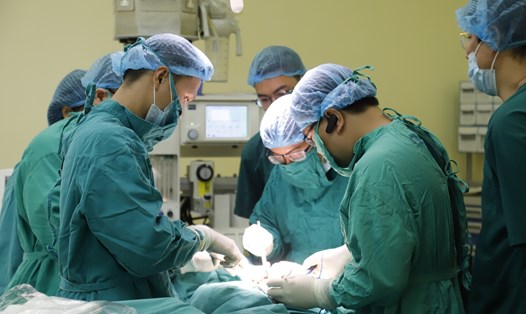
According to doctors, many surgeries can now be performed during the day. After intervention, patients can go home to rest, gradually recover and soon return to normal life.
In the context of social networks and AI development, online medical information has become a "double-edged sword": Both helping to spread quickly and easily causing confusion by unprofessional channels, even fraud. This forces doctors to change their thinking, not only to be proficient in their profession but also to focus on communication, improving the quality of care and medical services.