When entering a non-REM sleep, blood pressure and heart rate often decrease compared to when awake. Prolonged sleep deprivation can change the activity of the autonomic nervous system and blood pressure regulating mechanisms. These changes are considered one of the mechanisms that can contribute to increasing the risk of high blood pressure.
| Factor | Detailed impacts and medical recommendations |
|---|---|
| Adults should sleep 7–9 hours per night. | |
Mechanism of impact of poor quality sleep
Insufficient sleep or poor sleep quality are associated with some metabolic disadvantages, including obesity and diabetes, which are also related to cardiovascular risk.
Blood pressure stabilization support measures
To prevent the risk of high blood pressure, adults should maintain enough sleep for 7-9 hours each night, maintain a fixed schedule and limit electronic devices before bed. In addition, reducing salt, increasing green vegetables, exercising regularly and monitoring blood pressure levels at home will contribute to effectively protecting cardiovascular health.
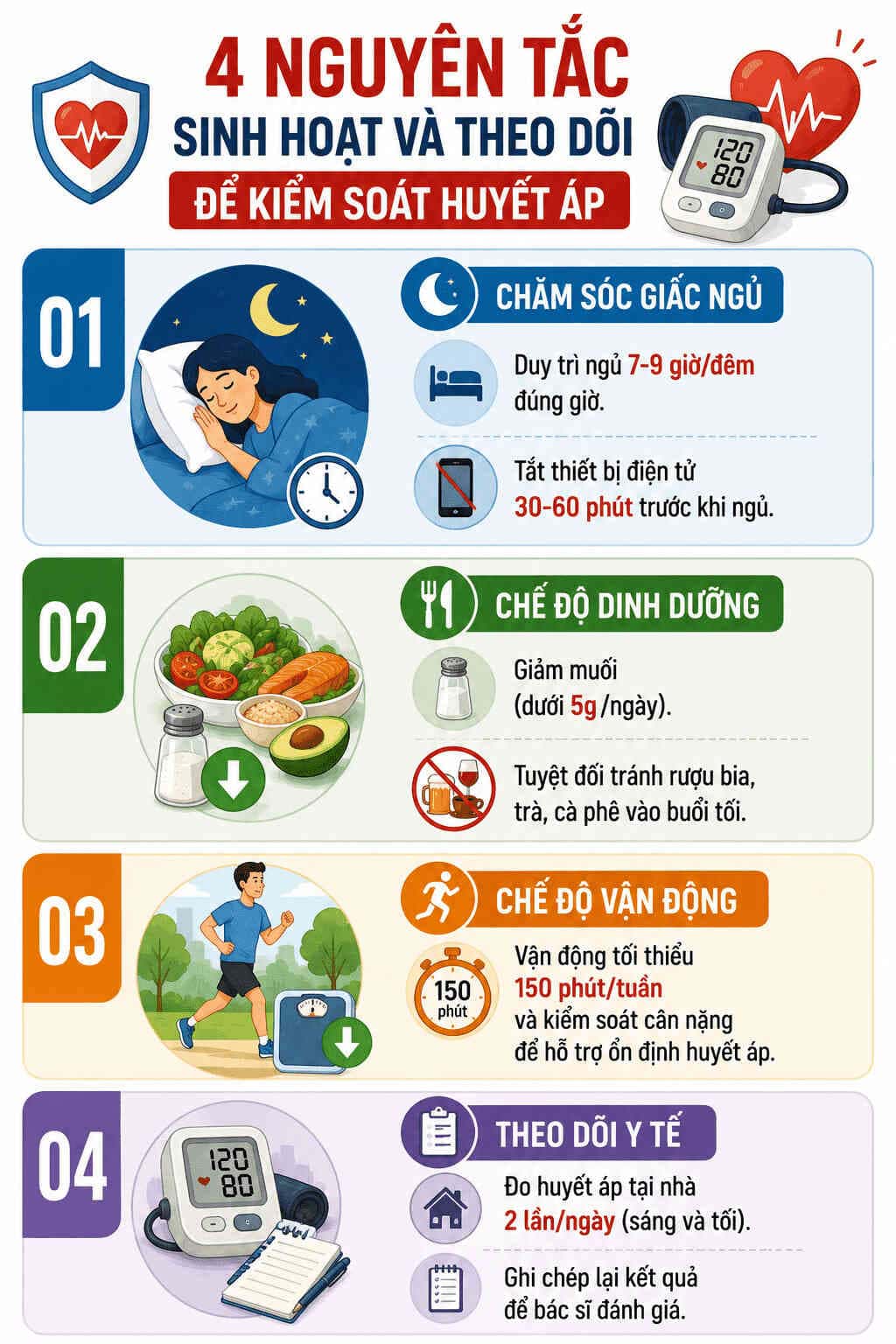
The information in the article is for reference only, not for medical diagnosis or treatment. You should talk directly to your doctor for accurate and appropriate advice to your health condition.
Q&A corner: Sleep and blood pressure
How can using caffeine-containing drinks or teas in the evening affect blood pressure and sleep?
Caffeine can temporarily increase blood pressure in some people, and can also cause difficulty sleeping or affect sleep in sensitive people. The level of response to caffeine varies from person to person. Therefore, people who find that caffeine affects sleep should limit use at the end of the day or near bedtime.