
On July 19 (Cairo time), according to Xinhua, the Egyptian Ministry of Tourism and Antiquities announced that a domestic archaeological team discovered 3 tombs directly carved into the cliff at Bubasteion cemetery in the Saqqara relic site, Giza province, west of Cairo capital. The tombs date back to the Neo-Republic era, more than 3,000 years ago.
According to the Egyptian Ministry of Tourism and Antiquities, all 3 tombs still preserve many figurative inscriptions and valuable archaeological artifacts, helping researchers have more documents about the political, economic and social life of Egypt in the period from about 1550 BC to 1069 BC.
Mr. Amr El-Tayeb, General Director of the Saqqara Relic Site, said the tombs belong to 3 officials who held important positions in the state management apparatus during the New Kingdom.
Among them, one tomb is identified as belonging to a high-ranking official in charge of administrative and military affairs in the early Neo-Republic period. The other two tombs belong to the chief merchant of the Ptah Temple and a property manager, reflecting the role of officials and merchants in ancient Egyptian society.
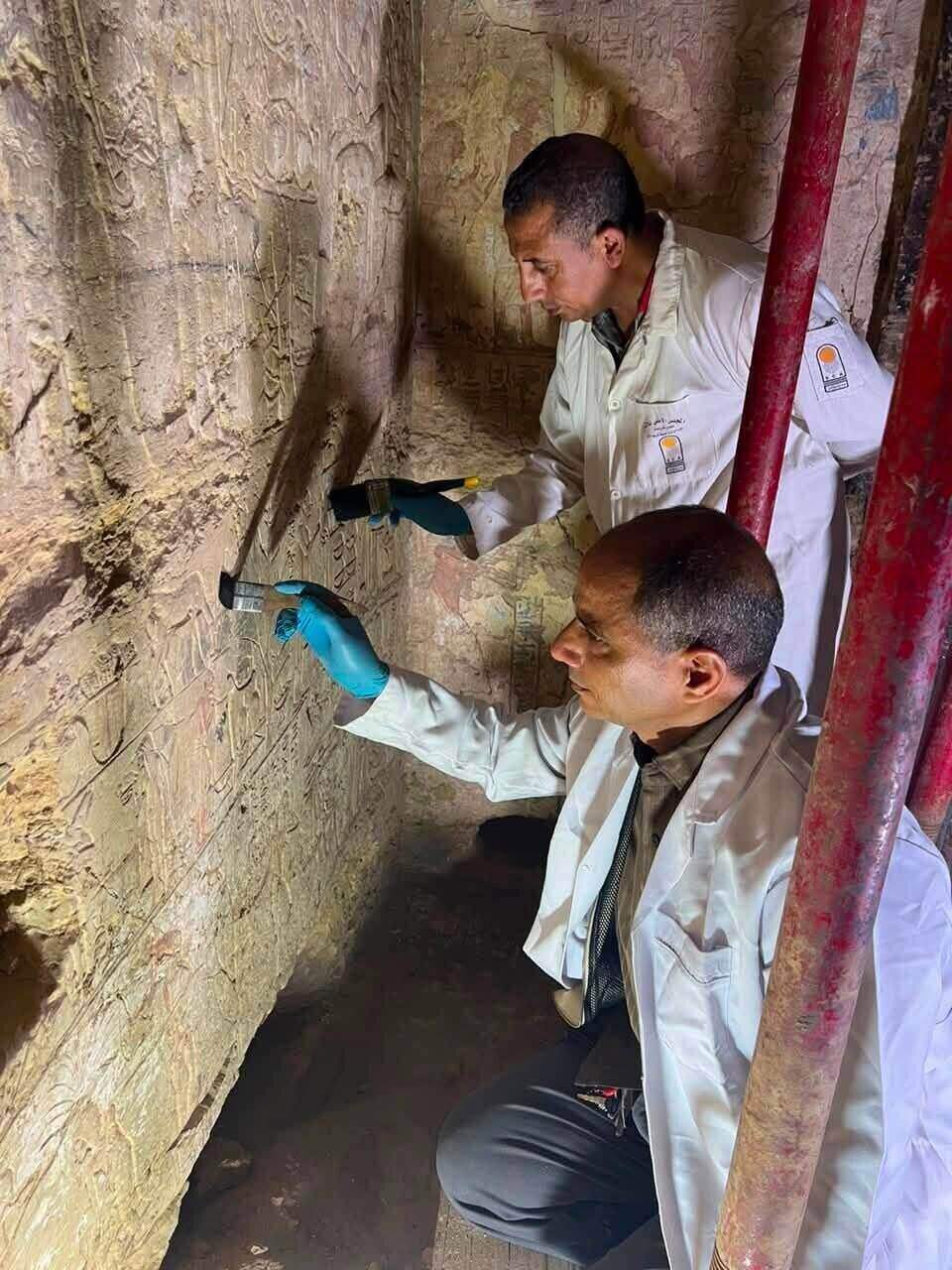
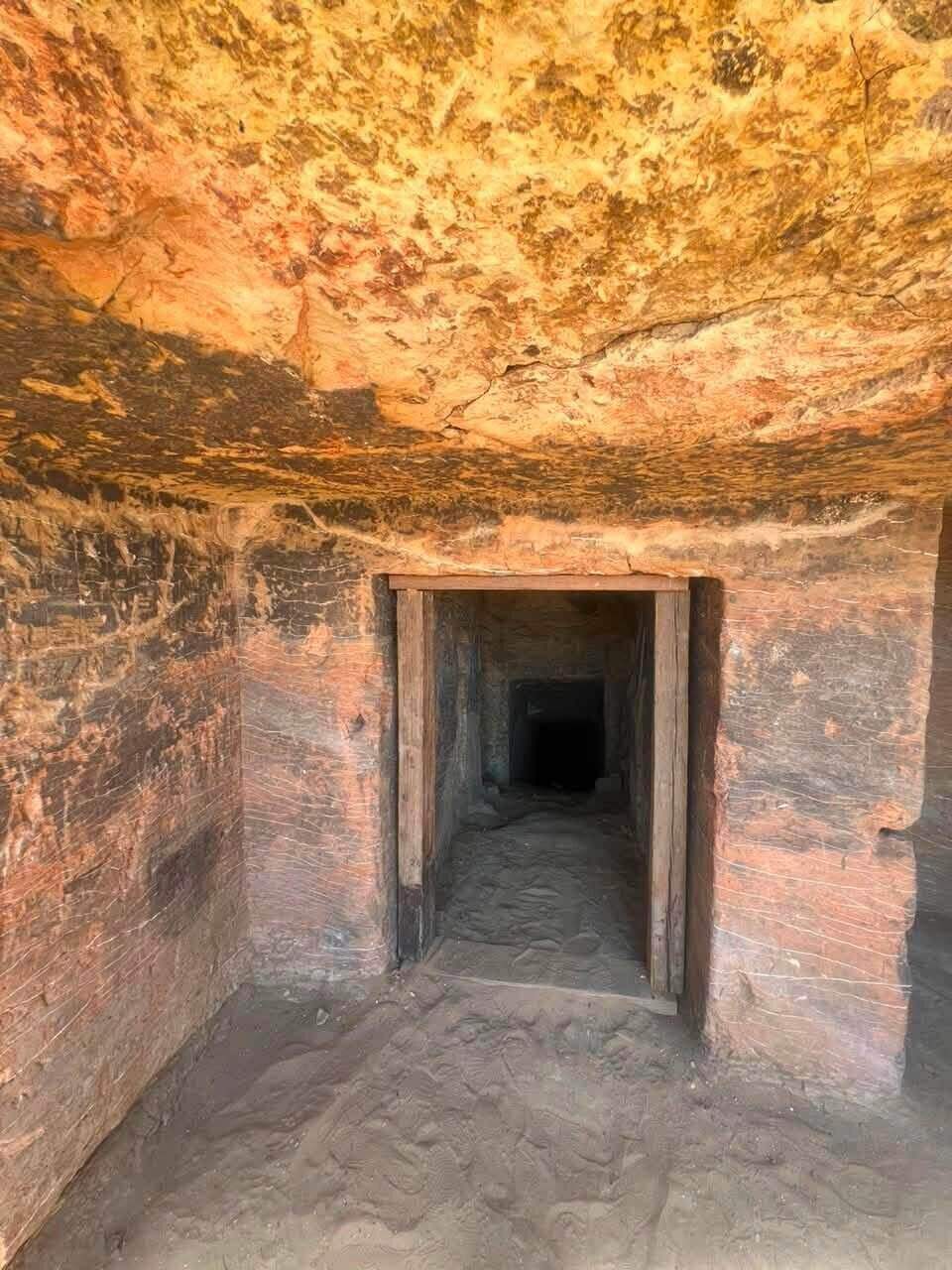
Mr. Hisham Elleithy, General Secretary of the Supreme Council of Antiquities of Egypt, said that the inscriptions on the tombs helped archaeologists identify the identities as well as the positions of the owners, and added much new information about the administrative system, commercial activities and social structure at that time.
Saqqara is one of the most famous archaeological complexes in Egypt, located about 30km south of the center of Cairo. This area was once the cemetery of the ancient capital Memphis and is famous for the Djoser Step Pyramid - the oldest surviving pyramid in the world.
Over the years, Saqqara has continuously recorded important archaeological discoveries, from coffins, statues, mummies to tombs of nobles and officials.
These discoveries are expected to contribute to further clarifying the history of ancient Egyptian civilization, while promoting the tourism and archeology industries of the North African nation.


