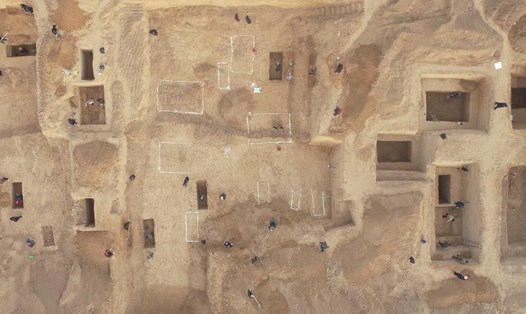
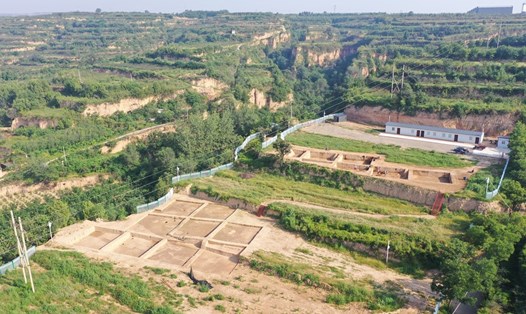
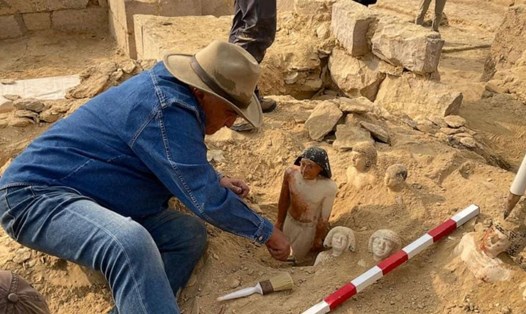
Mộ cổ 3.200 năm của Panehsy, người bảo vệ ngôi đền của vị thần Ai Cập Amun, được phát hiện tại nghĩa địa Saqqara, phía nam thủ đô Cairo của Ai Cập, Bộ du lịch Ai Cập thông báo ngày 12.4.
Ngôi mộ hình ngôi đền, có niên đại từ triều đại thứ 19 của Ai Cập cổ đại (1292-1189 trước Công nguyên). Ngôi mộ do nhóm các nhà khảo cổ Hà Lan và Italy phát hiện.
Saqqara - một trong những khu chôn cất quan trọng nhất của Ai Cập cổ đại - là nơi ghi nhận hàng loạt khám phá khảo cổ trong những năm gần đây.
Ai Cập muốn trưng bày các hiện vật mới được phát hiện trong nỗ lực tìm cách khôi phục ngành du lịch quan trọng, nguồn ngoại tệ và việc làm chính. Ai Cập thu hút 11,7 triệu du khách vào năm 2022.
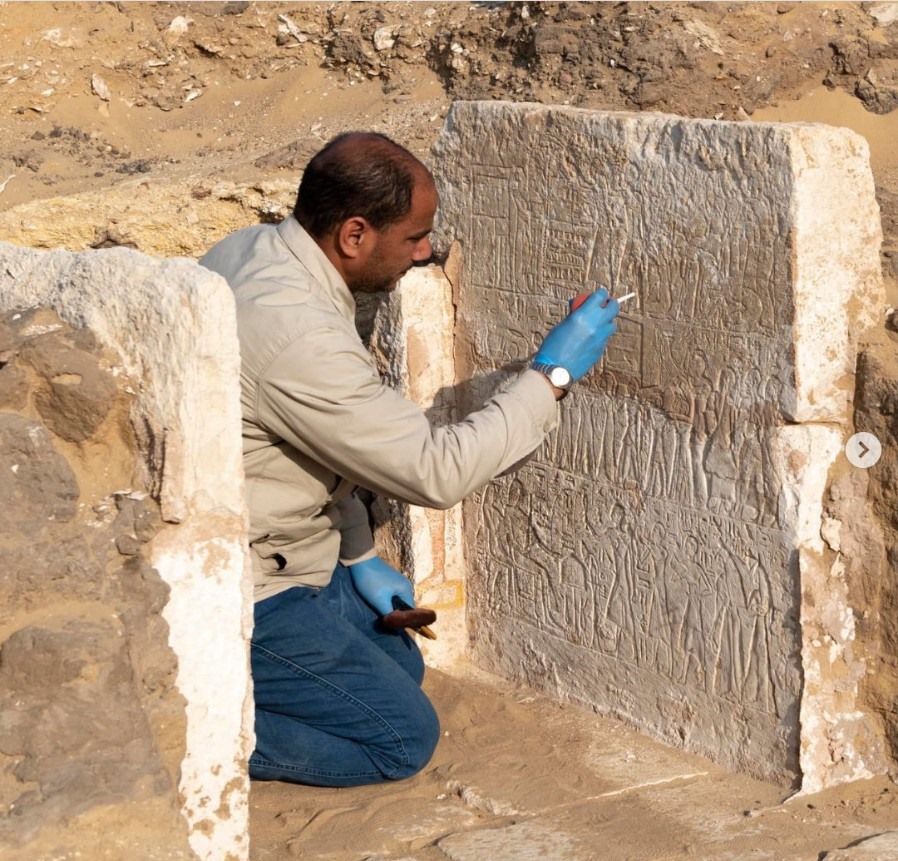
Mostafa Waziri - tổng thư ký của Hội đồng cổ vật tối cao của Ai Cập - cho biết: “Phát hiện mới làm sáng tỏ sự phát triển của nghĩa địa Saqqara trong thời kỳ Ramesside và vén bức màn về những cá thể mới chưa được biết đến trong các nguồn lịch sử”.
Mộ cổ giống như ngôi đền đứng độc lập với lối vào, sân trong có hàng cột, một trục dẫn đến các phòng chôn cất dưới lòng đất và 3 nhà nguyện. Mộ cổ vừa phát hiện giáp với lăng mộ của Maya - một quan chức cấp cao dưới thời trị vì của vị vua trẻ tuổi Ai Cập cổ đại Tutankhamun.
Bên trong mộ cổ, các nhà khảo cổ tìm thấy tấm bia vẽ Panehsy và vợ ông là Baia - ca sĩ của thần Amun - trước một bàn cúng tế, cũng như một số hình vẽ khác về các linh mục và lễ vật tôn giáo.
Các quan chức Ai Cập cho biết, nhóm nghiên cứu cũng đã khai quật được 4 nhà nguyện nhỏ trong quá trình khai quật ở khu vực này, 2 trong số đó có các bức phù điêu được bảo quản tốt về cảnh tang lễ và các bức vẽ về sự hồi sinh của một xác ướp để sống ở thế giới bên kia.
Nhóm nghiên cứu gồm các nhà khảo cổ học từ Bảo tàng Cổ vật Quốc gia ở Leiden (RMO) - có nhiệm vụ khai quật khu vực này từ năm 1975 và Bảo tàng Ai Cập ở Turin (Museo Egizio) - tham gia dự án khai quật với tư cách là đối tác chính từ năm 2015.