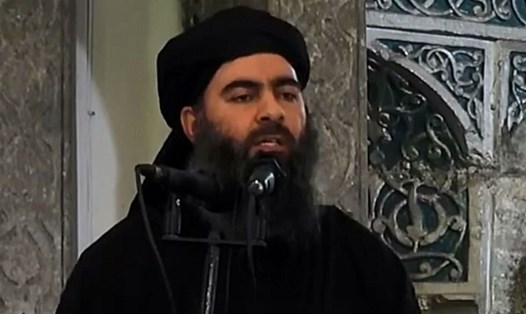
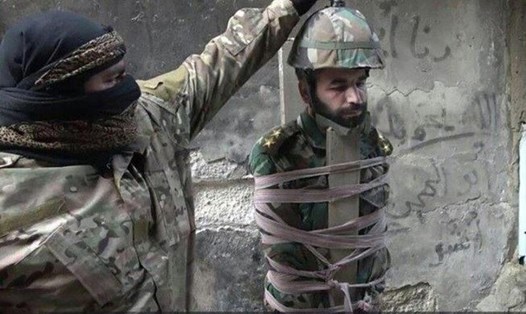
Cho đến nay, Saddam al-Jamal là một trong những chỉ huy cấp cao nhất của nhóm khủng bố IS bị giam giữ. Tên này được coi là nhà lãnh đạo tương lai, kế nhiệm trùm IS Abu Bakr al-Baghdadi.
Saddam al-Jamal nổi tiếng bởi sự tàn bạo trong cách hành quyết tù nhân IS.
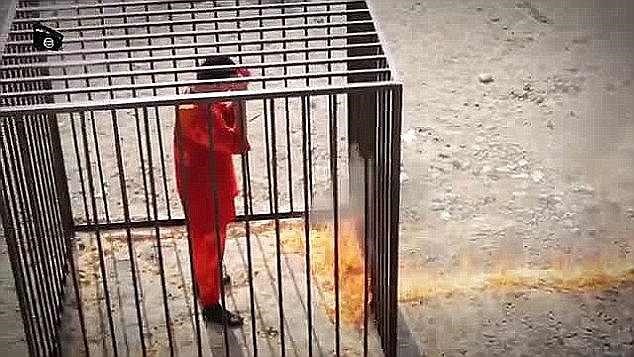
Các mật vụ Jordan tin rằng, tên này là kẻ chủ mưu sát hại phi công Muath al-Kasasbeh năm 2015. Al-Kasasbeh là phi công của không quân hoàng gia Jordan. Máy bay của anh bị bắn rơi tại Raqqa, Syria, tháng 12.2014.
Vài tuần sau, IS công bố video phi công 26 tuổi bị thiêu sống trong một chiếc lồng. Những hình ảnh này gây phẫn nộ trên toàn thế giới.
Tên Al-Jamal cũng bị cáo buộc phạm nhiều tội ác như gây ra vụ thảm sát 700 thành viên một bộ tộc nổi dậy chống IS ở tỉnh Deir Ezzor, Syria năm 2014.
Al-Jamal được cho là đã ra lệnh hành quyết những đứa trẻ, thậm chí là trước mặt cha mẹ chúng.
Năm 2014, các quan chức Iraq cho biết, Al-Jamal đã giết cả gia đình sau khi cha mẹ can ngăn con gái họ kết hôn với hắn.
Tên này từng là chỉ huy trong Quân đội Syria Tự do (FSA) và sau đó lãnh đạo nhóm Hồi giáo "ôn hòa" Ahfab al-Rasoul.
Al-Jamal là một trong 4 chỉ huy IS bị an ninh Iraq giăng bẫy bằng tin nhắn giả trên ứng dụng Telegram hồi tuần trước. Giới chức Iraq sử dụng điện thoại di động của tên Ismail al-Eithawi, gửi hướng dẫn cho 4 chỉ huy khác di chuyển từ Syria sang Iraq và bị bắt giữ.
Tên Al-Eithawi, bí danh Abu Zaid al-Iraq, bị tình báo Thổ Nhĩ Kỳ bắt vào tháng 2 và bàn giao cho Iraq. Eithawi là thân tín trực tiếp của thủ lĩnh tối cao Abu Bakr al-Baghdadi. Tên này chịu trách nhiệm chuyển tiền vào tài khoản ngân hàng của nhóm khủng bố ở các quốc gia khác nhau.
Ngoài al-Eithawi và Al-Jamal, chiến dịch của Iraq đã tóm gọn 3 chỉ huy IS khác là Mohamed al-Qadeer (người Syria) và 2 người Iraq là Omar al-Karbouli và Essam al-Zawbai.