Các nhà khảo cổ Trung Quốc phát hiện tàn tích của Vương quốc Thục cổ đại, một nền văn minh có niên đại ít nhất 4.800 năm, ở tỉnh Tứ Xuyên, tây nam Trung Quốc, Tân Hoa Xã đưa tin ngày 29.8.
Khu di chỉ khảo cổ nằm ở Thành Đô, thủ phủ tỉnh Tứ Xuyên, được phát hiện từ tháng 10 năm ngoái. Cuộc khai quật từ tháng 3 đến tháng 8 năm nay dẫn tới việc phát hiện hơn 80 ngôi mộ cổ và hơn 10 địa điểm nhà cửa có từ thời Tây Chu (1046-771 trước Công nguyên) và thời Xuân Thu (770-476 trước Công nguyên).
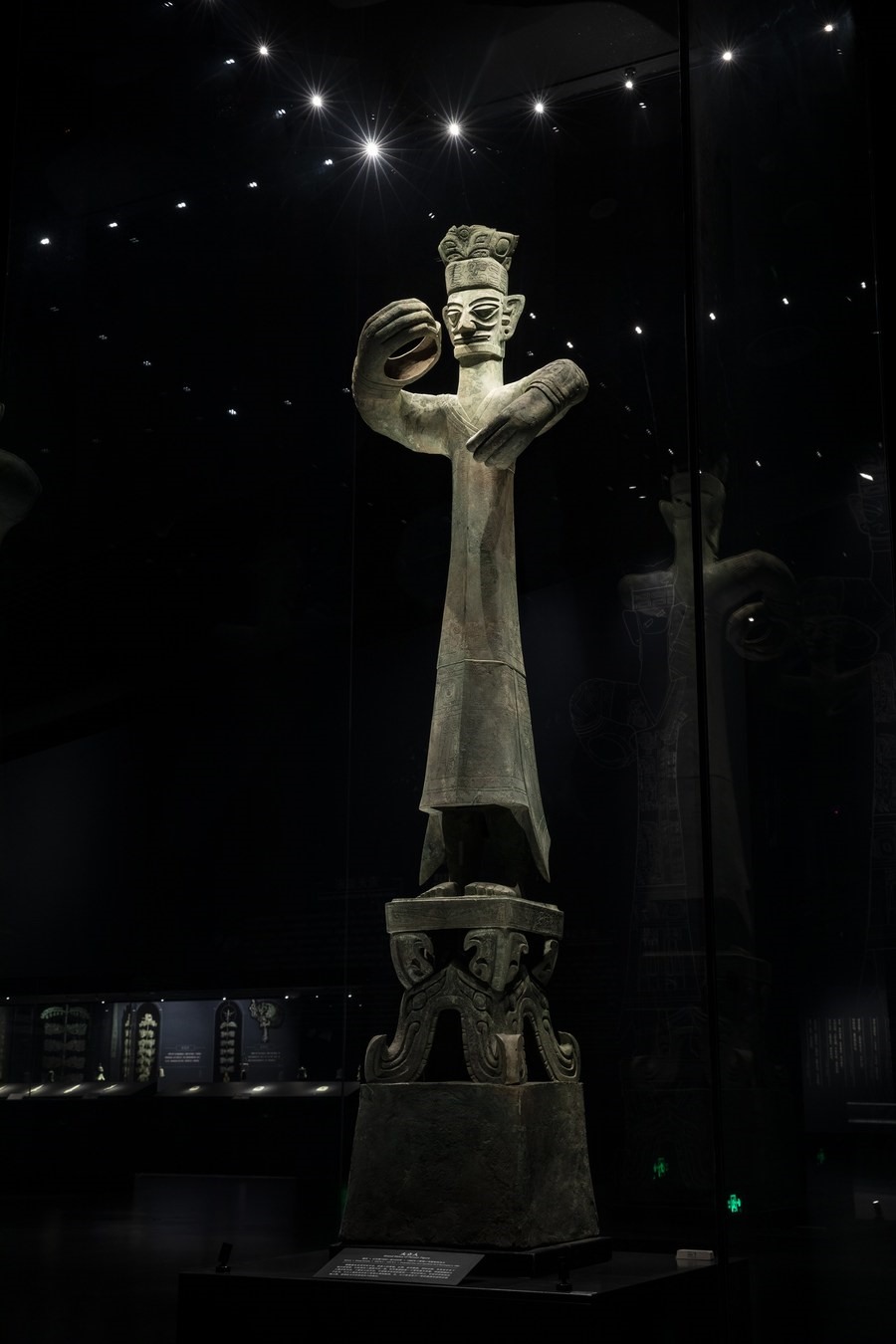
Một lượng lớn cổ vật bằng đồng, ngọc và đồ gốm, bao gồm ấn đồng, thanh kiếm hình lá và các đồ tạo tác khác tiêu biểu cho nền văn minh Thục cổ đại, cũng đã được khai quật từ địa điểm này.
Theo Xiong Qiaoqiao, người đứng đầu dự án khai quật, khu di chỉ khảo cổ này có từ thời kỳ chuyển tiếp quan trọng giữa nền văn minh Thục sơ khai, đại diện là di chỉ Tam Tinh Đôi và nền văn minh Thục muộn.
Di chỉ khảo cổ ở Thành Đô cung cấp những tài liệu nghiên cứu quan trọng để tái tạo lại lịch sử Vương quốc Thục cổ đại, vốn không có nhiều dữ liệu ghi chép lại. Tương truyền, Vương quốc Thục cổ đại kéo dài hơn 2.000 năm.
Cũng thông tin về phát hiện khảo cổ mới của Trung Quốc, Tân Hoa Xã ngày 30.8 cho biết, 58 ngôi mộ cổ và đồ tạo tác từ thời tiền Tần (trước năm 221 trước Công nguyên) đã được khai quật từ một địa điểm ở Quảng Châu, thủ phủ tỉnh Quảng Đông, phía nam Trung Quốc.
Theo Viện Khảo cổ và Văn vật thành phố Quảng Châu, hơn 200 ngôi mộ, hố và hầm đã được khai quật tại địa điểm Lanyuanling ở quận Hoàng Phố, Quảng Châu.
Hài cốt có niên đại từ 2 thời kỳ - cuối thời đại đồ đá mới đến đầu nhà Thương (1600-1046 trước Công nguyên) và từ thời Tây Chu (1046-771 trước Công nguyên) đến thời Xuân Thu (770-476 trước Công nguyên).
Việc khai quật khảo cổ bắt đầu từ tháng 6 và trải rộng trong khu vực khoảng 2.000m2. Hơn 160 mảnh và bộ đồ bằng đất nung, đồ gốm sứ, ngọc bích và đá đã được khai quật tại đây, bao gồm 1 chiếc vòng tay bằng ngọc bích chất lượng cao được bảo quản tốt.
Phó viện trưởng Zhang Qianglu cho biết, phát hiện khảo cổ mới sẽ giúp tái tạo lại lịch sử ban đầu của khu vực đông bắc Quảng Châu.
Theo các nhà khảo cổ, những cổ vật và di chỉ vừa phát hiện là bằng chứng củng cố rằng khu vực này có vai trò quan trọng với sự phát triển của nền văn minh sơ khai ở đồng bằng sông Châu Giang.