
Theo Hoàn cầu Thời báo, đây là minh chứng quan trọng về sự đa dạng và hội nhập của nền văn minh Trung Quốc trong bối cảnh kỷ niệm 100 năm ra đời ngành khảo cổ Trung Quốc hiện đại.
Những thành tựu quan trọng của 5 di chỉ cho thấy quá trình lịch sử về nguồn gốc và sự phát triển của nền văn hóa đồ đá mới ở lưu vực sông Hoàng Hà, lưu vực sông Dương Tử và lưu vực sông Châu Giang.
Có niên đại từ 6.700-4.500 năm trước, di chỉ Shi'ao ở Dư Diêu, tỉnh Chiết Giang, miền Đông Trung Quốc là một trong những cánh đồng lúa cổ lớn nhất và lâu đời nhất thế giới. Nó cung cấp bằng chứng cho thấy canh tác lúa là một trụ cột kinh tế quan trọng cho sự phát triển xã hội của nền văn hóa Hà Mỗ Độ và văn hóa Lương Chử sau này.
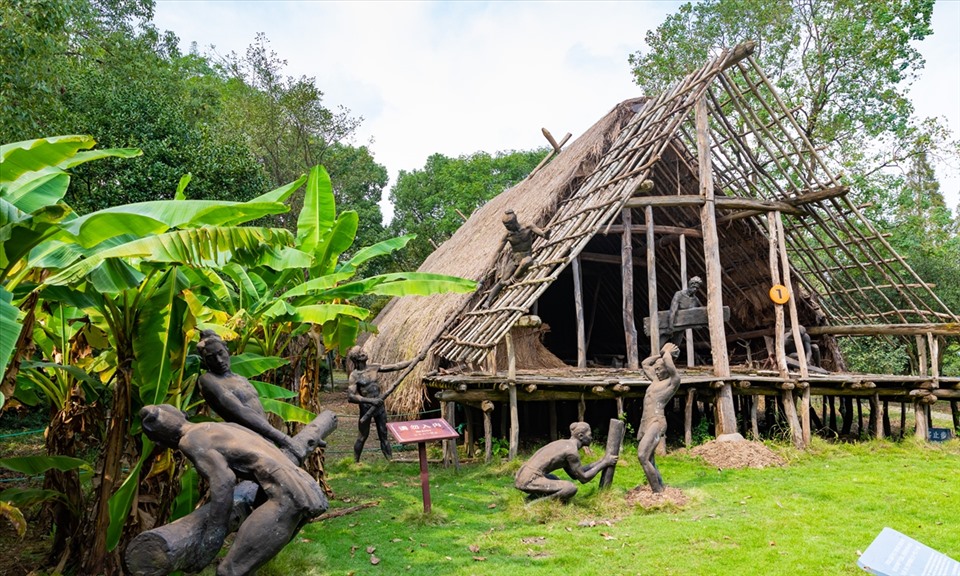
Di tích Yanshanzhai ở Anh Đức, tỉnh Quảng Đông, miền Nam Trung Quốc là một địa điểm định cư của văn hóa Shixia, nơi đã khai quật được khoảng 66 ngôi mộ cổ và hàng trăm di vật trong mộ. Đây là địa điểm định cư thời đồ đá mới lớn nhất được phát hiện ở khu vực Lĩnh Nam và có ý nghĩa to lớn đối với việc nghiên cứu sâu về sự tương tác giữa các nền văn hóa Shixia và văn hoá Lương Chử, cũng như sự phát triển ở khu vực Lĩnh Nam vào thời kỳ tiền Tần (thời kỳ đồ đá cũ cho đến năm 221 trước Công nguyên).
Di chỉ Nanzuo ở Khánh Dương, tỉnh Cam Túc, Tây Bắc Trung Quốc là một địa điểm định cư quy mô lớn của nền văn hóa Ngưỡng Thiều (5.000-3.000 trước Công nguyên) - nền văn hóa thời kỳ đồ đá mới từ trung lưu sông Hoàng Hà.
Địa điểm này là tài liệu tham khảo quan trọng cho việc nghiên cứu nguồn gốc và sự phát triển của nền văn minh ở lưu vực sông Hoàng Hà, đồng thời là bước đột phá lớn trong việc nghiên cứu lịch sử và nguồn gốc nền văn minh Trung Quốc 5.000 năm.
Có niên đại khoảng 6.000 năm trước và có diện tích khoảng 80.000 mét vuông, di chỉ Gedachuan ở Trương Gia Xuyên, tỉnh Cam Túc là một địa điểm định cư của nền văn hóa Ngưỡng Thiều. Di chỉ Geyachuan xác nhận rằng Cao nguyên Hoàng thổ Lũng Tây của Trung Quốc là một khu vực trung tâm khác của văn hóa Ngưỡng Thiều.
Việc phát hiện các hố lưu trữ kê và ngũ cốc lớn cung cấp bằng chứng xác thực để nghiên cứu về thời kỳ đầu của nền văn hóa Ngưỡng Thiều.
Di chỉ Dengcaogouliang ở Trương Gia Khẩu, tỉnh Hà Bắc, miền Bắc Trung Quốc có từ 8.000 đến 4.000 năm trước.
Nằm trong khu vực chuyển tiếp giữa văn hóa du mục của miền Bắc Trung Quốc và văn hóa canh tác của vùng đồng bằng miền Trung, địa điểm này là một kênh quan trọng để giao lưu văn hóa giữa Biển Bột Hải ở phía Đông Trung Quốc và văn hóa nội địa ở phía Tây.
Bốn giai đoạn di chỉ khảo cổ và văn hóa khác nhau đã được phát hiện ở đây, chứng tỏ vùng này đã là một địa điểm quan trọng của sự hội nhập đa dân tộc, đa văn hóa từ xa xưa, đồng thời cung cấp những thông tin quý giá để khám phá quá trình đa nguyên và hội nhập ở miền Bắc Trung Quốc.


