Reuters đưa tin, giá dầu tăng khoảng 3% hôm 5.9 sau khi OPEC+ đồng ý cắt giảm sản lượng. Giá dầu Brent giao tháng 11 tăng 2,72 USD ở mức 95,74 USD/thùng, tương đương tăng 2,92%.
Giá dầu đã tăng gần 4 USD trước đó trong phiên giao dịch cùng ngày, nhưng lại giảm sau những bình luận từ Nhà Trắng rằng Tổng thống Mỹ Joe Biden cam kết thực hiện tất cả các bước cần thiết để tăng nguồn cung năng lượng và hạ giá.
Giá dầu WTI tăng 2 USD lên 88,85 USD/thùng, tương đương tăng 2,3% sau khi tăng 0,3% trong phiên trước đó.
Mức giảm 100.000 thùng mỗi ngày của Tổ chức Các nước Xuất khẩu Dầu mỏ (OPEC) và các đồng minh của tổ chức này, nhóm được gọi là OPEC+, chỉ chiếm 0,1% nhu cầu toàn cầu. Nhóm cũng thống nhất có thể họp bất cứ lúc nào để điều chỉnh sản xuất trước cuộc họp dự kiến tiếp theo vào ngày 5.10.
Nhà phân tích Craig Erlam của Oanda cho biết: “Đó là thông điệp mang tính biểu tượng mà nhóm muốn gửi đến các thị trường hơn bất cứ điều gì”, nói thêm rằng việc OPEC+ tăng 100.000 thùng/ngày vào tháng trước không thấm tháp gì.
Nhà sản xuất hàng đầu của OPEC là Saudi Arabia vào tháng trước đã nêu bật khả năng cắt giảm sản lượng để giải quyết những gì họ coi là giá dầu giảm quá mức.
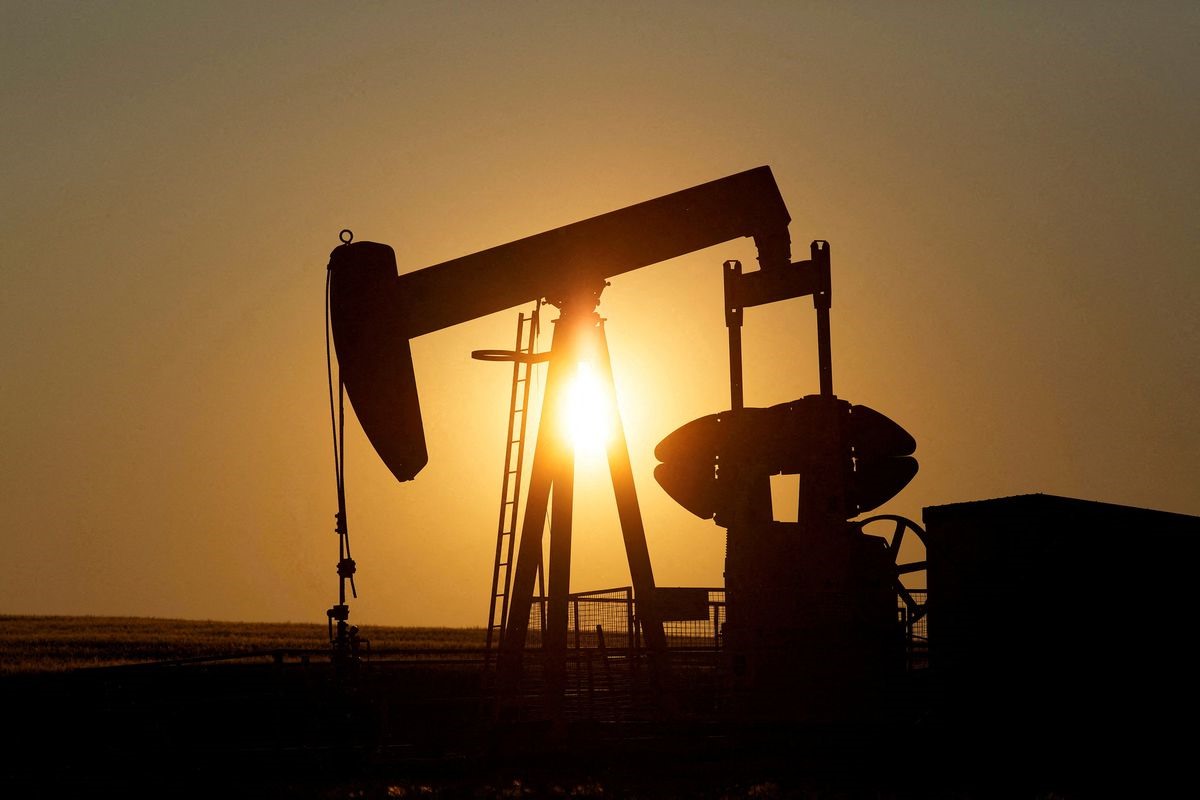
Phó Thủ tướng Nga Alexander Novak cho rằng kỳ vọng tăng trưởng kinh tế toàn cầu yếu hơn là nguyên nhân dẫn đến quyết định cắt giảm sản lượng dầu của Mátxcơva và các đồng minh OPEC.
Hãng tin TASS dẫn lời Bộ trưởng Năng lượng Nga Nikolai Shulginov cho biết nước này rất có thể sẽ giảm sản lượng khai thác dầu khoảng 2% trong năm nay.
"Bức tranh lớn hơn là OPEC+ đang sản xuất thấp hơn rất nhiều so với mục tiêu sản lượng và điều này có vẻ không thay đổi do Angola và Nigeria dường như không thể trở lại mức sản xuất trước đại dịch" - Caroline Bain, nhà kinh tế trưởng về hàng hóa tại Capital Economics, cho biết.
Giá dầu đã giảm trong 3 tháng qua từ mức cao nhất trong nhiều năm đạt được hồi tháng 3, trước lo ngại rằng việc tăng lãi suất và các biện pháp ngăn ngừa COVID-19 ở các khu vực của Trung Quốc có thể làm chậm tăng trưởng kinh tế toàn cầu và giảm nhu cầu dầu.
Các biện pháp ngăn chặn COVID-19 tại trung tâm công nghệ Thâm Quyến của Trung Quốc đã được nới lỏng hôm 5.9 khi số ca lây nhiễm mới có dấu hiệu ổn định trở lại mặc dù thành phố vẫn cảnh giác cao độ.
Trong khi đó, các cuộc đàm phán nhằm khôi phục thỏa thuận hạt nhân năm 2015 của phương Tây với Iran đã gặp phải khó khăn mới. Nhà Trắng bác bỏ lời kêu gọi của Iran về một thỏa thuận có liên quan đến việc dừng các cuộc điều tra của cơ quan giám sát hạt nhân Liên Hợp Quốc.
Bộ trưởng Dầu khí Iran cho biết thị trường năng lượng toàn cầu cần sự gia tăng nguồn cung dầu từ Iran. Thỏa thuận hạt nhân, nếu đạt được, có khả năng trở thành động lực thúc đẩy nguồn cung dầu thô Iran quay trở lại thị trường.
Các nhà phân tích cho biết việc sử dụng dầu trong sản xuất điện cũng được kỳ vọng sẽ tăng lên khi tập đoàn dầu khí Nga Gazprom thông báo ngừng bơm khí đốt qua đường ống Nord Stream do sự cố rò rỉ dầu. Đường ống sẽ bị đóng cho đến khi nào sửa chữa xong.
Cơ quan Năng lượng Quốc tế tháng trước đã nâng dự báo nhu cầu dầu trong năm, một phần vì cơ quan này kỳ vọng việc chuyển đổi từ khí đốt sang dầu ở một số quốc gia do giá điện và giá khí đốt tăng kỷ lục.