
Theo sách Old Farmer's Almanac, tên gọi Trăng sói (Wolf moon) xuất phát từ việc người dân trong các bộ tộc Mỹ thường nghe thấy tiếng tru dài của những đàn sói mỗi đêm gần ngày rằm thời điểm này trong năm.
Mặt trăng sẽ đạt đỉnh lúc 23h51. Theo NASA, để ngắm Trăng sói, hãy nhìn phía trên đường chân trời theo hướng đông-đông bắc. Quan sát kỹ có thể phát hiện một ngôi sao sáng gần trăng tròn. Đó là Pollux, một ngôi sao thuộc chòm sao Song Tử (Gemini).
NASA cũng lưu ý rằng, cả sao Mộc và sao Thổ cũng sẽ có thể nhìn thấy được, nhưng chúng sẽ nằm đối diện với mặt trăng ở trên đường chân trời phía tây nam.
Có rất nhiều tên gọi cho trăng rằm đầu tiên của năm ngoài Trăng sói, bao gồm cả Trăng già (Old moon) và Trăng băng (Ice moon).
Người theo đạo Hindu gọi nó là Shakambhari Purnima, đánh dấu ngày cuối cùng của Shakambari Navratri - lễ hội kéo dài 8 ngày tôn vinh nữ thần Shakambhari. Người dân ở Ấn Độ thường tắm ở các vùng nước thiêng trong thời gian này.
Những người Assiniboine sống ở Đại Bình nguyên Bắc Mỹ (Northern Great Plains) gọi đây là trăng giữa vì nó xuất hiện vào khoảng giữa mùa đông, theo Old Farmer's Almanac.
Người Algonquin nằm ở phía đông bắc của Đại Ngũ hồ ở Mỹ, gọi nó là "squochee kesos", có nghĩa là "mặt trời không đủ sức để tan băng". Người Cheyenne ở Đại Bình nguyên gọi nó là "trăng lạnh sâu".
Siêu trăng
Năm 2022 có 2 siêu trăng. Các định nghĩa về siêu trăng có thể khác nhau, nhưng thuật ngữ này thường biểu thị trăng tròn sáng hơn và gần Trái đất hơn bình thường và do đó xuất hiện lớn hơn trên bầu trời đêm.
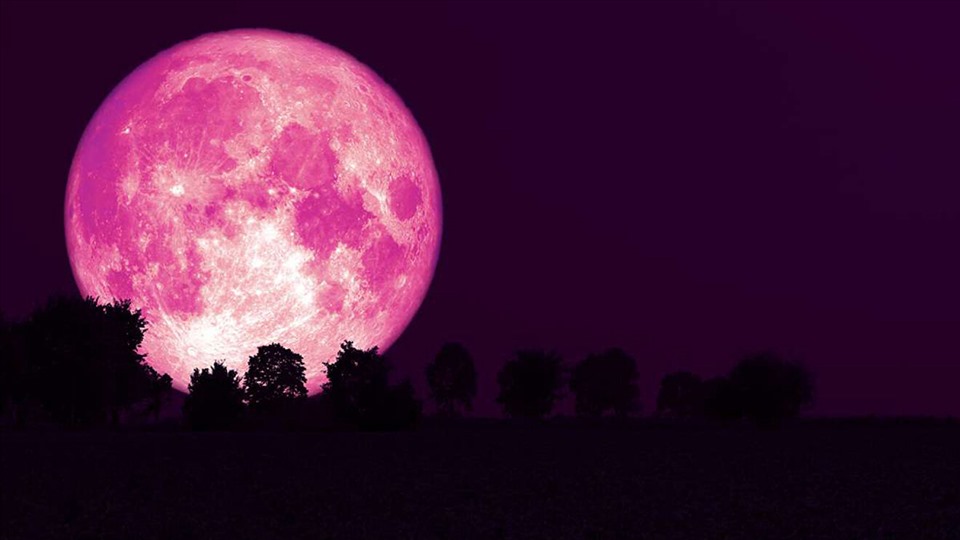
Một số nhà thiên văn học nói rằng hiện tượng này xảy ra khi mặt trăng nằm trong khoảng 90% chu vi - là cách nó tiếp cận gần nhất với Trái đất trên quỹ đạo. Theo định nghĩa đó, trăng tròn tháng 6 và trăng tròn tháng 7 sẽ được coi là siêu trăng.
Dưới đây là danh sách các trăng rằm còn lại cho năm 2022.
- Ngày 16.2: Trăng tuyết (Snow moon)
- Ngày 18.3: Trăng giun (Worm moon)
- Ngày 16.4: Trăng hồng (Pink moon)
- Ngày 16.5: Trăng hoa (Flower moon)
- Ngày 14.6: Trăng dâu tây (Strawberry moon)
- Ngày 13.7: Trăng sấm (Thunder moon)
- Ngày 11.8: Trăng cá tầm (Sturgeon moon)
- Ngày 10.9: Trăng mùa gặt (Harvest moon)
- Ngày 9.10: Trăng thợ săn (Hunter’s moon)
- Ngày 8.11: Trăng sương giá (Frost moon)
- Ngày 7.12: Trăng lạnh (Cold moon)
Mặc dù đây là những cái tên phổ biến gắn liền với trăng tròn hàng tháng, nhưng mỗi cái tên đều mang ý nghĩa khác nhau trên khắp các bộ lạc thổ dân Châu Mỹ.
Nhật thực và nguyệt thực
Sẽ có hai lần nguyệt thực toàn phần và hai lần nhật thực một phần vào năm 2022, theo The Old Farmer's Almanac.
Nhật thực một phần xảy ra khi mặt trăng đi qua phía trước mặt trời, nhưng chỉ chặn một phần ánh sáng của nó. Hãy đeo kính nhật thực thích hợp để xem nhật thực một cách an toàn, vì ánh sáng mặt trời có thể gây hại cho mắt.
Những người ở nam Nam Mỹ, đông nam Thái Bình Dương và Nam Cực có thể nhìn thấy nhật thực một phần vào ngày 30.4. Nhật thực một phần vào ngày 25.10 sẽ được quan sát ở Greenland, Iceland, Châu Âu, đông bắc Châu Phi, Trung Đông, Tây Á, Ấn Độ và tây Trung Quốc.
Nguyệt thực xảy ra vào thời điểm trăng tròn, khi mặt trời, Trái đất và mặt trăng thẳng hàng, và mặt trăng đi vào bóng của Trái đất.
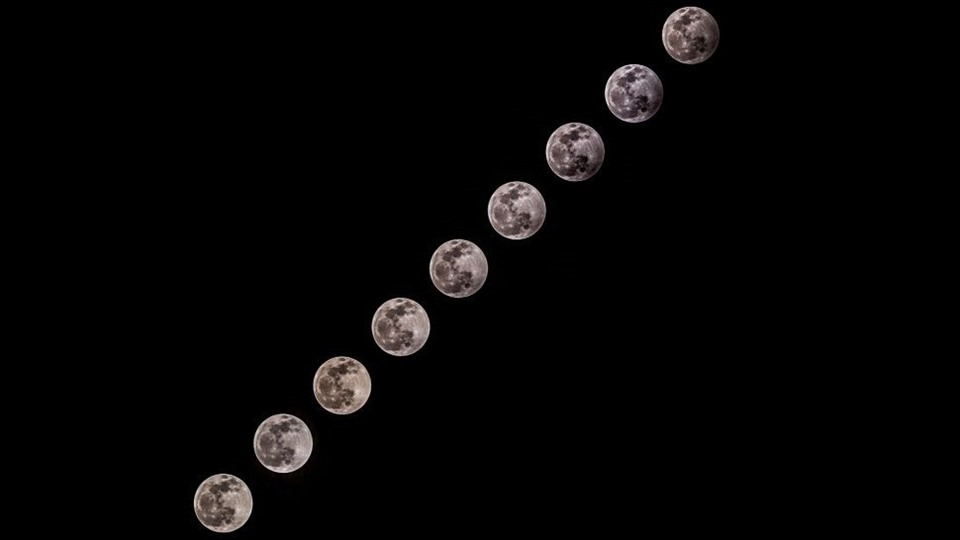
Khi trăng tròn di chuyển vào bóng của Trái đất, nó sẽ tối đi, nhưng nó sẽ không biến mất. Ánh sáng mặt trời đi qua bầu khí quyển của Trái đất chiếu sáng mặt trăng một cách ấn tượng, khiến nó có màu đỏ - đó là lý do tại sao đây thường được gọi là "Trăng máu".
Nguyệt thực toàn phần sẽ được nhìn thấy ở Châu Âu, Châu Phi, Nam Mỹ và Bắc Mỹ (ngoại trừ các khu vực Tây Bắc) trong ngày 15-16.5.
Một nguyệt thực toàn phần khác cũng sẽ xuất hiện ở Châu Á, Australia, Thái Bình Dương, Nam Mỹ và Bắc Mỹ vào ngày 8.11.
Mưa sao băng
Năm 2022 bắt đầu với trận mưa sao băng Quadrantid, đạt cực đại vào tuần đầu tiên của tháng 1.
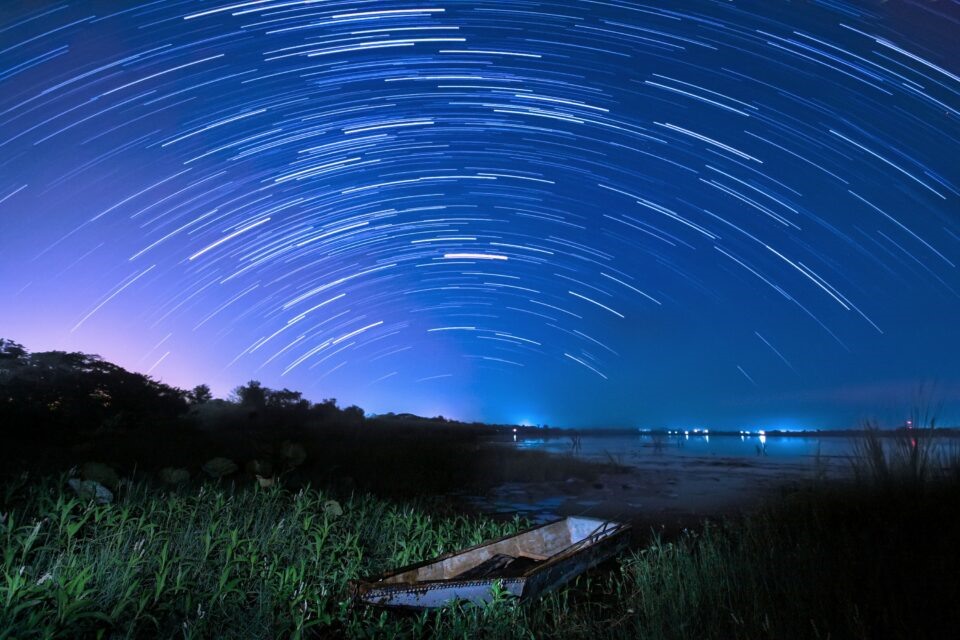
Trận mưa sao băng tiếp theo, mưa sao băng Lyrid, đạt cực đại vào tháng 4.
Dưới đây là những trận mưa sao băng còn lại trong năm 2022:
- Mưa sao băng Lyrid: Ngày 21-22.4
- Mưa sao băng Eta Aquariid: Ngày 4-5.5
- Mưa sao băng Aquariid: Ngày 29-30.7
- Mưa sao băng Alpha Capricornid: Ngày 30-31.7
- Mưa sao băng Perseid: Ngày 11-12.8
- Mưa sao băng Orionid: Ngày 20-21.10
- Mưa sao băng Nam Taurid: Ngày 4-5.11
- Mưa sao băng Bắc Taurid: Ngày 11-12.11
- Mưa sao băng Leonid: Ngày 17-18.11
- Mưa sao băng Geminid: Ngày 13-14.12
- Mưa sao băng Ursid: Ngày 21-22.12


