
Theo định vị tại Hà Nội trên trang Time and Date, thời gian cực đại của mưa sao băng Geminid sẽ bắt đầu từ 18h51 ngày 14.12 và kết thúc vào 8h53 ngày 15.12.
Mưa sao băng Geminid được biết đến là trận mưa sao băng hoạt động mạnh nhất trong năm, với 100 đến 150 sao băng mỗi giờ. Tuy nhiên, năm nay, mưa sao băng chỉ đạt cực đại vài ngày trước ngày trăng tròn tháng 12 vào ngày 18.12, có nghĩa là ánh trăng rằm có thể cản trở việc xem bất kỳ sao băng chói lọi nào.
Trang Space cho hay, NASA phát trực tiếp về mưa sao băng cực đại, bắt đầu từ 9h ngày 14.12, sử dụng máy ảnh sao băng tại Trung tâm bay không gian Marshall của cơ quan vũ trụ ở Huntsville, Alabama. Mặt trăng tròn khoảng 80% và có thể giảm tầm nhìn xuống còn 30 đến 40 sao băng mỗi giờ. Buổi phát trực tiếp có thể xem trên trang Facebook Meteor Watch của NASA.
Mưa sao băng Geminid được đặt tên theo chòm sao Gemini (Song Tử), nơi chúng dường như bắt nguồn. Các thiên thạch có màu xanh lục là mảnh vỡ của tiểu hành tinh cổ đại được gọi là 3200 Phaethon, để lại một vệt mảnh vụn khi nó quay quanh Mặt trời. Mỗi năm một lần, Trái đất đi qua đường bụi của vật thể, tạo ra một màn sao băng ngoạn mục mà hầu hết thế giới có thể nhìn thấy.
Tuy nhiên, đã có một số tranh luận về bản chất chính xác của 3200 Phaethon. Trong khi một số nhà thiên văn học khẳng định quỹ đạo của nó và những điểm tương đồng với tiểu hành tinh vành đai chính Pallas khiến nó trở thành một tiểu hành tinh, những người khác lại cho rằng nó thực sự là một sao chổi đã tuyệt chủng, với những quan sát cho thấy một lượng nhỏ vật chất rời khỏi bề mặt của Phaethon.
NASA viết trong tuyên bố: "Dù bản chất của Phaethon là gì, các quan sát cho thấy mưa sao băng Geminid dày đặc hơn các thiên thạch thuộc các trận mưa sao băng khác, cho phép chúng bay xuống độ cao 47km trên bề mặt Trái đất trước khi bốc cháy. Các thiên thạch thuộc các trận mưa sao băng khác, như Perseid, bốc cháy cao hơn nhiều".
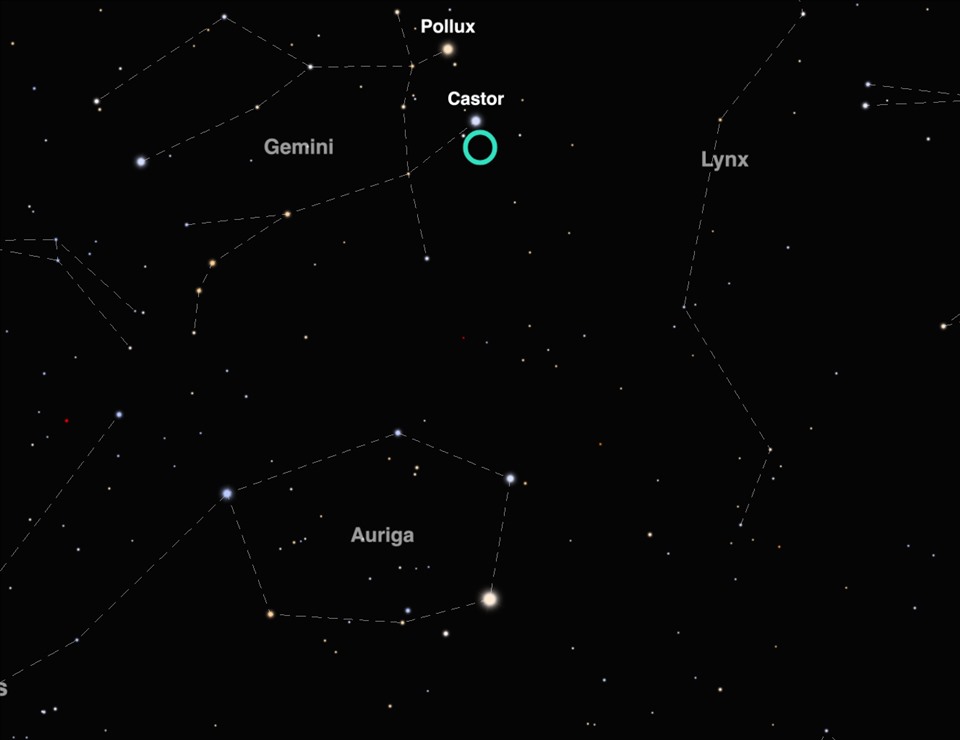
Mưa sao băng Geminid, di chuyển 125.500 km/h, được quan sát tốt nhất ở Bắc bán cầu, nơi điểm phát mưa sao băng - hoặc điểm trên bầu trời mà từ đó các thiên thạch xuất hiện - nằm gần chòm sao Song Tử trên bầu trời phía Bắc. Ở Nam bán cầu, điểm phát mưa sao băng Geminid gần đường chân trời hơn, có nghĩa là ít Geminid có thể nhìn thấy ở các vị trí phía nam hơn.
Nếu bạn bỏ lỡ cực điểm của mưa sao băng Geminid tối nay, đừng lo lắng - mưa sao băng sẽ vẫn hoạt động cho đến ngày 18.12. Nếu bạn định ngắm mưa sao băng ngoài trời, hãy nhớ quấn khăn và cho mắt thời gian để thích nghi với bóng tối.


