Ủy ban châu Âu phê duyệt vào ngày 21.6 theo các quy định viện trợ nhà nước của Liên minh châu Âu (EU), Oilprice.com cho hay.
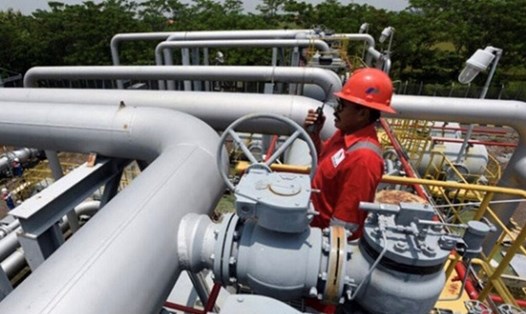
Theo đó, Ủy ban châu Âu chấp thuận kế hoạch của Đức nhằm hỗ trợ xây dựng Mạng lưới lõi hydro (HCN). Mạng lưới này dự kiến là xương sống của các đường ống dẫn khí vận chuyển hydro đường dài ở Đức. Mạng lưới này cũng là một phần của xương sống hydro châu Âu kết nối một số quốc gia thành viên EU.
Viện trợ của nhà nước Đức được thiết lập để góp phần đạt được các mục tiêu trong Chiến lược Hydro EU và gói "Fit for 55" thông qua việc cấp phép cho cơ sở hạ tầng truyền tải hydro cần thiết để thúc đẩy việc sử dụng hydro tái tạo trong công nghiệp và giao thông vận tải vào năm 2030, theo Ủy ban châu Âu.
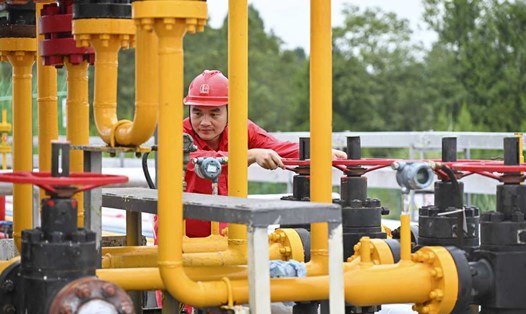
Khoản đầu tư này bao gồm tái sử dụng các đường ống dẫn khí hiện có để vận chuyển hydro cũng như xây dựng các đường ống và trạm nén hydro mới.
Việc xây dựng và vận hành Mạng lưới lõi hydro của Đức sẽ do các nhà vận hành hệ thống truyền tải hydro (TSO) tài trợ và do cơ quan mạng lưới liên bang Đức Bundesnetzagentur lựa chọn. Khoản viện trợ này sẽ theo hình thức bảo lãnh của nhà nước, cho phép các TSO có được các khoản vay ưu đãi hơn để bù đắp những tổn thất ban đầu trong giai đoạn phát triển Mạng lưới lõi hydro.
Đường ống dẫn khí chính đầu tiên của mạng lưới dự kiến đi vào hoạt động năm 2025, dự kiến toàn bộ Mạng lưới lõi hydro hoàn tất năm 2032.
Đức đặt cược vào hydro để phi carbon hóa nền kinh tế. Đầu năm nay, Công ty SEFE do nhà nước Đức kiểm soát cho biết có kế hoạch đầu tư khoảng 534 triệu USD để tái sử dụng một số địa điểm lưu trữ khí đốt dưới lòng đất và đường ống dẫn khí đốt vào cơ sở hạ tầng phù hợp để lưu trữ và vận chuyển hydro xanh.
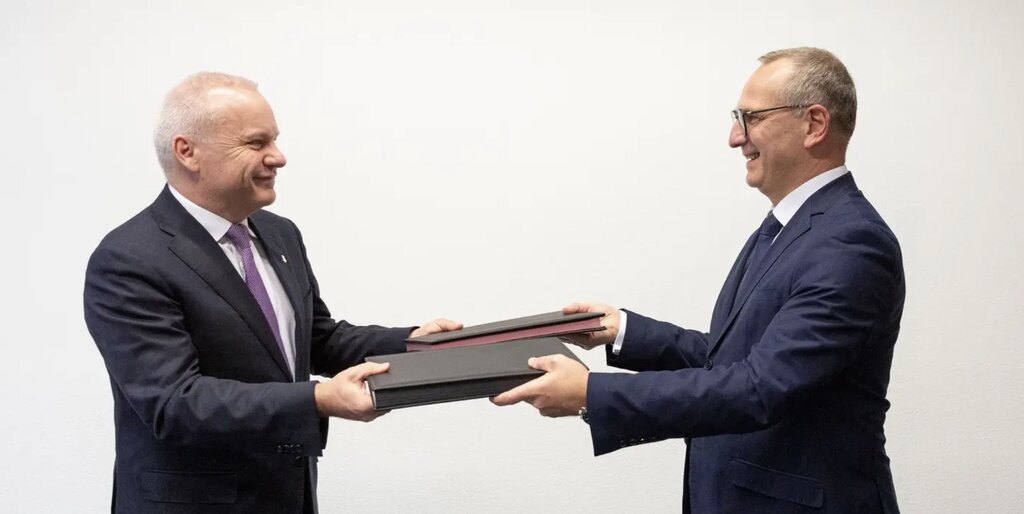
Tháng 12 năm ngoái, SEFE và Equinor của Na Uy đã ký hợp đồng năng lượng trị giá ước tính khoảng 54 tỉ USD (50 tỉ euro). Thỏa thuận cũng bao gồm một ý định thư không ràng buộc có nội dung SEFE có khả năng nhận được nguồn hydro carbon thấp, quy mô lớn từ Equinor bắt đầu từ năm 2029 và tiếp tục đến năm 2060.
Theo Reuters, liên minh cầm quyền của Đức đã nhất trí vào tháng 4 năm nay về cơ chế tài chính và gia hạn thời hạn xây dựng hệ thống đường ống Mạng lưới lõi hydro (HCN) thêm 5 năm đến năm 2037, đồng thời đưa ra biện pháp bảo vệ cho các nhà đầu tư trong trường hợp phá sản.
Nhiều quốc gia đang hướng tới hydro - loại năng lượng có thể được tạo ra từ năng lượng gió và mặt trời để trở thành một dạng năng lượng xanh dễ lưu trữ hơn - nhằm đạt được mức phát thải khí nhà kính bằng 0.
Hydro được nhiều người coi là nguồn năng lượng không carbon khả thi duy nhất cho nhiều quy trình trong ngành công nghiệp nặng, bao gồm ngành thép, hóa chất, lọc dầu, thủy tinh và gốm sứ.
Đức đang nhắm mục tiêu hơn 9.700 km đường ống dẫn khí hydro, với hệ thống truyền tải khí đốt hiện có chiếm tới 60% mạng lưới, để cung cấp năng lượng cho các khu công nghiệp nặng không thể chuyển sang sử dụng điện.
Hydro xanh được sản xuất bằng cách tách các phân tử nước thông qua quá trình điện phân sử dụng năng lượng tái tạo và mạng lưới đường ống dẫn khí của Đức sẽ cần kết nối các khu năng lượng gió ở phía bắc với các trung tâm công nghiệp ở phía nam.