Bulgarian shipping company Navibulgar denied allegations that one of its ships intentionally severed an undersea fiber optic cable connecting Latvia and the Swedish island of Gotland, AP reported on January 27.
On the evening of January 26, Swedish prosecutors announced the launch of a preliminary investigation on suspicion of sabotage, after the ship was detained in the Baltic Sea.
Navibulgar CEO Alexander Kalchev said it was possible the Vezhen had caused the cable to snap, but dismissed any theories of sabotage or any deliberate action by the crew.
Mr. Kalchev quoted the crew as saying that the ship was moving in severe weather conditions late on January 26. At that time, the crew discovered that the left anchor was dragging on the seabed.
The automatic identification system shows that the Vezhen passed the cable location, but the time of the cable break is still unknown.
"I hope that investigators will soon clarify that this was not a deliberate act but just a technical problem due to bad weather, so that the ship can be released," said Mr. Kalchev.
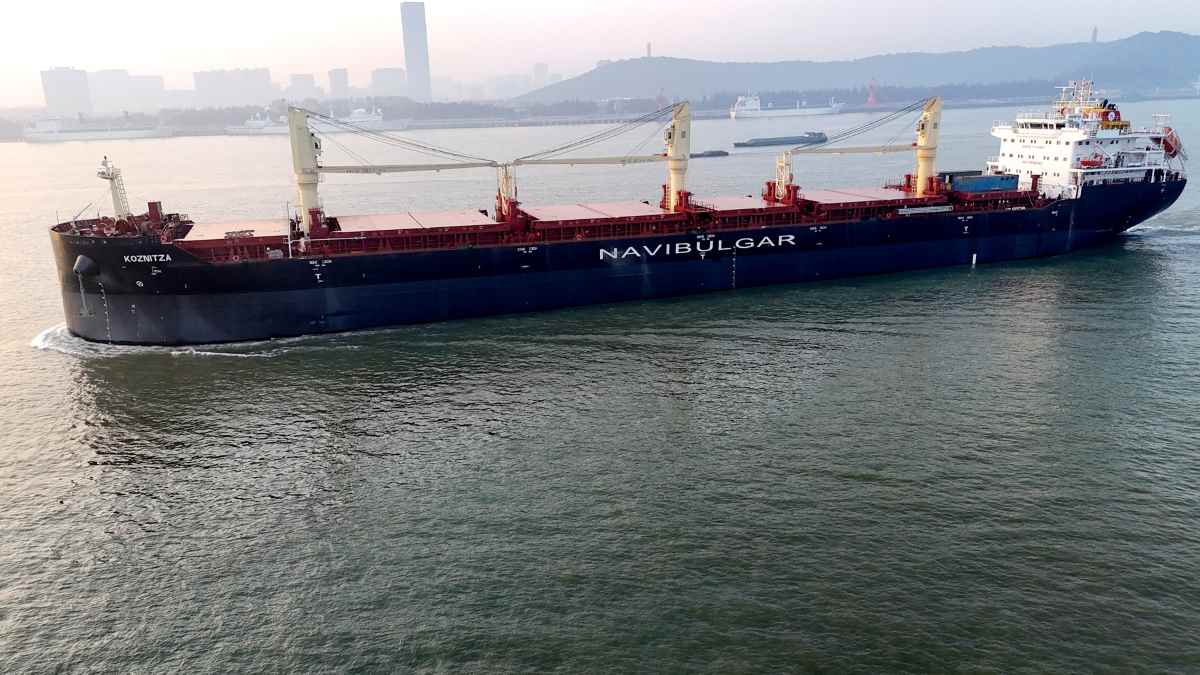
The Vezhen, which flies a Maltese flag and is carrying fertilizer, is headed to South America. The 32,000-ton ship is scheduled to be launched in 2022, Kalchev said.
The Swedish prosecutor's office said it was carrying out a series of specific investigative measures, involving the National Police, the Coast Guard and the Army. Senior prosecutor Mats Ljungqvist said it was part of a serious investigation into regional security.
Swedish authorities have boarded the Vezhen to conduct an investigation. A spokesman for the Swedish Security Service said the investigation was ongoing but did not provide further details.
According to data from MarineTraffic, the Vezhen was escorted into Swedish waters and anchored near the Karlskrona naval base. Footage from Swedish television station TV4 showed the ship appeared to have a broken anchor.
Meanwhile, the Latvian government has confirmed that the damaged fiber-optic cable in Sweden's exclusive economic zone was likely caused by "external influence." The incident prompted NATO to deploy patrol ships to the area and triggered a sabotage investigation.
The incident comes after Finnish police last month detained a Russian tanker suspected of dragging its anchor, damaging several telecommunications cables and the Estlink 2 power line connecting Finland and Estonia.
Estonian Foreign Minister Margus Tsahkna wrote on social network X: "I don't believe in coincidences that undersea infrastructure failures in the Baltic happen so often."
While public opinion has raised many questions, the Bulgarian company Navibulgar and the crew of the Vezhen ship still maintain their innocence, waiting for the results of the investigation. Was this just a technical accident or a link in a chain of mysterious incidents?