
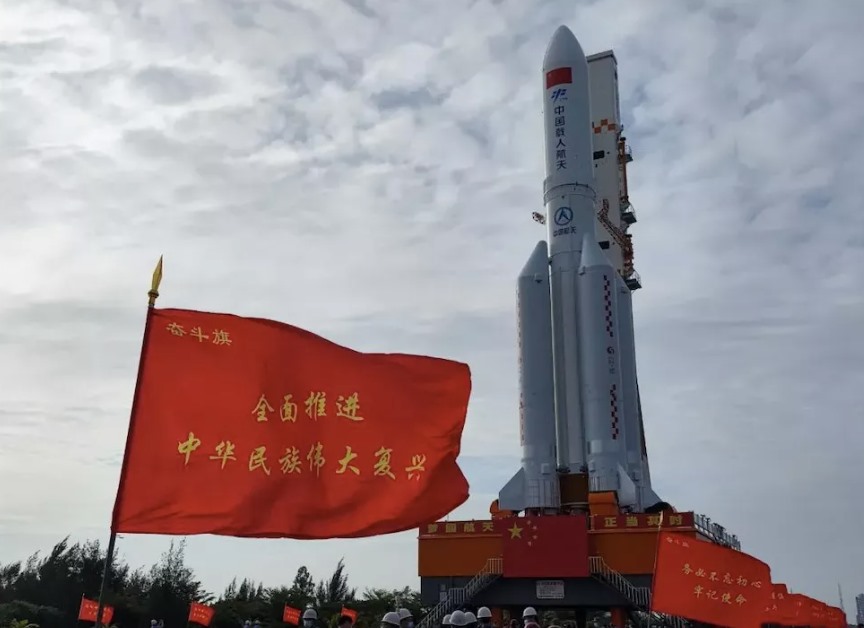
Theo Space.com, mảnh vỡ được đề cập là phần lõi của tên lửa đẩy Trường Chinh-5B. Tên lửa này mang theo module phòng thí nghiệm Mộng Thiên đã được phóng lên vũ trụ từ bãi phóng Văn Xương, trên bờ biển đảo Hải Nam, miền Nam Trung Quốc hôm 31.10.
Module phòng thí nghiệm Mộng Thiên là module thứ ba và cuối cùng của trạm vũ trụ Trung Quốc mang tên Thiên Cung. Module Mộng Thiên được ghép nối với 2 module đã được đưa lên quỹ đạo trước đó ở độ cao 400km, qua đó đưa việc xây dựng trạm vũ trụ Trung Quốc vào giai đoạn hoàn tất.
Cơ quan Phát triển công nghệ không gian và tin học Thái Lan (GISTDA) ngày 3.11 cho biết có khả năng mảnh vỡ của Trường Chinh 5B sẽ rơi xuống nước này, tuy nhiên xác suất chỉ là 1,4%.
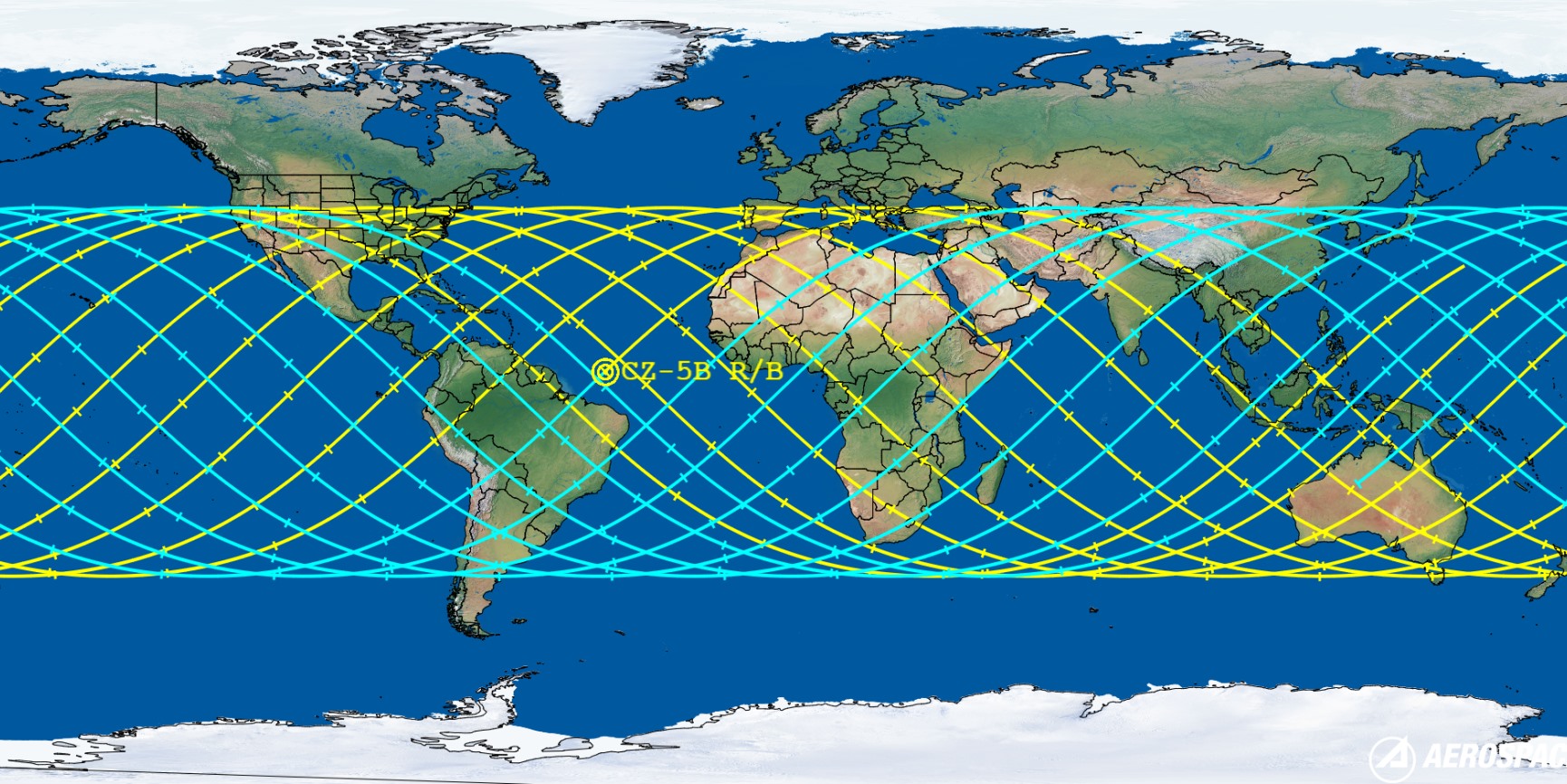
Các quan sát và mô hình mới nhất cho thấy mảnh vỡ của tên lửa Trường Chinh-5B sẽ rơi xuống bề mặt Trái đất vào ngày 4.11, nhưng sai số về thời gian rất lớn.
Ví dụ, tập đoàn Mỹ Aerospace Corporation dự đoán mảnh vỡ tên lửa tái nhập bầu khí quyển vào 11h20 GMT (18h20 giờ Việt Nam), cộng hoặc trừ ba giờ. Khoảng thời gian này đặt một số khu vực Bắc Mỹ, gần như toàn bộ Trung Mỹ, phần lớn Châu Phi, một phần đông nam Australia, và một số khu vực khác, vào vùng tiềm ẩn nguy cơ.
Các mảnh vỡ tên lửa Trường Chinh-5B đã rơi trở lại Trái đất một cách không kiểm soát trong cả ba lần phóng trước đó, gần đây nhất là vào tháng 7, sau khi Trung Quốc phóng tên lửa đưa module Vấn Thiên lên trạm vũ trụ Thiên Cung.
Theo Space.com, đây là một tính năng khá bất tiện của Trường Chinh-5B. Các tên lửa quỹ đạo khác được thiết kế sao cho giai đoạn đầu của chúng lao xuống đại dương hoặc qua vùng đất không có dân cư ngay sau khi cất cánh, hoặc, trong trường hợp Falcon 9 và Falcon Heavy của SpaceX, rơi xuống toàn bộ để tái sử dụng trong tương lai.
Nhưng giai đoạn lõi của Trường Chinh-5B đạt đến quỹ đạo và không có cách nào để tự điều khiển, vì vậy nó rơi tự do trở lại Trái đất.
Mặc dù phần lớn thân tên lửa sẽ bốc cháy trong khí quyển khi nó rơi xuống, nhưng một số mảnh cứng hơn sẽ rơi xuống mặt đất, gây rủi ro cho con người và hạ tầng.
"Quy tắc chung là 20-40% khối lượng của một vật thể lớn sẽ rơi xuống tới mặt đất, nhưng con số chính xác phụ thuộc vào thiết kế của vật thể" - Aerospace Corporation giải thích, nói rằng trong trường hợp này, dự kiến mảnh vỡ nặng khoảng 5 đến 9 tấn sẽ chạm tới mặt đất.
Thông thường, những mảnh vỡ như vậy có thể sẽ rơi xuống đại dương, vì biển bao phủ khoảng 70% bề mặt Trái đất. Nhưng mảnh vỡ từ vụ phóng Trường Chinh-5B lần đầu tiên, vào tháng 5 năm 2020, dường như đã rơi xuống một ngôi làng ở Bờ Biển Ngà thuộc Tây Phi.
Không ai bị thương trong sự cố đó hoặc trong bất kỳ vụ rơi nào khác của Trường Chinh-5B cho đến nay. Nhưng việc mảnh vỡ tên lửa rơi có thể gây ra bất kỳ rủi ro nào, dù nhỏ, đã dấy lên chỉ trích từ cộng đồng.
"Các quốc gia thám hiểm vũ trụ phải giảm thiểu rủi ro đối với con người và tài sản trên Trái đất khi tái nhập khí quyển các vật thể không gian và tối đa hóa tính minh bạch liên quan đến các hoạt động đó" - giám đốc NASA Bill Nelson cho biết trong một tuyên bố được đăng ngay trước vụ rơi mảnh vỡ Trường Chinh-5B vào tháng 5.2021.


