
Russian Security Council Secretary Sergey Shoigu on April 16 declared that Moscow has the right to respond if Finland and 3 Baltic countries including Lithuania, Latvia and Estonia "intentionally allow" Ukrainian unmanned aerial vehicles (UAVs) to use airspace to attack Russian territory.
According to Mr. Shoigu, UAV attacks targeting Russia recently have shown signs of increasing, including routes passing through the airspace of the above-mentioned 4 NATO countries. "Citizens are affected and civil infrastructure is significantly damaged," he said.
Russian officials raised 2 possibilities: One is that Western air defense systems are not effective enough to intercept UAVs, and the other is that these countries "intentionally open airspace", thereby becoming "public accomplices in acts of aggression against Russia".
In the second case, Moscow emphasizes the right to self-defense under Article 51 of the United Nations Charter.
The warning was issued in the context of Ukraine increasing UAV attacks deep into Russian territory. The Russian Ministry of Defense regularly reports shooting down hundreds of unmanned aerial vehicles in just one night, considering these as "terrorist acts".
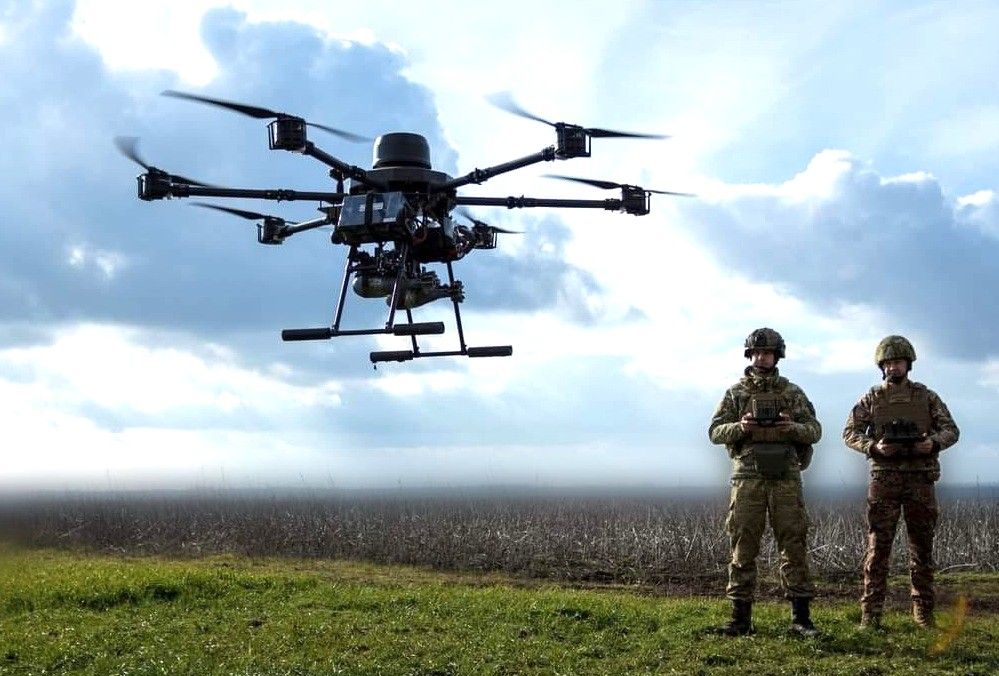
At the end of last month, Russian Baltic seaports such as Ust-Luga and Primorsk were attacked by UAVs, causing fires in areas with important petrochemical infrastructure. These incidents have increased security tensions in an already sensitive area.
Meanwhile, Kremlin aide Nikolay Patrushev said that if the above-mentioned countries allow the use of airspace, it could be considered "direct participation of NATO" in attacks targeting Russia.
A noteworthy point is that since the beginning of March, many UAVs have also crashed or flown into the territory of Finland and the 3 Baltic countries. However, these countries have not issued clear statements condemning Kiev for violating airspace.
Russia had previously sent official warnings to Lithuania, Latvia and Estonia. Russian Foreign Ministry spokeswoman Maria Zakharova emphasized that these countries need to "listen if they are alert enough", otherwise they will face "consequences".
New developments show that the risk of escalation between Russia and NATO is increasing as issues related to airspace and UAVs become hotspots. Moscow's invocation of self-defense rights under international law is a signal that tougher reactions may arise if the situation continues to go beyond control.


