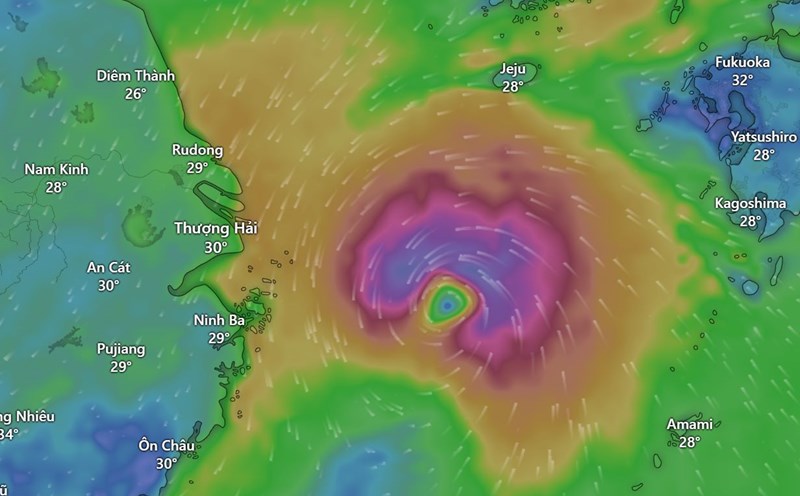
Nhà máy đóng tàu Nga Zvezda đã bắt đầu xây dựng tàu phá băng hạt nhân lớp Leader đầu tiên - RT dẫn thông tin từ Rosatomflot, công ty con của Tập đoàn năng lượng hạt nhân nhà nước Nga Rosatom, cho hay. Chiếc tàu đầu tiên này sẽ được đặt tên là "Russia" (Nga).
"Đây sẽ là tàu phá băng mạnh nhất trong lịch sử đóng tàu toàn cầu, không có chiếc nào tương tự như vậy trên thế giới. Dự án Leader sẽ trở thành nền tảng hạm đội phá băng thế hệ mới của Nga"- công ty cho hay.
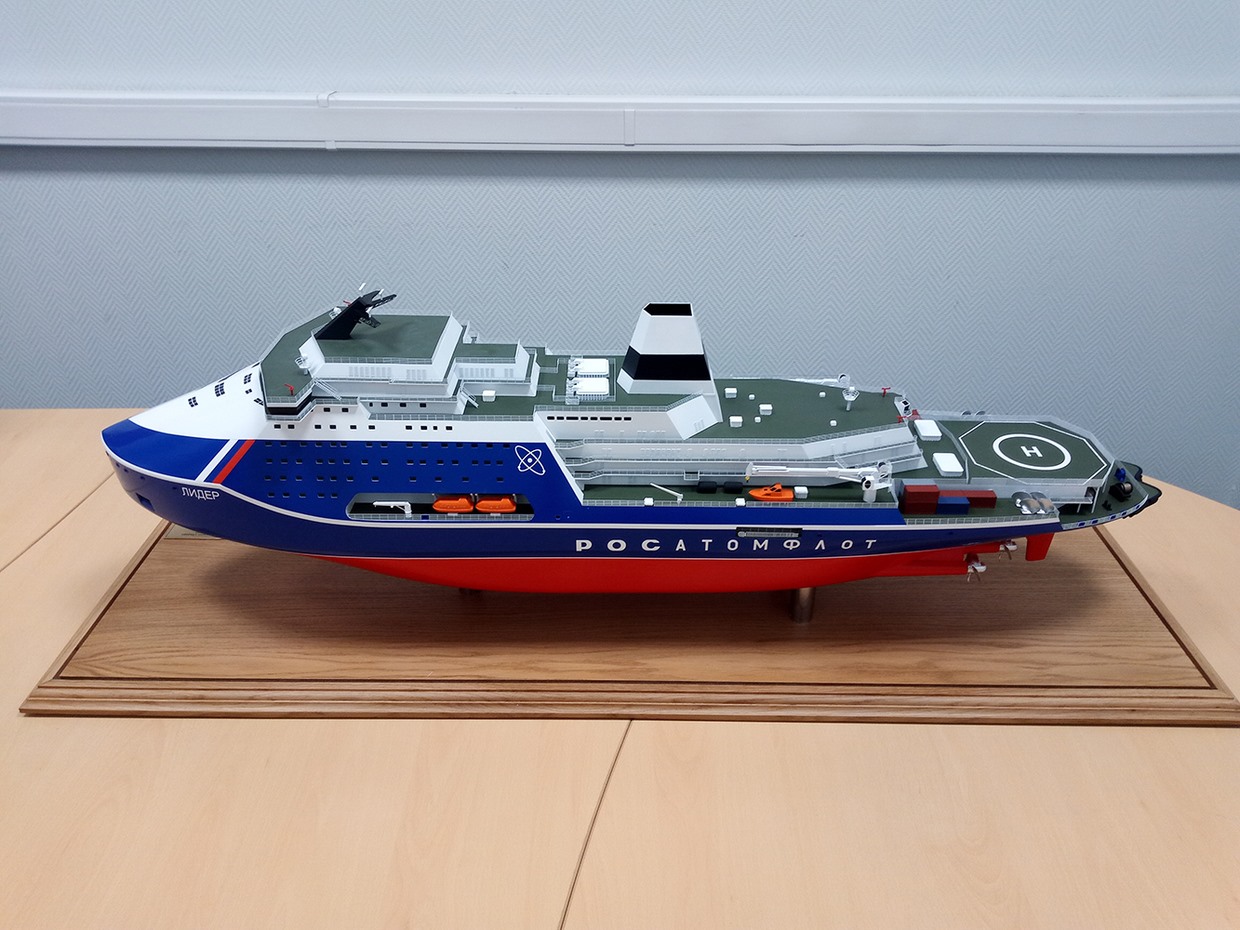
"Tàu phá băng độc đáo có đặc điểm đặc biệt để hoạt động quanh năm ở phía đông Bắc Cực" - giám đốc điều hành Rosatomflot Mustafa Kashka cho biết.
Được hình thành vào năm 2016, tàu phá băng lớp Leader vượt trội so với bất kỳ tàu phá băng chạy bằng năng lượng hạt nhân hiện có, bao gồm cả tàu phá băng Project 22220 mạnh nhất thế giới của Nhật Bản, hiện đang được chế tạo. Tàu đầu tiên của dự án, Arktika, hiện đang trải qua các thử nghiệm cuối cùng và dự kiến sẽ gia nhập hạm đội vào cuối năm nay, trong khi 2 tàu khác thuộc loại này sẽ được hạ thủy trong 2 năm tới.
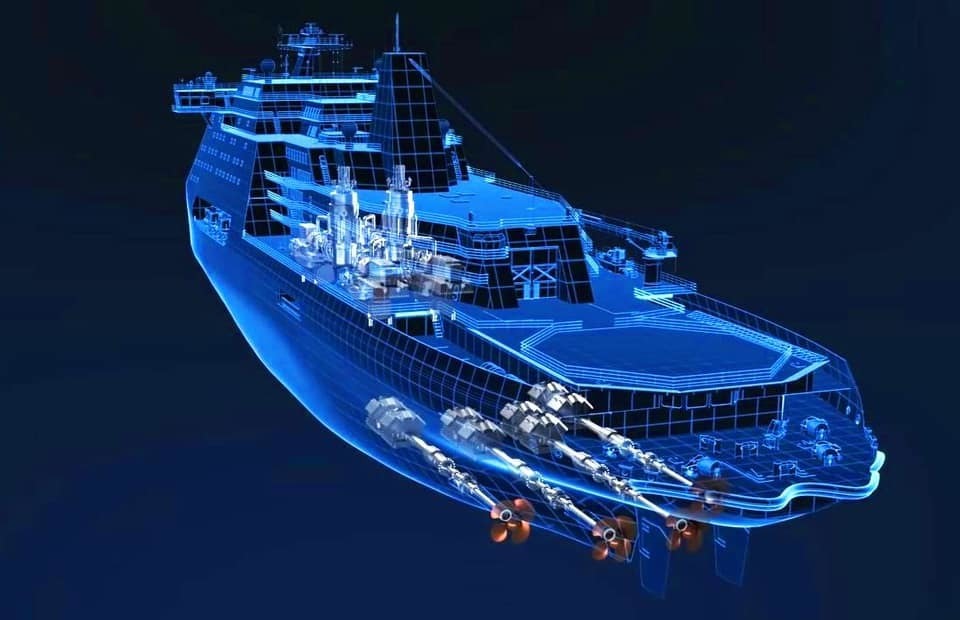
Kích thước của tàu phá băng lớp Leader cũng rất ấn tượng: Con tàu sẽ dài hơn 210 mét - ngắn hơn một chút so với 2 sân bóng đá và cao 47 mét, tương đương với một tòa nhà dân cư 13 tầng.
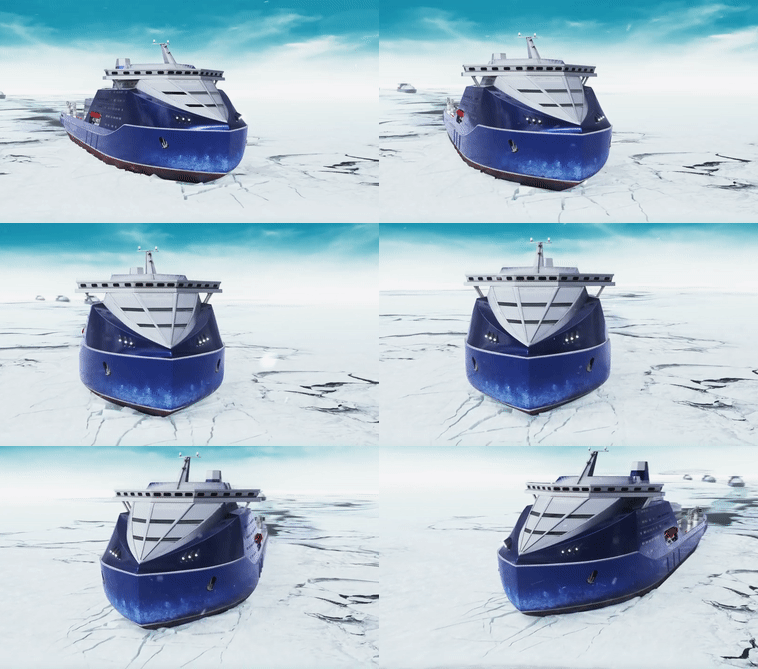
Nga là quốc gia duy nhất trên thế giới vận hành một đội tàu phá băng hạt nhân lớn. Các tàu như vậy lớn hơn và mạnh hơn đáng kể so với các đối tác chạy bằng năng lượng thông thường, do đó có thể hoạt động ở những vùng băng dày ở Bắc Cực. Động cơ chạy bằng năng lượng hạt nhân cho phép các tàu hoạt động tự chủ trong thời gian dài mà không cần phải tiếp nhiên liệu thường xuyên.