Ngày 13.6, Ngân hàng Trung ương Nga cho biết, đồng nhân dân tệ Trung Quốc chiếm 54% thị phần trên thị trường ngoại hối trong tháng 5.
RT đưa tin, Ngân hàng Trung ương Nga công bố, tỉ giá hối đoái nhân dân tệ/rúp giờ đây sẽ thiết lập quỹ đạo cho các cặp tiền tệ khác trên Sàn giao dịch chứng khoán Mátxcơva (MOEX), bao gồm cả đồng euro và đồng USD.
Tuyên bố được đưa ra trong bối cảnh vòng trừng phạt mới nhất của Mỹ đã khiến MOEX tạm dừng giao dịch bằng USD và euro từ ngày 12.6.
Ngày 13.6, Vương quốc Anh cũng làm theo Mỹ, đưa ra các hạn chế đối với hệ thống tài chính của Nga. Tuy nhiên, các giao dịch bằng USD và đồng euro sẽ tiếp tục trên thị trường phi tập trung (OTC).
“Tỉ giá hối đoái nhân dân tệ/rúp sẽ trở thành điểm tham chiếu cho những người tham gia thị trường. Tỉ trọng đồng nhân dân tệ trong giao dịch tại Sàn chứng khoán Mátxcơva trong tháng 5 là 54%. Vì vậy, đồng nhân dân tệ đã trở thành đồng tiền chính trong giao dịch trao đổi”, Ngân hàng Trung ương Nga cho biết.
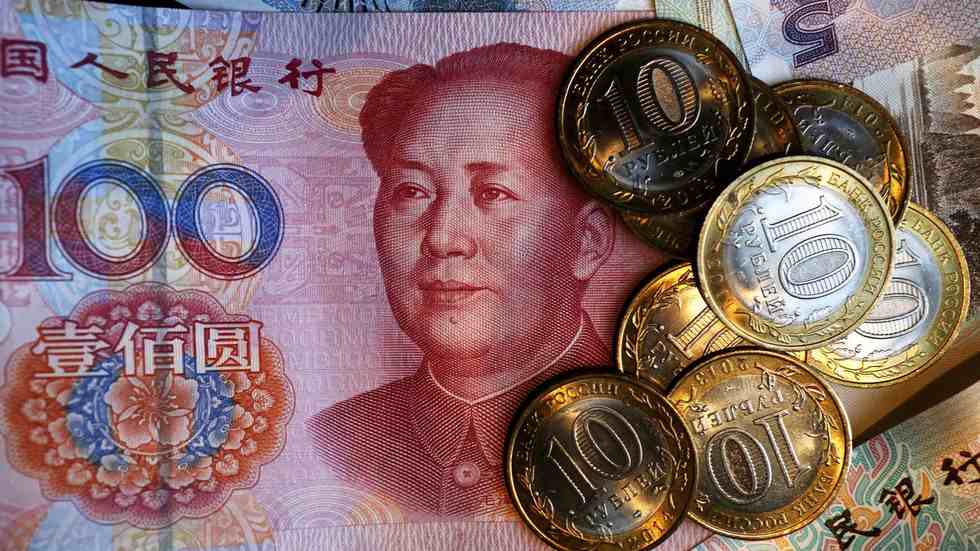
Theo cơ quan quản lý, tỉ trọng của đồng USD và đồng euro trên thị trường Nga đã liên tục giảm trong hai năm qua do sự chuyển hướng của dòng chảy thương mại sang phương Đông và sự thay đổi tiền tệ thanh toán sang đồng rúp, nhân dân tệ và các loại tiền tệ khác của các nước thân thiện.
Nga tích cực thay thế đồng USD và đồng euro trong ngoại thương trong bối cảnh các lệnh trừng phạt của phương Tây áp đặt lên nước này vì cuộc xung đột Ukraina. Kể từ đó, Mátxcơva đã giảm đáng kể số lượng tài khoản ngân hàng và giao dịch giữa các công ty và tổ chức tài chính liên quan đến tiền tệ phương Tây. Trước cuộc xung đột, tỉ trọng của đồng USD và đồng euro trong các giao dịch thanh toán của Nga là khoảng 90%.
Tổng thống Nga Vladimir Putin tuần trước cho biết tại phiên họp toàn thể tại Diễn đàn Kinh tế Quốc tế St. Petersburg rằng tỉ lệ thanh toán cho hàng xuất khẩu của Nga bằng loại tiền tệ được gọi là “độc hại” của các quốc gia không thân thiện đã giảm một nửa.
Ông Putin cho hay, tỉ trọng đồng rúp trong các hoạt động ngoại thương của Nga tiếp tục tăng trong khi thanh toán bằng tiền tệ của các quốc gia “không thân thiện” - những quốc gia áp đặt lệnh trừng phạt chống lại Nga - đang giảm dần.
Ngày 13.6, Sàn giao dịch chứng khoán Mátxcơva cho biết việc đình chỉ giao dịch bằng đồng USD và đồng euro chỉ ảnh hưởng đến giao dịch kim loại quý cũng như giao dịch chứng khoán và tiền tệ trên các thị trường giao dịch công cộng lớn của Nga.
Ngoại trừ USD và euro, tất cả các công cụ tài chính khác vẫn hoạt động. Thị trường phái sinh cũng không bị ảnh hưởng bởi những thay đổi này và giao dịch vẫn diễn ra bình thường.