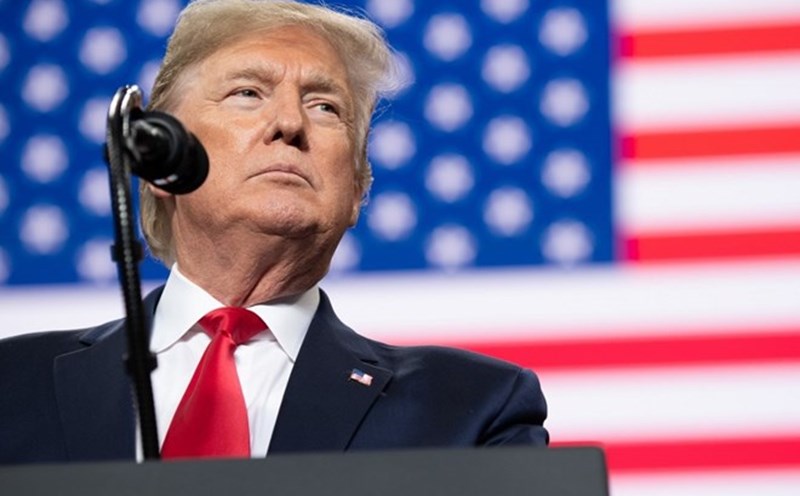
Speaking at the White House on February 27, President Donald Trump affirmed that Cuba is falling into a state of "no money, no necessities" and hinted at the possibility of carrying out a "friendly village" under the guise of a support agreement.
The term "friendly locality" is used in the financial world to refer to the acquisition of a business with the consent of the board of directors. This shows that Mr. Trump is approaching the Cuban issue as a huge merger, where the interests of US corporations are prioritized.
Experts believe that the real goal of the US is to force Cuba to open its market and generate profits for US companies. This "debt seizure" campaign began in early January 2026, after the US controlled oil supplies from Venezuela - Cuba's largest ally.
By threatening to impose sanctions on any country that supplies energy to the island nation, the US has cut off 90% of Cuba's oil imports. As a result, the island is on the verge of a complete humanitarian collapse: the power grid is paralyzed, food and medicine are severely scarce, and the tourism industry has stopped operating due to lack of jet fuel.
US Secretary of State Marco Rubio is leading secret negotiations to force Cuba to expand its private sector. Washington wants to ensure that US businesses can access and transfer profits back to the country from lucrative sectors such as energy, telecommunications and seaports.
Although Mr. Trump described this as a "friendly warming", Cuba is actually facing one of the most fierce economic sieges in history. All hopes of saving the economy are poured into closed-door dialogues between Mr. Rubio and Cuban representatives.
The outcome of this "deal" not only determines Havana's future but is also a test for pragmatic diplomacy strategy, putting business interests above the ideology of Mr. Trump's administration in 2026.