SCMP đưa tin ngày 22.8, khi thông tin về vụ rò rỉ hoá chất lan truyền trên các phương tiện truyền thông xã hội, cư dân của thành phố Lạc Sơn, tỉnh Tứ Xuyên, phía tây nam Trung Quốc, đã tháo chạy bằng ôtô, xe đạp và bất cứ thứ gì khác mà họ có thể tìm thấy để thoát khỏi những hiểm hoạ mà họ nói là sắp xảy ra.
Một người trên Weibo - nền tảng giống Twitter của Trung Quốc - cho biết đã nhìn thấy "sương mù trắng dày đặc” bốc lên từ nhà máy ở quận Ngũ Thông Kiều của Lạc Sơn kể từ đêm 19.8.
Đến ngày 21.8, chính quyền địa phương đã tìm cách xoa dịu những lo ngại của người dân, nói rằng họ đã tiến hành một cuộc điều tra và không có hóa chất độc hại nào được phát hiện trong không khí.
Tuy nhiên, chính quyền cho hay, "một lượng nhỏ" khí hydro clorua đã bị rò rỉ vào sáng 20.8 từ một nhà máy sản xuất polysilicon. Rò rỉ xảy ra khi hệ thống xử lý khí thải của nhà máy bị trục trặc sau khi mất nguồn cung cấp nước và điện.
Bất chấp những nỗ lực của chính quyền để trấn an công chúng, không phải ai cũng bị thuyết phục.
Người dùng Weibo chứng kiến “sương mù trắng dày đặc” gọi phát biểu của chính quyền rằng không có dấu vết của hóa chất trong không khí là “vớ vẩn“.
Một người khác trình bày một lập luận khoa học hơn. Người này cho biết: “Khi tiếp xúc với nước, hydro clorua tạo thành axit clohydric, một loại axit mạnh. Làm sao nó có thể vô hại đối với cơ thể con người? Và bao nhiêu là một lượng nhỏ?”
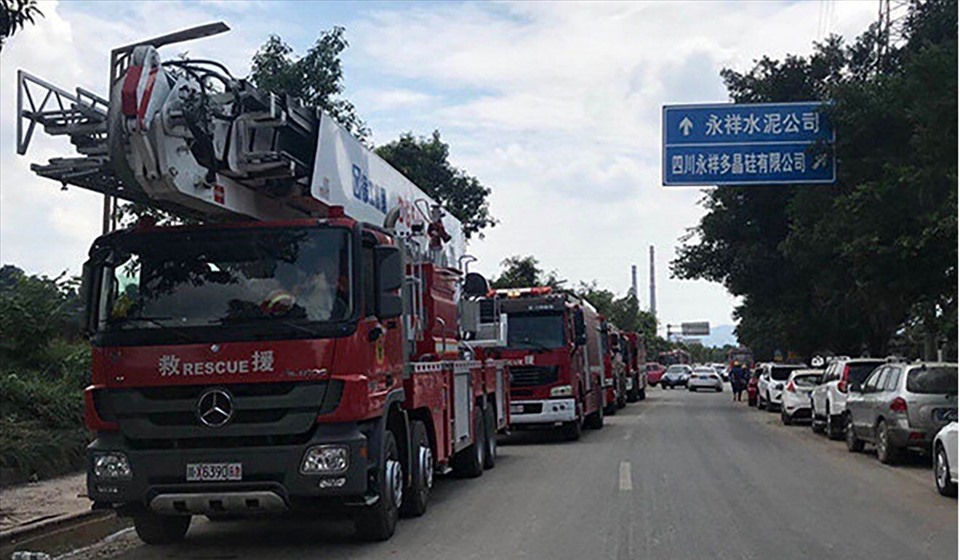
Quận Ngũ Thông Kiều là nơi đặt trụ sở của hơn 60 công ty hóa chất quy mô lớn và cũng là một trong 10 cơ sở sản xuất nguyên liệu thô hàng đầu của Trung Quốc.
Trung Quốc đã trải qua nhiều thảm họa liên quan đến ngành công nghiệp hóa chất. Vào tháng 3 năm ngoái, 78 người đã thiệt mạng và hơn 600 người bị thương sau một vụ nổ nhà máy hóa chất ở tỉnh Giang Tô. Năm 2015, 173 người thiệt mạng khi 700 tấn natri xyanua phát nổ tại một nhà máy hóa chất ở Thiên Tân.
Vụ rò rỉ hóa chất không phải là vấn đề duy nhất xảy ra với Lạc Sơn trong những ngày gần đây.
Ngày 18.8, cảnh sát và các tình nguyện viên đã phải nỗ lực bảo vệ Lạc Sơn Đại Phật khỏi bị nhấn chìm khi lũ lụt trên sông Dương Tử làm nước dâng tới chân bức tượng Phật khổng lồ.
Đài truyền hình CCTV đưa tin, lực lượng cứu hộ dùng các bao cát đắp xung quanh Lạc Sơn Đại Phật nổi tiếng cao 71 mét khi nước lũ dâng tới chân tượng Phật của Trung Quốc lần đầu tiên trong hơn 70 năm.