
On January 26, 2026, the Government issued Decree 46/2026/ND-CP detailing the implementation of a number of articles and measures to organize and guide the implementation of the Food Safety Law. This is considered a step to tighten management towards risk management, strengthening consumer health protection and approaching international practices.
However, the initial phase of simultaneous state inspection of imported food at border gates has raised many problems. According to statistics from functional agencies, from January 26 to the end of January 29, 2026, at road, waterway and air border gates across the country, more than 700 imported shipments were backlogged, with a volume of about 300,000 tons. The main congested goods are fresh agricultural products, preliminary processed products of plant origin such as vegetables, tubers, fruits, rice, rice, cassava; in addition, there are also some processed and pre-packaged agricultural products.
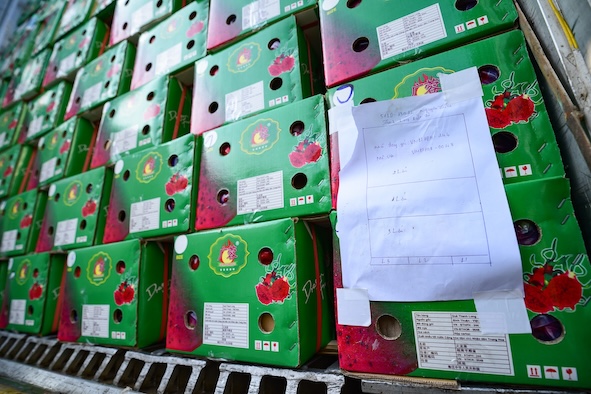
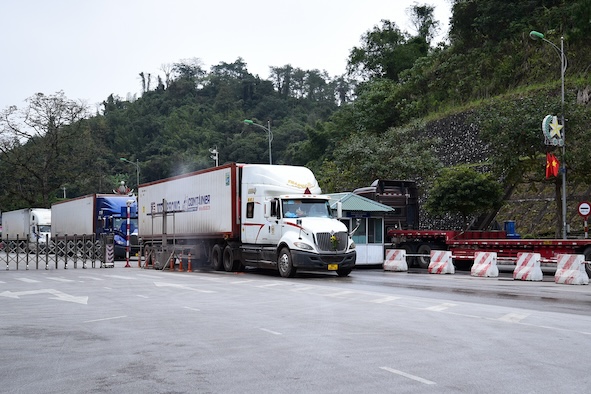
The main reason identified is that Decree 46 took effect immediately, while there was no detailed guidance document on inspection methods, sampling order, and testing time. Notably, the transitional regulations for shipments that have been imported or are undergoing procedures before the decree took effect have not been clarified, causing confusion at border gates. The application of the new inspection method with a result return time of 5–7 days creates great pressure for inspection agencies, testing systems and businesses, especially for fresh, easily damaged goods, and high storage costs.
Before the congestion information, the Department of Crop Production and Plant Protection and the Department of Quality, Processing and Market Development (Ministry of Agriculture and Environment) proactively coordinated with the Food Safety Department (Ministry of Health) to review and assess the situation. Units organized meetings with regional plant quarantine agencies, forces directly carrying out food safety inspections for imported products of plant origin to fully grasp difficulties at each border gate, and at the same time summarize, report and propose solutions to remove obstacles.
According to reports from regional Plant Quarantine Sub-Departments, by the afternoon of January 31, 2026, the congestion at many border gates had been basically resolved, including key border gates such as Tay Ninh and some other areas. Timely clearance helps reduce the risk of agricultural product damage, limit damage to businesses, and avoid disruption of goods supply.
Implementing the direction of Deputy Prime Minister Le Thanh Long in Document No. 102/VPCP-KGVX dated January 31, 2026, the Ministry of Agriculture and Environment said that it will report to the Ministry of Health for synthesis and report to the Government on February 1, 2026 on arising difficulties and obstacles; and at the same time propose to soon have unified guidance to ensure the effective implementation of Decree 46. The Ministry also affirmed that it will continue to closely coordinate with relevant ministries and sectors to both ensure state management requirements on food safety and create favorable conditions for import and export activities, and soon stabilize the customs clearance situation at border gates nationwide.


