
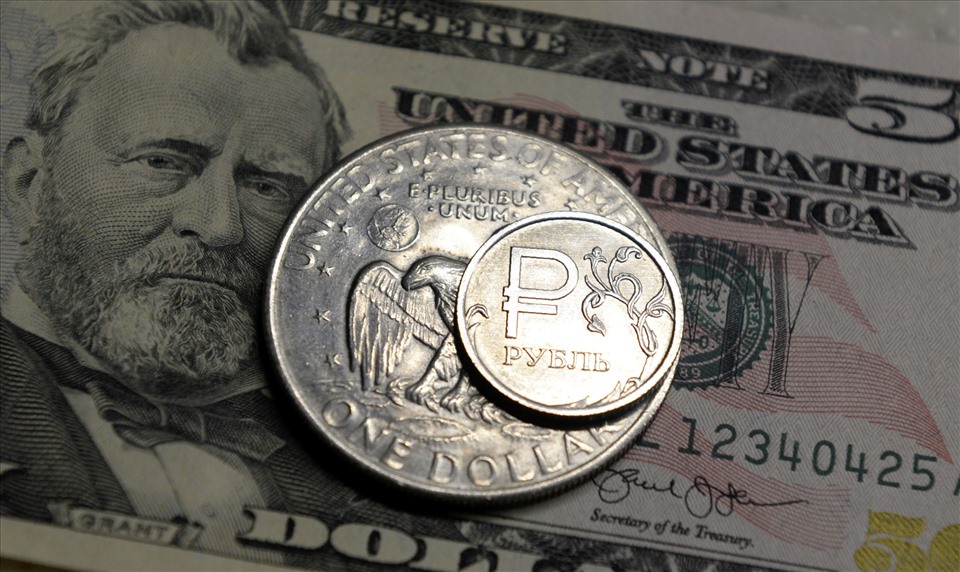
Đồng rúp đã tăng 6,3% để giao dịch ở mức 58,75 so với đồng euro lúc 13h38 giờ GMT ngày 23.5. Đây là tỷ giá mạnh nhất của đồng rúp Nga so với đồng euro kể từ đầu tháng 6.2015, Reuters đưa tin.
Đồng rúp cũng tăng hơn 4,6% so với đồng USD để giao dịch mức 57,47. Đồng rúp đã tăng khoảng 30% so với đồng USD trong năm nay bất chấp cuộc khủng hoảng kinh tế ở Nga.
Theo Reuters, đồng rúp đang được thúc đẩy nhờ các công ty tập trung vào xuất khẩu có nghĩa vụ chuyển đổi nguồn thu ngoại tệ của họ sau khi các lệnh trừng phạt làm gần một nửa dự trữ vàng và ngoại hối của Nga bị đóng băng.
Các nhà phân tích của Tinkoff Investments nhận định, trong khi ngân hàng trung ương và chính phủ Nga ứng phó với các biện pháp trừng phạt, đồng rúp có thể tiếp tục tăng giá hơn nữa trong trung hạn.
"Gần đến mùa thu, tỉ giá hối đoái có thể bắt đầu ổn định gần mức 60-65 khi nhập khẩu phục hồi và các hạn chế có khả năng được dỡ bỏ" - các nhà phân tích của Tinkoff cho hay.
Trong khi đó, các chuyên gia Ngân hàng Otkritie cho biết đồng rúp có thể ổn định ở mức 55 so với USD trong vòng một tháng trước khi ở mức 70-80 trước cuối năm.
Yêu cầu của Nga về việc khách hàng nước ngoài thanh toán khí đốt bằng đồng rúp cũng góp phần vào đà tăng gần đây của tiền tệ Nga, các nhà phân tích chỉ ra hồi tuần trước.
Nguồn cung ngoại tệ từ các nhà xuất khẩu, giá dầu cao và kỳ thuế cuối tháng sắp tới thường thúc đẩy các công ty tập trung vào xuất khẩu chuyển doanh thu ngoại hối thành đồng rúp để thanh toán các khoản nợ trong nước và tất cả những điều này đều hỗ trợ cho đồng tiền Nga, BCS Express nêu trong báo cáo.
Nhật báo Vedomosti ngày 23.5 dẫn các nguồn tin cho hay, ngân hàng trung ương Nga đã bắt đầu mua ngoại tệ để ngăn chặn đồng rúp mạnh lên không kiểm soát.
Ngân hàng trung ương Nga phủ nhận tin tức này, nhấn mạnh "thông tin này không đúng với thực tế".
Các nhà phân tích của Promsvyazbank chỉ ra, nếu ngân hàng trung ương Nga có những biện pháp can thiệp như vậy, tác động lên tỉ giá đồng rúp sẽ đáng chú ý hơn. "Tuy nhiên, những tin tức như vậy có thể ảnh hưởng đến hành vi của các bên tham gia thị trường và dẫn tới sự suy yếu của đồng rúp" - các nhà phân tích lưu ý.
Cũng thông tin về việc đồng rúp tăng lên mức cao nhất so với đồng euro kể từ tháng 7.2015, RT chỉ ra, nhiều khách hàng Châu Âu đang tuân thủ việc mở tài khoản ngoại tệ và đồng rúp với ngân hàng Gazprombank. Theo Phó Thủ tướng Nga Alexander Novak, khoảng một nửa trong số hơn 50 khách hàng nước ngoài của Gazprom đã mở những tài khoản này.
"Sức ép lên đồng USD và đồng euro sẽ tăng lên khi nhiều khách hàng mua khí đốt mở tài khoản đặc biệt hơn. Sẽ không phải sức ép mỗi ngày - và tiền tệ có thể rơi trở lại tầm 59-60 rúp - nhưng chắc chắn sẽ có những làn sóng tăng mới" - ông George Vaschenko, người đứng đầu bộ phận vận hành thị trường chứng khoán Nga tại Freedom Finance, nhận định.
Chuyên gia về tỉ giá và ngoại hối tại Sberbank CIB, ông Yuri Popov, dự đoán đồng rúp có thể đạt mức 50 rúp mỗi USD vào đầu quý thứ ba.


