
Thỏa thuận khí đốt 30 năm giữa Nga và Trung Quốc sẽ thúc đẩy nguồn cung cấp khí đốt thêm 10 tỉ mét khối và sẽ được thanh toán bằng đồng Euro.
RT đưa tin, Tập đoàn Gazprom của Nga và Tập đoàn Dầu khí Quốc gia Trung Quốc (CNPC) đã ký hợp đồng dài hạn thứ hai hôm 4.2 về việc cung cấp 10 tỉ mét khối khí đốt tự nhiên từ vùng Viễn Đông của Nga. Thỏa thuận được ký kết trong chuyến thăm chính thức Trung Quốc của Tổng thống Nga Vladimir Putin.
Theo Gazprom, thỏa thuận này là “một bước quan trọng trong việc tăng cường hơn nữa hợp tác cùng có lợi giữa Nga và Trung Quốc trong lĩnh vực khí đốt”. Khi dự án đạt hết công suất, khối lượng khí đốt của Nga cung cấp cho Trung Quốc qua tuyến Viễn Đông sẽ đạt 48 tỉ mét khối mỗi năm (bao gồm cả việc cung cấp qua đường ống dẫn khí Sức mạnh Siberia).
Theo ước tính của Reuters, hợp đồng khí đốt này có thể mang lại khoảng 37,5 tỉ USD trong vòng 25 năm, nếu tính giá khí đốt trung bình là 150 USD/1.000 m3 như mức giá trong hợp đồng hiện nay giữa Tập đoàn khí đốt Gazprom của Nga với Trung Quốc.
Bên cạnh đó, tập đoàn dầu mỏ khổng lồ của Nga Rosneft do đồng minh lâu năm của ông Putin là Igor Sechin đứng đầu, cũng đã ký một thỏa thuận với CNPC của Trung Quốc để cung cấp 100 triệu tấn dầu thông qua Kazakhstan trong vòng 10 năm, kéo dài thỏa thuận hiện có. Rosneft cho biết thỏa thuận mới trị giá 80 tỉ USD.
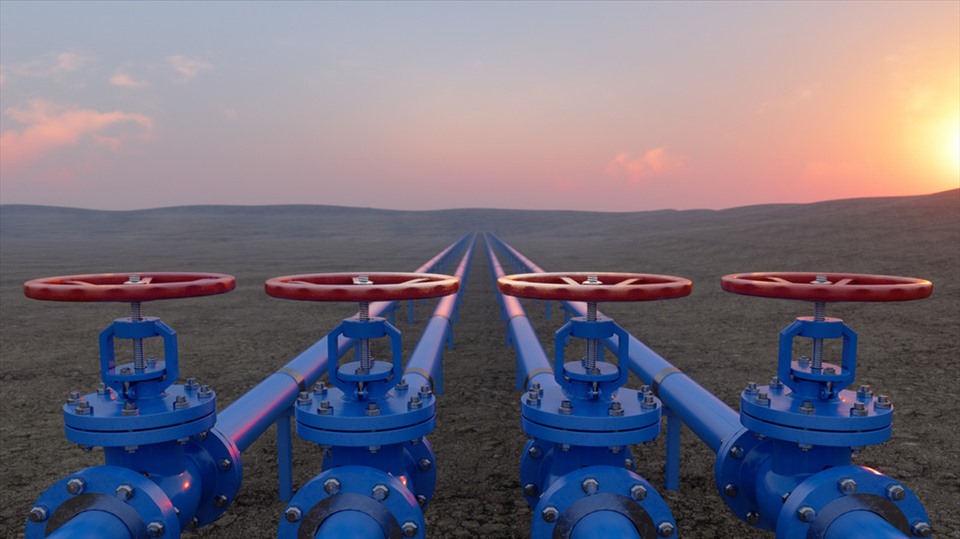
Mỏ khí đốt tự nhiên lớn nhất của Gazprom ở Viễn Đông là mỏ Yuzhno-Kirinskoye, bắt đầu sản xuất vào năm 2023.
“Việc ký kết hợp đồng cung cấp khí đốt thứ hai của Nga cho Trung Quốc nhằm đánh giá sự tin cậy lẫn nhau và quan hệ đối tác cao nhất giữa các nước và các công ty của chúng ta. Các đối tác Trung Quốc của chúng tôi từ CNPC xác nhận rằng Gazprom là nhà cung cấp khí đốt đáng tin cậy” - người đứng đầu Gazprom, Alexey Miller, cho biết.
Theo trợ lý Điện Kremlin Yury Ushakov, nguồn cung năng lượng của Nga cho Trung Quốc đã đạt mức cao kỷ lục.
Gazprom và CNPC đã ký hợp đồng 30 năm đầu tiên về cung cấp khí đốt thông qua đường ống Sức mạnh Siberia vào năm 2014. Đường ống xuyên biên giới dài 3.000 km này là đường ống dẫn khí đốt tự nhiên đầu tiên giữa Nga và Trung Quốc, bắt đầu được giao hàng cách đây 3 năm.
Vào năm 2015, các bên đã nhất trí về việc cung cấp khí đốt thông qua tuyến đường phía Tây, hay Sức mạnh Siberia 2, sẽ cung cấp khí đốt từ Bán đảo Yamal của Siberia, nơi có trữ lượng khí đốt lớn nhất của Nga. Đường ống mới sẽ có thể chuyển thêm 50 tỉ mét khối khí đốt qua Mông Cổ đến Trung Quốc hàng năm.
Vào tháng 1, Gazprom đã hoàn thành bản phân tích dự án xây dựng đường ống dẫn khí đốt Sức mạnh Siberia 2.
Các nhà phân tích cho rằng việc Nga "xoay trục khí đốt" sang Trung Quốc đặt ra thách thức đối với Châu Âu, khu vực đang phải vật lộn với giá năng lượng tăng chóng mặt trong những tháng gần đây.
Các nhà phân tích lưu ý, Nga vẫn là nhà cung cấp khí đốt chính của Châu Âu, nhưng nên xem xét nghiêm túc những thay đổi mà nước này đang thực hiện đối với cơ sở hạ tầng vận tải năng lượng của mình.
Mức tiêu thụ khí đốt hàng năm của Châu Âu là 541 tỉ mét khối, nhiều hơn mức 331 tỉ mét khối của Trung Quốc, nhưng mức tiêu thụ của Trung Quốc dự kiến sẽ tăng lên 526 tỉ mét khối vào năm 2030 khi nước này giảm phụ thuộc vào than đá.
Công ty tư vấn McKinsey ước tính rằng nhu cầu khí đốt của Trung Quốc sẽ tăng gấp đôi vào năm 2035. Mức tiêu thụ khí đốt hàng năm của nước này dự kiến sẽ đạt 620 tỉ mét khối vào năm 2040 và vượt dầu trở thành nguồn nhiên liệu hàng đầu vào năm 2050, theo dữ liệu được tập đoàn năng lượng khổng lồ Sinopec của Trung Quốc công bố vào tháng 9.


