Loay hoay tìm quan điểm thống nhất
Đảng Dân chủ Xã hội (SPD) của Thủ tướng Đức Olaf Scholz mâu thuẫn với Đảng Xanh về tương lai của Nord Stream 2 (Dòng chảy phương Bắc 2) - đường ống mà các nhà phê bình cho rằng sẽ làm tăng đáng kể sự phụ thuộc của Châu Âu vào khí đốt tự nhiên của Nga - trong đó Đảng Dân chủ Xã hội trung tả ủng hộ và Đảng Xanh phản đối.
Ngoại trưởng Đức Annalena Baerbock thuộc Đảng Xanh, người đang có chuyến công du chính thức đầu tiên trên cương vị ngoại trưởng tới Ukraina hôm 17.1 và Nga hôm 18.1, đã chỉ ra rằng Nord Stream 2 không thể tiếp tục nếu Nga có hành động quân sự ở Ukraina.
Đảng Dân chủ Xã hội, những người có truyền thống ủng hộ Mátxcơva, nhấn mạnh tầm quan trọng của khí đốt Nga đối với ngành công nghiệp Đức. Thủ tướng Olaf Scholz thuộc Đảng Dân chủ Xã hội đã từ chối công khai các biện pháp trừng phạt chống lại dự án.
Ông Stefan Meister, một chuyên gia về Đông Âu tại Hội đồng Quan hệ Đối ngoại Đức (DGAP), cho biết “sự chia rẽ đang làm suy yếu Đức và EU”. “Chúng tôi đang thấy chính phủ Đức không có quan điểm thống nhất và vẫn đang tìm kiếm một chính sách về Nga” - tờ Financial Times dẫn lời ông Meister nói.
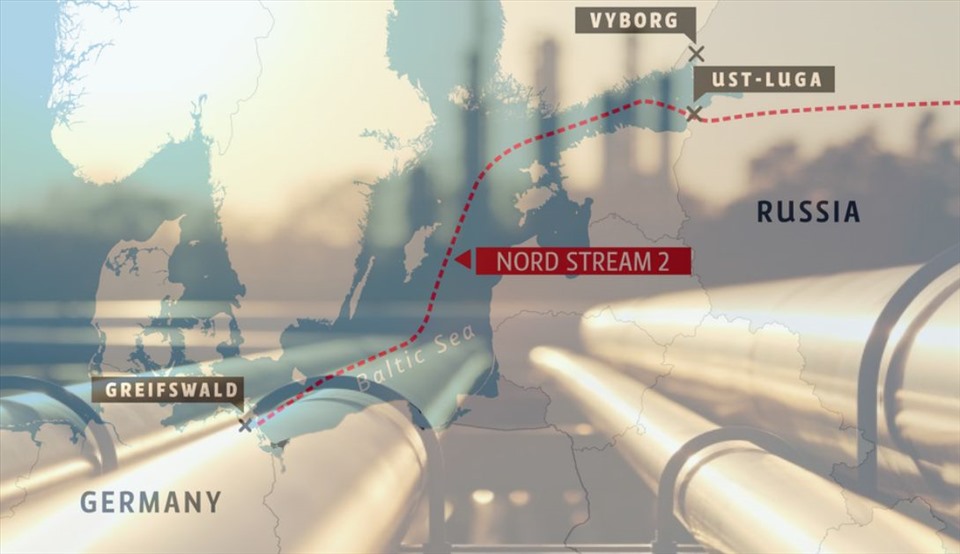
Sự chia rẽ một lần nữa được nhấn mạnh trong tuần này khi hai chính trị gia cấp cao của SPD đã cố gắng gạt Nord Stream 2 khỏi cuộc khủng hoảng Nga-Ukraina.
Bộ trưởng Quốc phòng Đức Christine Lambrecht nói rằng đường ống "không nên bị kéo vào cuộc xung đột này". Và Kevin Kühnert, Tổng thư ký SPD, cho biết các tranh chấp quốc tế đang được sử dụng một cách có chủ ý “để chôn vùi các dự án luôn là cái gai đối với một số người” - ám chỉ rõ ràng nhằm vào Đảng Xanh.
Trong khi đó, Ngoại trưởng Đức Baerbock nhiều lần đề cập đến một thỏa thuận giữa Mỹ và Đức vào tháng 7 năm ngoái mà theo đó Berlin sẽ áp đặt các biện pháp trừng phạt năng lượng đối với Mátxcơva “nếu Nga cố gắng sử dụng năng lượng như một vũ khí hoặc có thêm hành động chống lại Ukraina”.
Một số ý kiến cho rằng Mátxcơva đang vũ khí hóa hoạt động xuất khẩu khí đốt của mình. Fatih Birol, người đứng đầu Cơ quan Năng lượng Quốc tế (IEA), cho biết tuần trước rằng Nga đang cắt giảm nguồn cung cấp khí đốt cho Châu Âu vào thời điểm “căng thẳng địa chính trị gia tăng”. Ông cho biết phía Nga đang giữ lại ít nhất 1/3 lượng khí đốt mà họ có thể gửi đến Châu Âu, làm cạn kiệt các cơ sở lưu trữ mà họ kiểm soát trên lục địa này để tạo ấn tượng về nguồn cung khan hiếm.
Nga đã nhiều lần phủ nhận bất kỳ hành vi thao túng nguồn cung cấp nào. Đài truyền hình trung ương Nga dẫn lời Phó Thủ tướng Nga Alexander Novak cho biết hôm 15.1: “Cả Nga và nhà xuất khẩu chính của chúng tôi là Gazprom đều không liên quan gì đến việc này. Nga đã giao khí đốt nhiều hơn đáng kể cho các khách hàng như Đức và Thổ Nhĩ Kỳ vốn đã hết giới hạn trong hợp đồng".
Phó Thủ tướng Novak đổ lỗi cho “chính sách thiển cận của Liên minh Châu Âu và Ủy ban Châu Âu, trong nhiều năm đã cố tình không ký các hợp đồng dài hạn và chuyển ngành năng lượng của mình theo hướng giảm sự phụ thuộc vào Nga”.
Nhân tố Ukraina
Căng thẳng Nga - Ukraina là cuộc khủng hoảng lớn đầu tiên mà tân Thủ tướng Đức Olaf Scholz phải đối mặt trên cương vị mới. Trong các tuyên bố công khai, ông tỏ ra cực kỳ thận trọng, nhấn mạnh sự cần thiết phải giải quyết xung đột một cách hòa bình và cảnh báo chống lại bất kỳ nỗ lực nào nhằm thay đổi biên giới của Châu Âu bằng vũ lực. Nhưng ông cũng kiên quyết chống lại áp lực từ một số người trong chính quyền của Tổng thống Mỹ Joe Biden tuyên bố rằng Nord Stream 2 - đang chờ cơ quan quản lý Đức và Ủy ban Châu Âu phê duyệt - sẽ bị dừng nếu Nga đưa quân vào Ukraina.
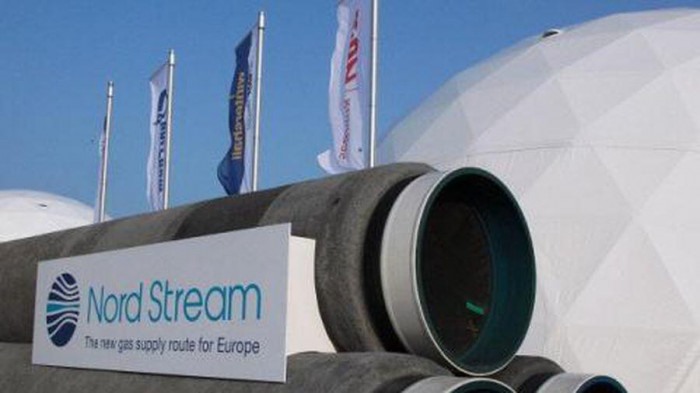
Ít nhất trước công chúng, ông Scholz tỏ ra cẩn trọng và tránh đe dọa áp đặt lệnh trừng phạt chống lại Nord Stream 2, liên tục nhấn mạnh rằng đó là “sáng kiến của khu vực tư nhân” và không liên quan gì đến cuộc khủng hoảng Ukraina.
Điều này đánh dấu một sự thay đổi tinh tế nhưng quan trọng so với đường lối mà cựu Thủ tướng Angela Merkel đã thông qua vào năm 2018. Bà Merkel hồi đó nói rằng Dòng chảy Phương Bắc 2 “không chỉ là một dự án kinh tế” và các yếu tố chính trị cũng phải được xem xét - đặc biệt là sự cần thiết phải duy trì vị thế của Ukraina là quốc gia trung chuyển khí đốt của Nga.
Tuy nhiên, không phải tất cả các thành viên Đảng Dân chủ Xã hội đều đồng ý với cách tiếp cận thận trọng của Thủ tướng Scholz. Michael Roth, cựu thứ trưởng ngoại giao hiện là người đứng đầu Ủy ban đối ngoại có ảnh hưởng của Bundestag, cho biết Berlin nên gửi một tín hiệu rõ ràng tới Mátxcơva rằng họ sẽ từ chối phê duyệt Nord Stream 2 trong trường hợp xảy ra xung đột ở Ukraina.