
Following trends
Items that are "causing a fever" on social networks often attract buyers thanks to new designs and details. However, chasing trends makes many people own items that can only be worn a few times and then put them in their closet because they are difficult to coordinate or quickly become outdated.
Instead, basic designs and neutral colors will be highly applicable and usable for a long time. Consumers can still update trends, but should consider their suitability for their physique and personal style before deciding to buy.
Choosing too many striking colors
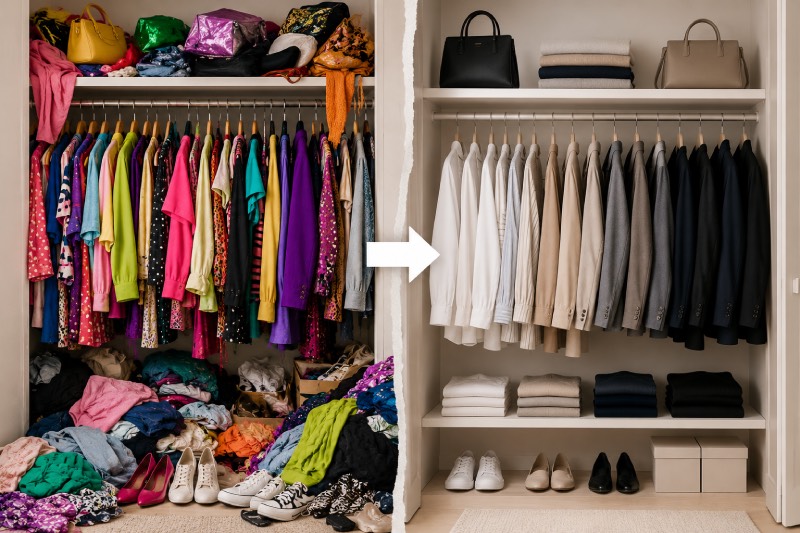
A fuchsia pink shirt or green pants can create accents, but if the wardrobe has too many striking colors, coordinating outfits every morning will become a "difficult problem".
Fashion experts recommend building a wardrobe from colors such as white, black, gray, beige or navy blue. These are easy-to-coordinate colors, helping to create many outfits from just a few items.
Greed for quantity, neglect of quality
Many people prioritize buying many cheap products instead of investing in items with good materials and shapes.
Poor quality clothes often fade quickly or lose shape after a few washes. Meanwhile, a shirt or trousers with good seams can be used for many years, helping to save costs in the long run.
Buy when you see a discount
Promotions always create a feeling of "buying at a bargain price", but many items are brought back just because they are cheap and not based on actual needs.
If a shirt still has the original stamp after many months, the savings from the discount period actually become wasteful costs.
Wear once and then put it away
The psychology of being reluctant to repeat outfits, especially when frequently sharing images on social networks, makes many people constantly buy new clothes. However, instead of changing the entire outfit, the wearer can refresh their appearance by combining accessories, changing hairstyles or choosing suitable shoes and bags.
In fact, style does not depend on how many sets of clothes you own, but on the ability to coordinate clothes. With just a few basic items, the wearer can still create many different looks if they know how to combine them flexibly. This is also a way to build a durable, economical wardrobe that is suitable for young people who are new to work.


