
After gold buying activity increased in Q2/2026, the market has not recorded signs that the accumulation trend of central banks will reverse. Conversely, more and more countries have announced plans to add gold to foreign exchange reserves.
South Korea is the latest country to participate in this trend. This is also the first time the Central Bank of Korea has bought gold since 2013. However, this agency chose a more cautious approach instead of conducting a large-scale transaction in a short time.
Mr. Jeong Hee-sup - head of the reserve management department of the Bank of Korea - said that this agency has begun to buy spot swap products associated with gold prices.
In parallel with investing in financial products related to gold, the Bank of Korea has established a framework to be able to buy domestically produced gold in the near future.
According to Mr. Jeong Hee-sup, geopolitical risks are becoming a constant factor in the global economic environment. This development is making gold increasingly of interest to central banks as a safe haven asset.
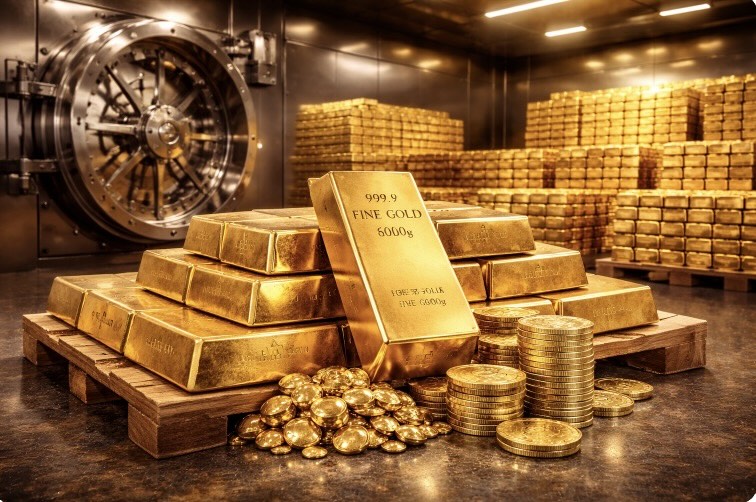
According to the framework just announced, the Bank of Korea will buy domestically produced gold through a cooperation mechanism between the Korean Exchange, the Korea Securities Depository and the precious metal manufacturer LS MnM.
Korea Zinc is also expected to become one of the gold suppliers meeting the program's standards.
LS MnM and Korea Zinc currently produce about 4-5 tons of gold per year, mainly for export activities. The Central Bank of Korea is expected to buy a part of this output when market conditions and reserve management requirements are appropriate.
Purchasing domestically produced gold can help the Bank of Korea diversify market approaches. Instead of completely relying on international transactions, this agency can take advantage of domestic supply to gradually increase the proportion of gold in reserves.
However, the gold buying plan will not be implemented massively. Mr. Jeong Hee-sup affirmed that the Central Bank of Korea has no intention of carrying out a large transaction in one go.
This agency will gradually increase its gold holdings based on medium and long-term reserve management needs. The scale and timing of purchases will depend on market conditions.
The new plan of the Bank of Korea is not entirely surprising, because this agency has signaled the possibility of adding gold to reserves in recent months.
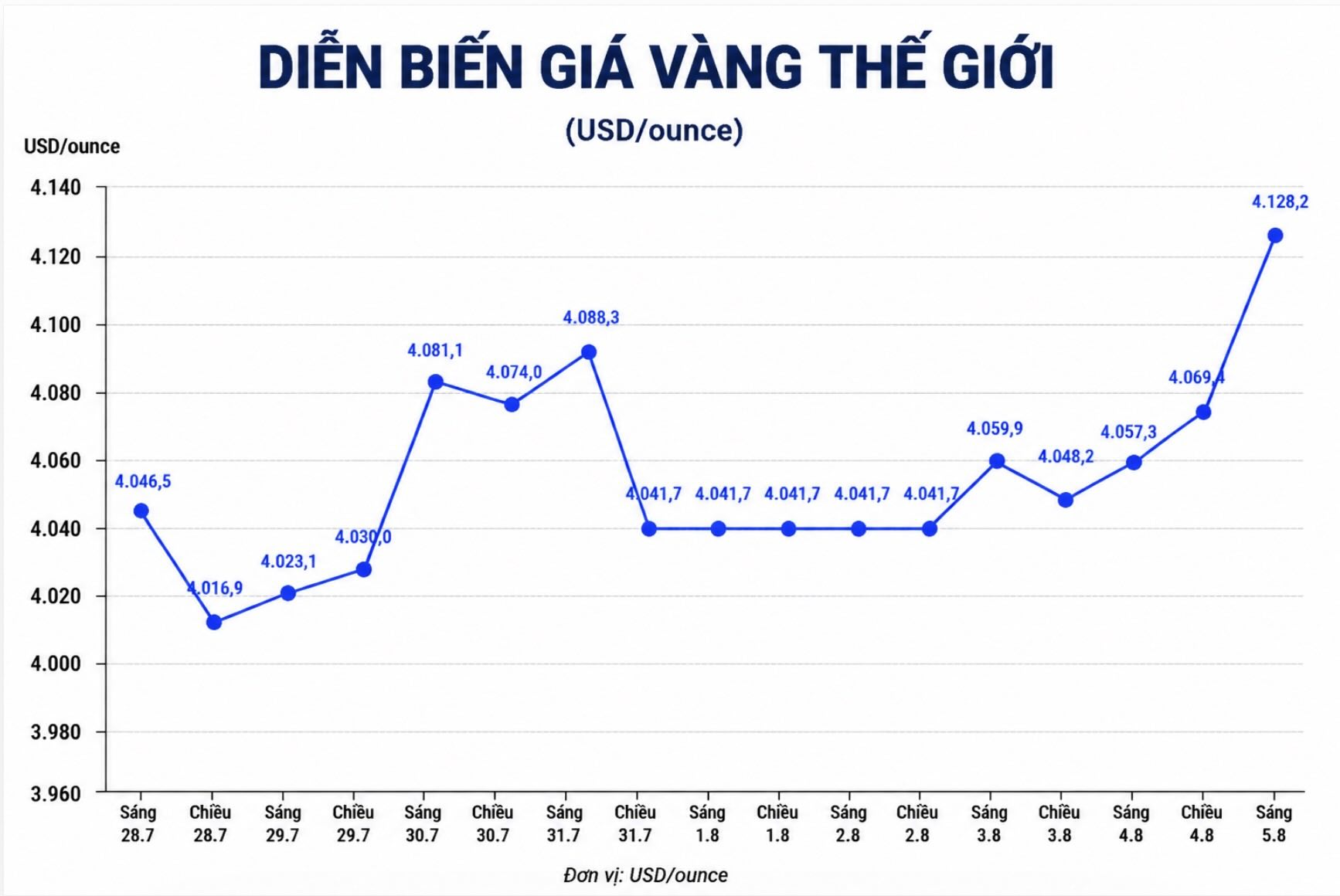
The decision of the Bank of Korea was made in the context of world gold prices rapidly recovering. Recorded at 10:30 am on August 5, world gold prices were listed around the threshold of 4,128.2 USD/ounce, up 1.26%.
In the other precious metals market, silver prices increased 2.08% to 60.64 USD/ounce; Platinum increased 1.27% to $1,750/ounce; while Palladium increased 1.05% to 1,343 USD/ounce.
The article only provides information about market developments, not investment recommendations. Investors need to be cautious about price fluctuations and avoid chasing buying psychology.


