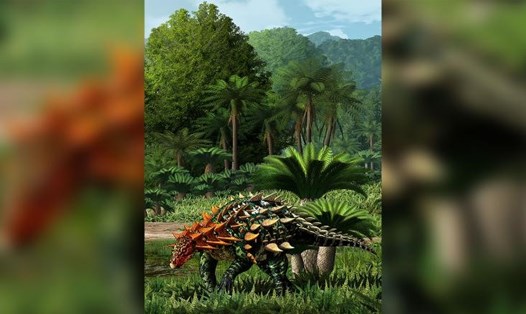
Dài gấp 8 lần cổ hươu cao cổ
Trong nghiên cứu công bố tuần này trên tạp chí Journal of Systematic Paleontology, các nhà nghiên cứu ước tính cổ của Mamenchisaurus dài đến 15,24m.
Cổ của Mamenchisaurus dài hơn cả một chiếc xe buýt trường học thông thường. Cổ của loài này được ước tính là dài nhất trong số các loài khủng long chân thằn lằn sauropod và có thể là loài có cổ dài nhất với một loài động vật sinh sống trên Trái đất.
Năm 1987, các nhà cổ sinh vật học phát hiện ra một phần bộ xương của khủng long sauropod nhô ra khỏi đá sa thạch đỏ của hệ tầng Shishugou ở tây bắc Trung Quốc.
Hóa thạch khủng long được phát hiện là những mảnh vỡ, bao gồm hàm dưới, một số mảnh hộp sọ và một vài đốt sống. Hóa thạch này cho thấy một loài động vật khổng lồ đã lao qua khu vực bằng phẳng lầy lội trong 162 triệu năm trước cùng với loài khủng long bạo chúa nguyên thủy.
Loài khủng long này được đặt tên là Mamenchisaurus sinocanadorum và có liên kết với một số loài khủng long cổ dài khác từ Đông Á.
Tuy nhiên, kích thước thật của Mamenchisaurus vẫn còn là bí ẩn. Việc không tìm được hóa thạch nào khác của loài khủng long này khiến các nhà khoa học chỉ có vài đốt sống để kiểm tra.
Tiến sĩ Andrew Moore - nhà cổ sinh vật học tại Đại học Stony Brook của Mỹ, người nghiên cứu về giải phẫu các loài sauropod - cho biết: “Điều đặc biệt thú vị và khó chịu về việc giải phẫu các loài sauropod là đôi khi, những chiếc cổ dài nhất lại thuộc về những thứ ít được biết đến nhất trong dữ liệu hóa thạch vì lý do đơn giản là rất khó để chôn vùi một thứ lớn như vậy”.
Vì vậy, tiến sĩ Moore đã tìm đến hóa thạch của một số loài họ hàng của Mamenchisaurus, đặc biệt là Xinjiangtitan, một loài sauropod cổ hơn một chút được phát hiện ở khu vực tây bắc Trung Quốc năm 2013.
Đáng chú ý, các nhà nghiên cứu đã khai quật được toàn bộ cột sống của loài Xinjiangtitan. Với chiều dài gần 13,41m, nó được coi là chiếc cổ dài và hoàn chỉnh nhất trong dữ liệu hóa thạch.
“Sử dụng những mẫu vật này, chúng tôi có thể mở rộng quy mô và đưa ra ước tính khá chính xác về hình dạng của loài Mamenchisaurus” - tiến sĩ Moore nói.
Sau khi so sánh Mamenchisaurus và Xinjiangtitan, tiến sĩ Moore và cộng sự kết luận, Mamenchisaurus có cổ dài tới 15,24m. Chiếc cổ sẽ chiếm khoảng một nửa tổng chiều dài ước tính của cơ thể và tương đương với hơn 8 chiếc cổ của loài hươu cao cổ xếp chồng lên nhau.
Cấu trúc cổ đặc biệt
Để xác định cách Mamenchisaurus điều khiển một chiếc cổ dài như vậy, tiến sĩ Moore và đồng nghiệp đã sử dụng máy chụp CT để phân tích đốt sống của chúng.
Thay vì tủy và mô, bên trong đốt sống của loài khủng long này chứa đầy các túi khí lớn giống như ở cò và thiên nga. Những túi khí này chiếm tới 77% thể tích mỗi xương, làm giảm đáng kể trọng lượng cột sống của Mamenchisaurus.
Tiến sĩ Cary Woodruff - nhà cổ sinh vật học tại Bảo tàng Khoa học Frost ở Miami (Mỹ), người chuyên nghiên cứu về loài khủng long chân thằn lằn - cho biết, việc giảm tải trọng lượng cho cổ là điều cần thiết với tất cả loài sauropod.
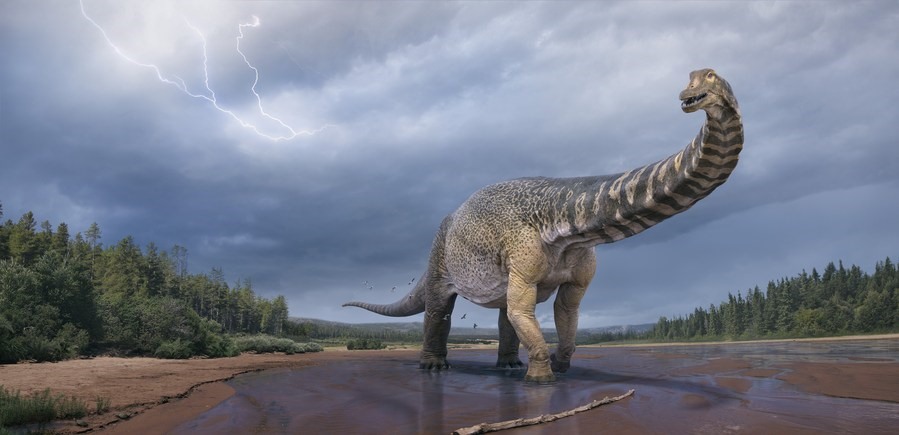
“Một chiếc cổ dài như vậy mang trọng lượng lớn mà bạn không muốn có trên cơ thể mình” - tiến sĩ Woodruff chia sẻ.
Mặc dù các đốt sống của nó rỗng nhưng cổ của Mamenchisaurus không hề yếu ớt. Trong quá trình khai quật, các nhà cổ sinh vật học ban đầu đã phát hiện ra một thanh mô xương hóa thạch dài vài mét.
Đây có thể là một phần mở rộng của đốt sống, thường được gọi là xương sườn cổ, chạy dọc theo chiều dài của cổ, nâng đỡ các xương nhẹ. Dù điều này làm giảm tính linh hoạt của cổ, những xương sườn này giúp giữ cho cấu trúc của cổ ổn định hơn.
“Mặc dù cổ của loài khủng long này có rất nhiều xương, nhưng nó không thể tự cuộn tròn lại giống như một con rắn. Về cơ bản, nó giống như một cây gậy" - tiến sĩ Woodruff nói thêm.
Với cột sống được gia cố chắc chắn, rất có thể Mamenchisaurus giữ cổ nằm ngang ở một góc tương đối nông so với mặt đất. Nhưng vì cổ dài nên nó vẫn hái được lá trên ngọn cây.