
Princess Elisabeth, trạm nghiên cứu Nam Cực ở Queen Maud Land, đã phải đối mặt với tốc độ gió lên tới 249km/h và nhiệt độ xuống thấp còn âm 50 độ C.
Điều này đồng nghĩa với việc các đầu bếp cần có tay nghề cao và sự tinh tế để có thể nấu những bữa ăn phù hợp trong môi trường khắc nghiệt này.
Đầu bếp Thomas Duconseille ở trạm nghiên cứu Princess Elisabeth nói: “Vì mọi người làm việc ở ngoài trời trong điều kiện nhiệt độ cực lạnh nên tôi muốn làm món gì đó nóng hổi, chẳng hạn như nước sốt nóng hay pho mai nướng Raclette… và nhiều món khác nữa”.
Khi có một nhóm các nhà khoa học sống cách thành phố gần nhất 5.000km và cách nhà ít nhất 16.000km, phô mai nướng sẽ cùng “hành quân” trên chặng đường dài - việc nấu ăn trong điều kiện này là một thách thức vô cùng độc đáo.
7 mùa ở Nam Cực
Trạm nghiên cứu Princess Elisabeth nằm trên sườn núi Utsteinen Nunatak. Bên ngoài cửa sổ phòng làm việc của Duconseille là những ngọn núi đá granit và những vùng đất thấp trắng xoá điểm xuyết trạm thí nghiệm và tuabin gió ẩn mình trong mưa tuyết.
Trong những tháng mùa hè từ tháng 11 đến tháng 2, các nhà khoa học từ Bỉ, Pháp, Đức, Thổ Nhĩ Kỳ, Ấn Độ và Mỹ sẽ nghiên cứu tới 200km núi, bờ biển, sông băng và cao nguyên Nam Cực xung quanh để tiến hành xây dựng các chiến lược giải quyết vấn đề biến đổi khí hậu. Một số ở lại trong vài tuần, còn một số khác có thể ở lại hết mùa hè.
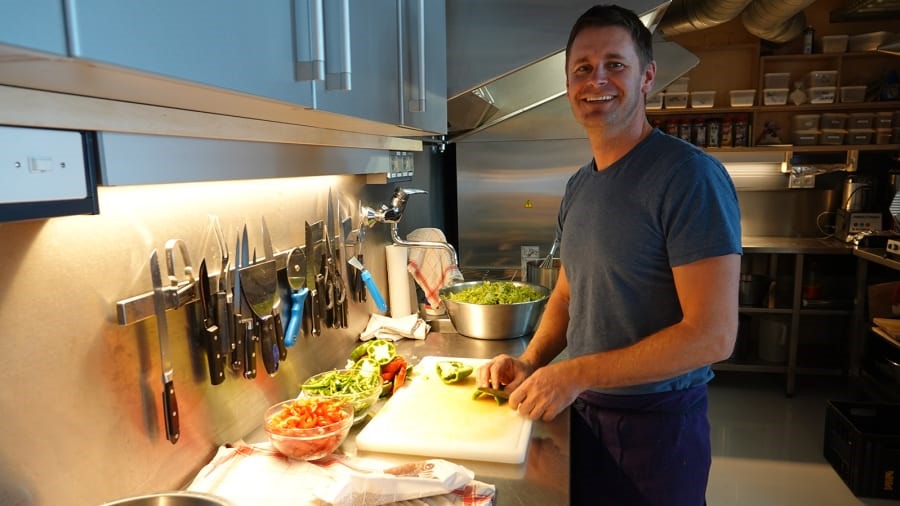
Duconseille, đầu bếp thường trú tại Princess Elisabeth, đã ở đó trong vòng 4 tháng. Năm nay là mùa thứ 7 Duconseille gắn bó với cuộc sống nơi này.
Thật khó tin khi bên trong trạm nghiên cứu Princess Elisabeth lại có lò bánh mì hoa cúc Brioche.
“Chúng tôi tự chuẩn bị bánh mì và nấu ở đây. Giữ được độ tươi ngon của bánh mì là rất quan trọng và tôi thích làm Brioche nhân socola cho bữa sáng” - Duconseille nói.
Là một người Pháp, bánh mì tươi chính là hương vị, lối sống của Duconseille tại Nam Cực cũng như khi trở về nhà ở Normandy, hoặc ở dãy Alps.
Những thách thức về thực phẩm tươi sống ở xứ sở xa xôi
Để di chuyển tới Princess Elisabeth sẽ phải bay từ Cape Town (Nam Phi) trên một chiếc máy bay DC-3, loại máy bay chuyên vận chuyển hàng hoá và phù hợp để vận hành trên đường băng băng giá. Chuyến bay sẽ mất hơn 6 giờ và sau đó sẽ mất 90 phút để đi từ đường băng đến trạm.
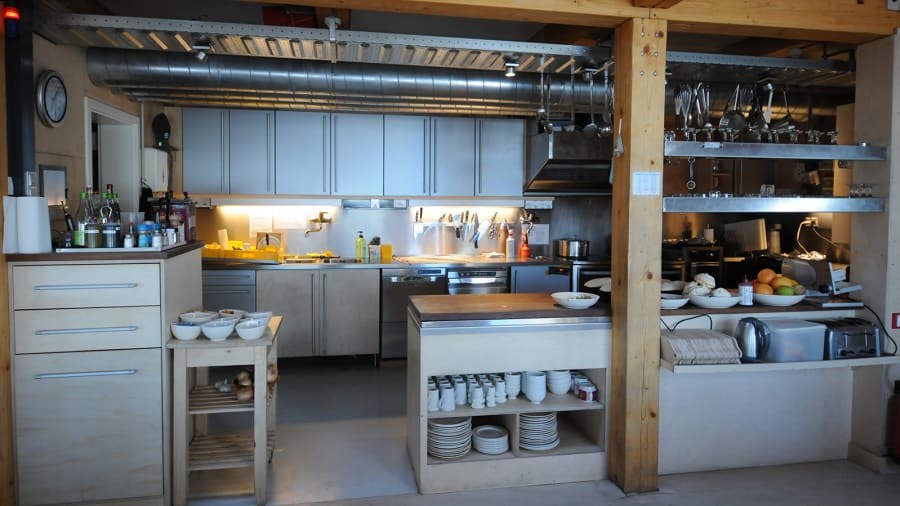
Thực phẩm tươi sống bao gồm rau và sữa cũng được vận chuyển bằng DC-3 và hành trình này được lặp lại hàng tháng (nếu điều kiện thời tiết cho phép).
Cung cấp và lưu trữ thực phẩm
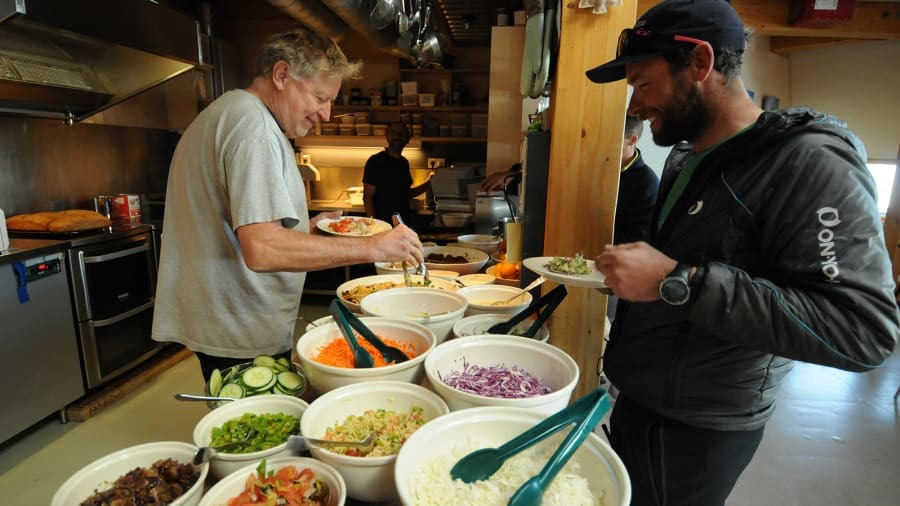
Những bữa ăn mà Duconseille chuẩn bị ở Princess Elisabeth khá đa dạng, gồm có súp, thịt, pizza, salad và các món tráng miệng. Duconseille nói: “Mỗi người sẽ có lựa chọn ăn khác nhau như ăn chay hoặc thuần chay - vì vậy, tôi cũng điều chỉnh thực đơn sao cho phù hợp với từng người”.
Với những dịp đặc biệt, chẳng hạn như Giáng sinh và năm mới, Duconseille sẽ chuẩn bị các món gồm gan ngỗng, gà tây nhồi và kẹo dẻo đá.
“Là một thực khách, tôi có thể nói cảm giác ấy giống như đang ở trong một nhà hàng. Thật tuyệt vời, đó là một bữa tối thịnh soạn” - nhà khoa học Robert nói.
Duconseille cho biết: “Từ Bỉ, chúng tôi chất đầy các container một lượng lớn thực phẩm khô cũng như đông lạnh và cứ liên tiếp hai năm một lần, một con tàu lại đến và cung cấp cho chúng tôi những nguyên liệu này".
Tại trạm nghiên cứu, thực phẩm được cất giữ ở tầng dưới, nơi có một căn phòng lớn với giá để thực phẩm khô, tủ đông có kích thước bằng container và một tủ lạnh nhỏ hơn.
Duconseille cho biết: “Những chuyến đi thực tế này có thể kéo dài từ hai đến ba tuần và cần bốn đến sáu nhân lực. Với điều này, tôi cần ước tính các bữa ăn mà họ sẽ cần khi rời khỏi trạm.
Mỗi khi tôi nấu một bữa ăn số lượng lớn, tôi làm đông lạnh các phần ăn để các nhà nghiên cứu có thể lấy chúng, rã đông và thưởng thức mà không cần lãng phí thời gian quý báu tại trạm”.
Thực phẩm và tinh thần được hoà quyện
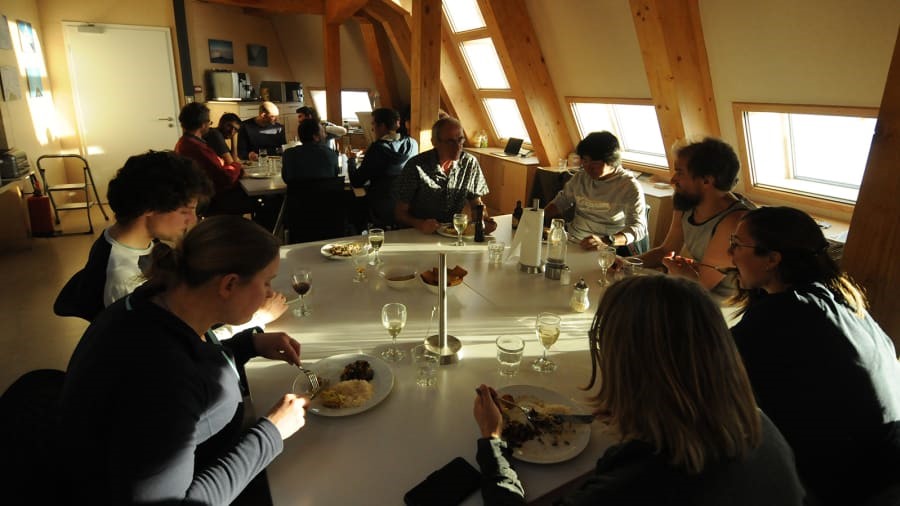
“Ở Nam Cực, thức ăn rất quan trọng đối với tinh thần của mọi người, và trên hết là đảm bảo mọi người được vui vẻ quây quần bên nhau sau một ngày dài làm việc. Tôi thích làm những món tráng miệng và bánh ngọt để tiếp thêm năng lượng cho họ” - Duconseille nói.
Đầu bếp Duconseille đã dành thời gian để mang lại niềm vui cho cả đoàn bằng cách tạo ra những chiếc bánh ngọt và phô mai nóng chảy, vậy điều gì mang lại niềm vui cho anh?
“Những ngày đầu xa gia đình thật khó khăn. Nhưng điều an ủi tôi chính là được ở trong môi trường này, nơi tôi có thể tập trung vào công việc và bị quyến rũ bởi khung cảnh tuyệt đẹp xung quanh. Cuộc sống thật thú vị, luôn có điều gì đó xảy ra”.
Duconseille nói: “Vào cuối mùa hè, chúng tôi rất vui khi được trở về nhà, nhưng đó là một cảm giác lẫn lộn: chúng tôi rất buồn khi phải rời Nam Cực. “Đó là một cuộc sống độc đáo mà chúng tôi từng trải”.


