
Mùi của lịch sử
Những dự án nghiên cứu mới đang nỗ lực để tìm hiểu mùi của quá khứ và xác định mùi hương đương đại nào nên được lưu giữ cho hậu thế.
Thách thức của việc tìm kiếm mùi hương trong quá khứ là làm thế nào để nắm bắt được một hiện tượng không lâu bền. Các nhà khảo cổ học thường tìm kiếm và nghiên cứu những thứ chúng ta có thể chạm vào - những hiện vật mà chúng ta bắt gặp trong viện bảo tàng.
Những hợp chất tạo mùi có bản chất dễ bay hơi - một khi nguồn tạo mùi không còn, chúng cũng biến mất. Hầu hết các mùi bắt nguồn từ vật liệu sinh học - thực vật, thực phẩm, cơ thể người và động vật - phân hủy nhanh chóng, Barbara Huber - tiến sĩ nghiên cứu khảo cổ học tại Max Planck Institute of Geoanthropology ở Jena, Đức - giải thích.
Trước những thách thức này, vẫn có một số phương pháp phân tử sinh học mới và mạnh mẽ giúp các nhà khoa học giải mã các mùi hương cổ xưa.
Chìa khóa để làm sáng tỏ mùi hương của quá khứ thường không thể nhìn thấy bằng mắt thường, theo CNN.
Các nhà khoa học có thể nghiên cứu dư lượng phân tử sinh học không thể nhận thấy còn sót lại ở lư hương, chai nước hoa, nồi nấu và lọ đựng thực phẩm bằng các kỹ thuật như sắc ký (chromatography) - kỹ thuật tách các thành phần trong một hỗn hợp và phương pháp khối phổ (mass spectrometry) - kỹ thuật phát hiện các hợp chất khác nhau bằng cách tính toán trọng lượng của các phân tử khác nhau.
Theo bà Huber, các phân tử sinh học chứa nhiều thông tin nhất bao gồm các lipid - chất béo, sáp và dầu - không hòa tan trong nước. Chúng thường được tìm thấy trong đồ gốm xốp, sau khi được sử dụng trong các vật dụng như nhiên liệu đèn hoặc thuốc mỡ thơm từng dùng để bôi lên cơ thể hoặc trên xác chết. Lipid cũng được tìm thấy trong phân.
Huber cũng nghiên cứu các chất chuyển hóa thứ cấp, những hợp chất hữu cơ do thực vật tạo ra và được các sản phẩm từ thực vật được sử dụng trong quá khứ lưu lại, bao gồm nhựa resin, gỗ thơm, thảo mộc, trái cây và gia vị. Những hợp chất có thể tiết lộ các thành phần và mùi hương của nhang, thuốc và thực phẩm.
Giải trình tự ADN cổ đại và proteomics - nghiên cứu quy mô lớn về protein cổ đại - được tìm thấy được bảo quản trong những thứ như mảng bám răng bị vôi hóa, đã phát hiện ra các axit amin báo hiệu những tình trạng như bệnh nha chu - liên quan đến hơi thở có mùi.
Tuy nhiên, như nghiên cứu của Huber chỉ ra, việc thu thập những manh mối khứu giác này thường chỉ là bước khởi đầu.
Tái tạo mùi hương
Trong nghiên cứu, bà Huber đã nghiên cứu những chiếc lư hương được tìm thấy ở di chỉ khảo cổ Tayma - khu định cư lâu đời nhất của Saudi Arabia có niên đại 5.000 năm - nhằm thử và tái tạo mùi hương.
Bà phát hiện ra các chất chuyển hóa thứ cấp cho thấy việc sử dụng các loại nhựa thơm có chứa nhũ hương, mộc dược và hồ trăn trong các tòa nhà riêng, những ngôi mộ và đền thờ.
Bà Huber sau đó làm việc với một chuyên gia nước hoa để thử và tái tạo các mùi hương, tiết lộ những nơi này hàng nghìn năm trước có thể có mùi như thế nào.
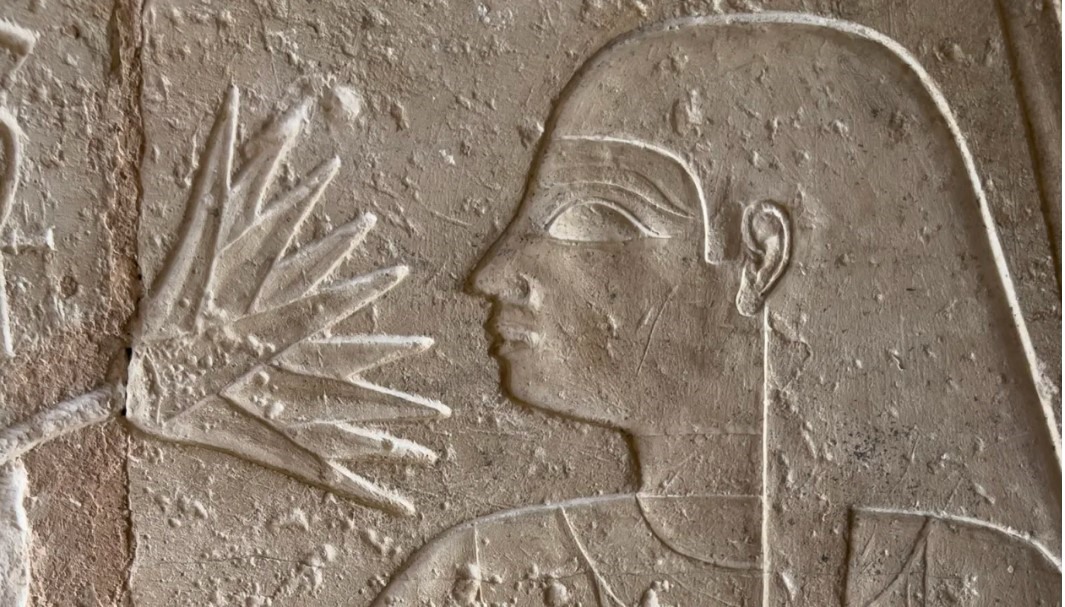
Sean Coughlin - nhà nghiên cứu về tư tưởng cổ đại và trung cổ tại Viện Hàn lâm Khoa học Czech - đang tìm cách tái tạo các loại nước hoa mà Nữ hoàng Ai Cập Cleopatra từng sử dụng, dựa trên các công thức được ghi lại trong những văn bản Ai Cập cổ đại và từ những dòng chữ khắc trên tường đền thờ.
"Thông thường, khi bạn làm theo công thức, bạn sẽ biết mình nhận được những gì. Khi bạn tái tạo một công thức lịch sử, bạn không có mục tiêu. Những gì chúng tôi thực sự đang thử làm là sử dụng hóa học hữu cơ để lần ra manh mối gì đó về quy trình, bởi vì chúng tôi nghĩ rằng quy trình thực sự là thứ sẽ xác định phạm vi của các mùi hương khả dĩ" - ông Coughlin nói.
Ông Coughlin ví các thí nghiệm của mình như thử nghiệm trong chương trình nấu ăn “America’s Test Kitchen”. Dù kết quả chưa được như mong muốn, ông cũng nhận thấy có những tiến bộ.
Ông Coughlin cho biết, hầu hết các loại nước hoa ngày nay đều sử dụng ethanol làm chất nền, dù một số mùi hương tự nhiên tinh tế vẫn cần dùng dầu hoặc chất béo.
Dù vậy, các nhà hóa học ngày nay vẫn biết ơn những nhà chế tạo nước hoa cổ xưa. Họ đã đi tiên phong trong nhiều kỹ thuật vẫn được sử dụng trong khoa học hiện đại, như chưng cất và phương pháp phân đoạn chất lỏng.


