
Trong những năm qua, Ai Cập đã cung cấp một số kho báu khảo cổ học được đánh giá cao và hứa hẹn nhất. Các cuộc khai quật khảo cổ ở quốc gia Bắc Phi này bắt đầu vào giữa những năm 1880, khi William Matthew Flinders Petrie - nhà Ai Cập học người Anh thường được gọi là "cha đẻ của ngành khảo cổ học Ai Cập" - bắt đầu công việc của mình. Các nhà khảo cổ học và các nhà nghiên cứu đã đổ xô đến đất nước này, đào bới và phân tích từng cm2 những khu vực được cho là lưu giữ bí mật về quá khứ.

Khó có thể tin rằng trong hơn 100 năm khai quật và cướp bóc vẫn còn nhiều bí ẩn được phát hiện ở Ai Cập. Vô số đồ tạo tác cổ đại vẫn tiếp tục được tìm thấy hàng năm.
Một khối lượng lớn đồ tạo tác của một ngôi mộ chưa được phát hiện trước đây đã được khám phá trong bộ phim tài liệu "Thợ săn mộ" (Tomb Hunters) của Kênh Smithsonian.
Tại đây, các thợ săn mộ đã đồng hành cùng các nhà khảo cổ học ở nghĩa trang Saqqara - nơi cất giữ các bức tượng và các di vật khác.
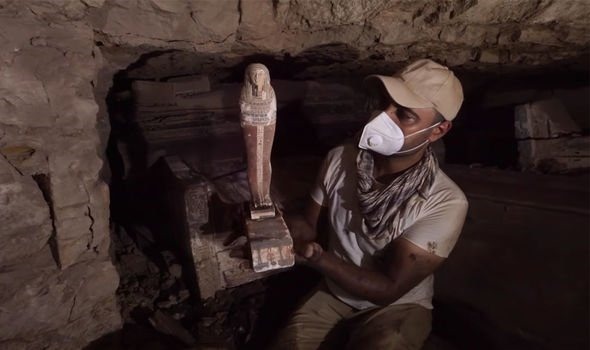
Nhiều "bảo vật quý giá" được tìm thấy đã chứng minh rằng những người được chôn cất trong lăng mộ Ai Cập là những người "trên mức trung bình" thời bấy giờ - nhiều món đồ được cho là có tuổi đời lên tới 2.500 năm.
Một bức tượng, một lá bùa hộ mệnh được cho là bảo vệ linh hồn của người chết, có khuôn mặt mạ vàng được bảo quản hoàn hảo.
Những bức tượng lẽ ra sẽ được chôn cùng với người chết như vật kỷ niệm và biểu tượng của sự may mắn trong cuộc hành trình sang thế giới bên kia.
"Những kho báu đắt giá này tiết lộ cách thức những người Ai Cập giàu có chôn cất người chết bắt đầu thay đổi như thế nào trong thời kỳ cuối - nó trở nên thương mại hóa nhiều hơn" - phim tài liệu tiết lộ.
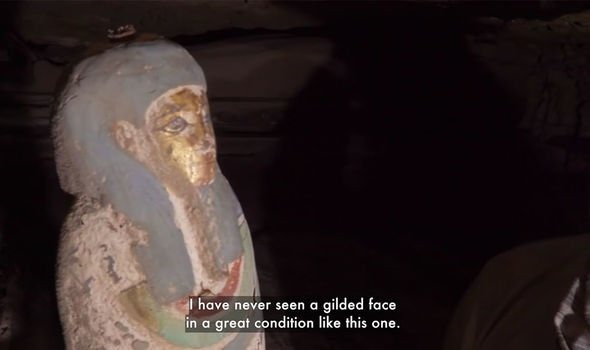
Người Ai Cập cổ đại vô cùng lo lắng về kiếp sau, chăm chỉ đọc cuốn "Sách của người chết" để biết các mẹo và lời khuyên, đồng thời làm bất cứ điều gì có thể cho những người thân vừa qua đời của họ.
Tiến sĩ Mohammad Youssef, người phụ trách địa điểm khai quật, cho biết: “Hoạt động ướp xác và chôn cất trước hết mang tính tôn giáo tâm linh, sau đó mang tính kinh doanh. Vì vậy, nhiều người đã tham gia hoạt động này: Những người thợ mộc, những người ở chợ, những người làm tượng, những thầy tu, những người lính canh, những người lo việc ướp xác. Tất cả đều tham gia vào ngành công nghiệp chết chóc".
Nhóm nghiên cứu tham gia khai quật đã tiến sâu hơn vào lăng mộ với hy vọng tìm thấy nhiều hơn nữa. Họ nhanh chóng tìm thấy những chiếc quan tài được chất chồng lên nhau, nép mình vào mọi khoảng trống có sẵn dưới lòng đất. Từ một chiếc quan tài đã trở thành một ngôi mộ lớn với hơn 100 chiếc quan tài.
Katharina Stövesand, một nhà Ai Cập học, cho biết: "Những chiếc quan tài này cho thấy Saqqara là quê hương của một ngành công nghiệp tang lễ khổng lồ, nơi những người chết là khách hàng. Saqqara có một ngành công nghiệp chết chóc khổng lồ và thực sự là ngành công nghiệp béo bở.
Chúng tôi biết rằng họ đã có nhân sự để bán chỗ chôn cất trong lăng mộ. Chúng tôi biết rằng họ đã bán đồ để làm xác ướp, chúng tôi biết rằng có các linh mục tham gia vào các nghi lễ - tất cả những điều này đều tốn rất nhiều tiền".
Siêu lăng mộ nhanh chóng được xác lập là nơi tập trung quan tài lớn nhất từng được khai quật ở Ai Cập, lớn gấp ba lần so với bất cứ thứ gì được tìm thấy trước đây.


